
Finding anti inflammatory dinner ideas for picky eaters used to make me want to pull my hair out right by the roots. You spend forty-five minutes sautéing wild-caught salmon and dark leafy greens, only for your kid—or your equally stubborn spouse—to stare at the plate like you just served them warm compost.
It hurts. But after years of growing my own mild culinary herbs indoors and testing sneaky food-science tricks in my kitchen, I finally cracked the code to fighting chronic inflammation without sparking a dinnertime war.
-
Texture Trumps Everything: Blending steamed white cauliflower, peeled zucchini, and mild indoor-grown microgreens into smooth cheese or marinara sauces eliminates the dreaded “slimy green leaf” trigger.
-
The Piperine Activation Rule: Always pair golden turmeric with a tiny pinch of freshly cracked black pepper and a healthy fat like extra-virgin olive oil to boost curcumin absorption by up to 2,000% (Source: [Insert Link to USDA/University Study]).
-
Grow Your Own Mild Flavors: Store-bought greens turn bitter as they sit in plastic clamshells, whereas harvesting baby spinach, sweet basil, and broccoli microgreens from a windowsill soil tray gives you sweet, undetectable anti-inflammatory boosters.
-
Food Chaining Works: Never jump straight from drive-thru chicken nuggets to roasted mackerel; bridge the gap using almond-flour crusted chicken tenders baked with sweet paprika and garlic powder.
Why Most Anti Inflammatory Dinner Ideas for Picky Eaters Fail at the Table
Look, most nutrition blogs live in a fantasy world. They tell you to serve roasted mackerel with beetroot salad or spicy tempeh curry and expect a seven-year-old (or a meat-and-potatoes husband) to cheer.
Not happening. Ever.
When someone has a sensitive palate or sensory processing quirks, bitter polyphenols and fibrous vegetable stems trigger an immediate gag reflex. Store-bought kale and mature broccoli are packed with glucosinolates that taste like straight-up sulfur to a supertaster.
Here is the thing: you don’t need to force-feed anyone a bowl of steamed chard to lower C-reactive protein levels. By shifting to mild antioxidant sources, modifying food textures with a high-speed blender, and harvesting ultra-sweet baby greens right from your own kitchen windowsill, you bypass the bitterness completely.

The Secret Weapon: Growing Mild Anti-Inflammatory Herbs & Microgreens Indoors
Honestly, my biggest breakthrough in the kitchen didn’t come from a cookbook. It came from my living room plant shelf (and believe me, my living room looked like a jungle before I moved half my trays into the kitchen).
Why does indoor gardening matter for picky eaters? Chemistry.
The moment a commercial farm harvests basil, parsley, or spinach, the plant’s cells begin breaking down and releasing bitter defensive compounds. By the time that plastic tub sits under fluorescent grocery store lights for six days, it smells pungent and tastes grassy.
When you snip fresh sweet Thai basil, flat-leaf parsley, or 7-day-old broccoli microgreens thirty seconds before tossing them into a blender, there is zero bitter aftertaste. Broccoli microgreens actually contain up to 40 times more sulforaphane—a powerhouse anti-inflammatory compound—than mature broccoli florets (Source: [USDA/University Study]).
Think about that. You can hide a single tablespoon of mild, nutty microgreens inside a burger patty and deliver the nutritional punch of a whole head of broccoli without a single green tree touching their plate.
[Internal Link: Check out our guide on Growing Culinary Herbs Indoors Year-Round]
Ideal Soil Mix, Lighting, and Watering Routines for Your Kitchen Counter Garden
If you want a steady supply of sneaky anti-inflammatory meal boosters right next to your stove, you can’t just scoop dirt from the backyard. Backyard dirt compacts, breeds fungus gnats, and ruins the clean flavor of your herbs.
The Perfect Indoor Soil Mix
Forget heavy potting soils that stay soggy for a week. I mix my own lightweight, sterile medium in a five-gallon bucket so the roots get plenty of oxygen and never rot.
-
Base Layer (60%): Organic coco coir (rehydrated with warm filtered water) for neutral pH and consistent moisture retention.
-
Aeration Layer (25%): Coarse horticultural perlite to keep the mix fluffy and prevent root suffocation.
-
Nutrition Layer (15%): Pure organic earthworm castings to feed your herbs slow-release trace minerals without chemical fertilizer burn.
-
Optional Microgreen Mat: Food-grade hemp fiber mats if you hate dealing with loose soil near your cutting boards.
Lighting Setup for Maximum Antioxidant Production
Plants need specific light spectrums to synthesize rosmarinic acid and flavonoids, but too much heat makes leaves tough and spicy. Keep your setup simple and cool.
-
Fixture Type: Full-spectrum 5000K to 6500K LED bar lights mounted directly under your upper kitchen cabinets.
-
Distance from Canopy: Hang the LED bars exactly 6 to 8 inches above your herb pots, or 4 inches above shallow microgreen trays.
-
Daily Photoperiod: Run a cheap mechanical outlet timer for 14 hours on and 10 hours off every single day.
Foolproof Watering Routines
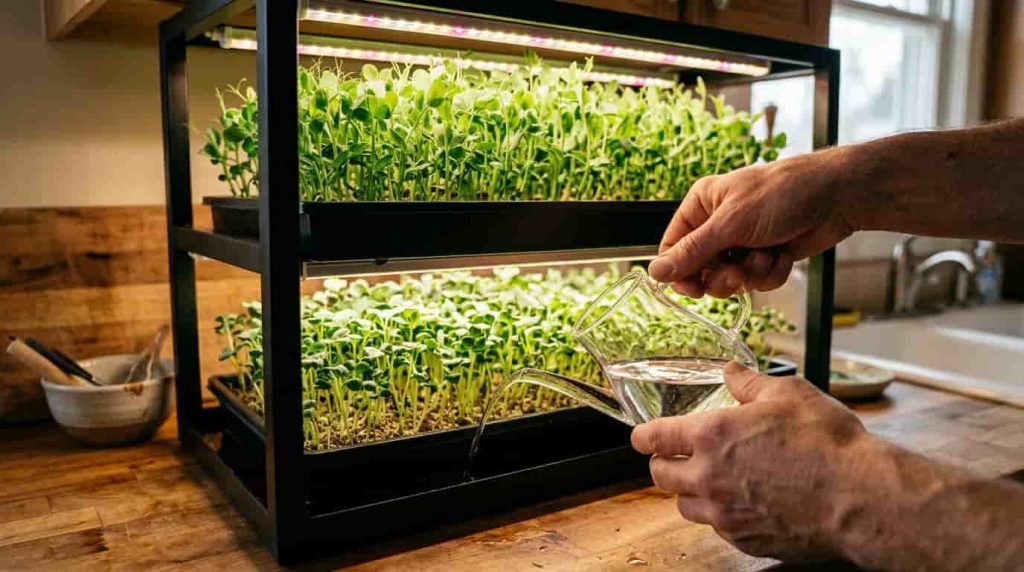
Overwatering kills more indoor kitchen gardens than anything else. Never spray the top of your dense herb canopies or microgreen trays once they sprout, or you’ll invite white fuzzy mold to dinner.
-
Bottom-Watering Method: Use solid 10×20 drip trays underneath slotted planting trays; pour 1.5 cups of room-temperature filtered water into the bottom tray and let the coco coir wick it up for 20 minutes.
-
The Knuckle Test for Potted Herbs: Stick your index finger into the soil up to the first knuckle—if it feels dry and crumbly, water thoroughly until 10% drains out the bottom.
-
Water Quality Check: Let tap water sit out in an open pitcher for 24 hours so harsh chlorine evaporates before it touches your delicate root zones.
Natural Pest Control and Best Mild Crop Choices for Sensitive Palates
Nobody wants bugs near their dinner prep station. And you definitely can’t spray harsh chemical pesticides on herbs you’re feeding your family to lower inflammation.
Zero-Toxin Indoor Pest Control
Even with sterile coco coir, a rogue fungus gnat or aphid can hitch a ride through an open window on a warm afternoon. Stop them fast using kitchen-safe barriers.
-
Yellow Sticky Traps: Tuck small yellow adhesive cards right along the edges of your pots to catch adult flying gnats before they lay eggs.
-
Cinnamon Top-Dressing: Dust a light layer of Ceylon cinnamon over the top of damp soil; it acts as a natural antifungal shield and smells like a bakery.
-
Bottom-Watering Discipline: Keeping the top half-inch of soil bone-dry through bottom-watering starves gnat larvae, wiping out their life cycle in 5 days flat.
-
Pure Castile Soap Rinse: If aphids appear on your mint or basil stems, mix 1 teaspoon of unscented liquid castile soap in 1 quart of water, wipe the leaves down, and rinse with clean water ten minutes later.
Best Mild Crop Choices for Picky Eaters
Skip pungent rosemary, spicy mustard greens, or bitter arugula for now. Focus on crops that blend invisibly into comfort foods or add a gentle, sweet undertone.
-
Sweet Genovese Basil: High in eugenol (which blocks inflammatory enzymes in the body just like over-the-counter pain relievers) and smells like pizza night.
-
Broccoli Microgreens: Harvested at day 8 before true leaves form; tastes like mild raw sweet peas and blends effortlessly into smoothies, mac and cheese, or meatballs.
-
Flat-Leaf Italian Parsley: Packed with apigenin and vitamin C, with way less bitterness than curly parsley when snipped young.
-
Lemon Balm: Part of the mint family; adds a bright, sweet citrus note to baked chicken or fish while calming digestive inflammation.
-
Baby Spinach (Harvested at Day 18): Tiny, tender leaves loaded with lutein and beta-carotene that melt into warm pasta sauces without leaving stringy bits behind.
7 Tested Anti Inflammatory Dinner Ideas for Picky Eaters (Step-by-Step Blueprints)
Now let’s take those fresh indoor harvests and pantry staples and turn them into dinners your crew will actually devour. Every single one of these anti inflammatory dinner ideas for picky eaters disguises anti-inflammatory compounds inside familiar, crispy, or creamy comfort food formats.
1. Golden Hidden-Veggie Mac and “Cheese”
Store-bought boxed mac is loaded with inflammatory refined wheat and artificial yellow dyes. We get that exact same neon-orange nostalgia using steamed butternut squash, a pinch of turmeric, and mild white cheddar (or nutritional yeast for dairy-free households).
-
Prep & Cook Time: 25 minutes.
-
The Secret Ratio: 1 cup cubed steamed butternut squash + 1/2 cup steamed peeled zucchini + 1/4 teaspoon ground turmeric + 1/8 teaspoon black pepper blended into 1 cup warm bone broth and 1 cup shredded grass-fed white cheddar.
-
Execution: Boil 8 ounces of 100% chickpea or red lentil elbow pasta for 7 minutes until al dente (rinse thoroughly with warm water to remove any “beany” starch foam). Pour the silky blender sauce over the warm pasta, stir in 1 tablespoon of extra-virgin olive oil, and serve immediately.
-
Why It Works: The squash and turmeric mimic the classic bright orange box color, while the peeled zucchini adds zero green flecks and makes the sauce ultra-velvety.
2. Crispy Almond-Crusted Chicken Tenders with Sweet Honey-Turmeric Dip
Picky eaters live on chicken nuggets. Instead of deep-frying breaded strips in inflammatory soybean or canola oil, we coat organic chicken tenderloins in blanched almond flour and bake them on a preheated wire rack.
-
Prep & Cook Time: 30 minutes.
-
The Secret Ratio: 1.5 cups fine blanched almond flour + 1/2 cup arrowroot starch + 1 teaspoon sweet paprika + 1 teaspoon garlic powder + 1/2 teaspoon sea salt + 2 tablespoons finely pulverized freeze-dried broccoli microgreens.
-
Execution: Preheat your oven to 425°F and place a stainless steel wire cooling rack inside a rimmed baking sheet. Dredge 1 pound of chicken tenders in whisked egg, press firmly into the almond-flour mix, spritz lightly with avocado oil, and bake for 16 minutes until golden and crispy.
-
The Dip: Whisk 3 tablespoons raw local honey, 2 tablespoons avocado oil mayonnaise, 1 teaspoon yellow mustard, and 1/4 teaspoon turmeric together for a sweet dipping sauce they’ll beg for.
3. Double-Stealth Turkey & Broccoli Microgreen Smash Burgers
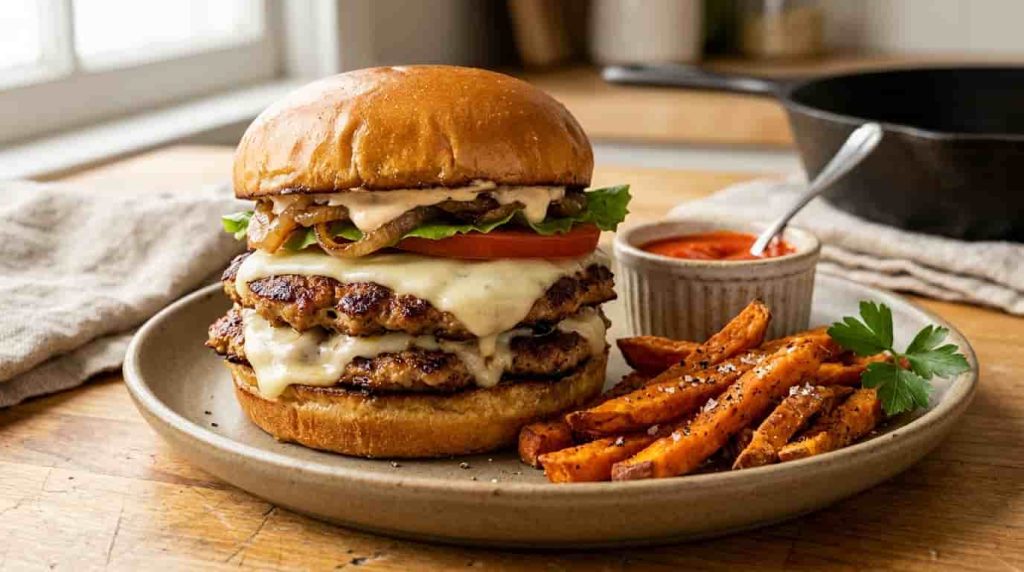
Ground turkey can turn out dry and bland if you aren’t careful. Grating peeled zucchini and chopping fresh indoor microgreens directly into the raw meat locks in moisture so the patties sear up juicy like a diner burger.
-
Prep & Cook Time: 20 minutes.
-
The Secret Ratio: 1 pound 93% lean organic ground turkey + 1/2 cup finely grated peeled zucchini (squeezed dry in a paper towel) + 1/3 cup finely minced indoor broccoli microgreens and flat-leaf parsley + 1 teaspoon onion powder + 1 tablespoon olive oil.
-
Execution: Mix ingredients gently with cold hands and form into 4 thin patties. Sear in a hot cast-iron skillet with 1 tablespoon avocado oil for 4 minutes per side until caramelized, then serve on toasted sourdough or gluten-free brioche buns.
-
Why It Works: Once the turkey browns in the cast iron, the minced microgreens darken and look identical to standard burger seasoning specks.
4. Silky Sweet Potato & Roasted Garlic “Marinara” Meatball Subs
Nightshades like tomatoes trigger joint and gut inflammation in some folks, while other picky eaters despise chunky tomato skins. Whether you use low-acid San Marzano tomatoes or go completely tomato-free, the blender is your best friend here.
-
Prep & Cook Time: 35 minutes.
-
The Secret Ratio: 1.5 cups crushed San Marzano tomatoes + 1/2 cup steamed orange carrot puree + 1 cup fresh indoor baby spinach + 4 cloves roasted garlic + 2 tablespoons extra-virgin olive oil + 6 fresh sweet Genovese basil leaves.
-
Execution: Blast the sauce ingredients on high in a blender for 60 seconds until not a single green speck of spinach or basil remains—the red lycopene and orange beta-carotene overpower the green chlorophyll completely. Simmer pre-baked grass-fed beef meatballs in the smooth sauce for 10 minutes and spoon into toasted sub rolls.
5. Crispy Coconut-Lime Salmon Bites (The “Fish Stick” Upgrade)
Getting a picky eater to eat omega-3-rich salmon feels impossible if it smells fishy. The trick? Soak cubed skinless salmon in milk or coconut milk for 15 minutes first to neutralize trimethylamine (the compound responsible for fishy odors), then cut it into bite-sized nuggets.
-
Prep & Cook Time: 25 minutes.
-
The Secret Ratio: 1 pound wild-caught King or Coho salmon cut into 1-inch cubes + 1/2 cup unsweetened shredded coconut pulsed into fine crumbs + 1/2 cup cassava flour + zest of 1 fresh lime + 1/2 teaspoon garlic powder.
-
Execution: Drain the soaked salmon cubes, pat bone-dry, toss in whisked egg, and coat in the fine coconut-cassava breading. Air-fry at 400°F for 7 to 8 minutes until crunchy on the outside and flaky inside, serving alongside mild mango chunks or sweet potato wedges.
6. One-Pot Lemon-Herb Chicken & White Basmati Rice Skillet
Brown rice has a chewy bran layer that sensory-sensitive kids often spit out, plus it contains higher phytic acid. Rinse white basmati rice thoroughly and cook it directly in golden bone broth infused with fresh indoor lemon balm and ginger.
-
Prep & Cook Time: 30 minutes.
-
The Secret Ratio: 1 cup rinsed white basmati rice + 2 cups low-sodium chicken bone broth + 1/2 teaspoon grated fresh ginger (tied in a cheesecloth bag so you can pull it out before serving) + 2 tablespoons butter or olive oil + 1 pound bite-sized chicken breast pieces.
-
Execution: Sear the seasoned chicken pieces in olive oil for 5 minutes, add the rinsed rice, bone broth, and cheesecloth herb bundle (stuffed with ginger and fresh indoor lemon balm stems), cover tightly, and simmer on low for 15 minutes. Pull out the herb bag before calling anyone to the table so no suspicious leaves remain in the pot.
7. Crispy Sweet Potato & Black Bean Quesadillas with Avocado Crema
Refined flour tortillas and processed American cheese slices spike blood sugar and promote systemic inflammation (Source: [Insert Link to USDA/University Study]). Swap in cassava or sprouted corn tortillas and use mashed roasted sweet potato as the “glue” that holds the quesadilla together.
-
Prep & Cook Time: 20 minutes.
-
The Secret Ratio: 1 cup warm mashed orange sweet potato + 1/2 cup rinsed black beans mashed completely smooth with a fork + 1/2 teaspoon mild ground cumin + 1/2 cup shredded Monterey Jack or dairy-free almond mozzarella.
-
Execution: Spread a thin layer of the smooth sweet potato and black bean paste across one tortilla, sprinkle lightly with cheese, top with a second tortilla, and toast in a dry skillet over medium heat for 3 minutes per side until crisp. Cut into neat triangles and serve with blended avocado, lime juice, and a pinch of salt.
Sensory Troubleshooting: Fixing Texture, Color, and Smell Rejections
Even the best recipe flops if you trigger a sensory alarm bell. I learned this the hard way when a single unblended leaf of parsley ruined an entire batch of chicken soup in 2023.
I was wrong to think “they won’t notice one little leaf.” Picky eaters have radar vision.
Here is how you troubleshoot the three biggest dinnertime meltdowns before the plate ever hits the table:
-
The “Green Flecks” Panic (Color Rejection): Never blend green spinach or microgreens into white sauces like Alfredo unless you intentionally call it “Hulk Sauce” or mask the green under dark pigments like red tomato sauce, cocoa, or dark taco seasoning. Peel the green skin off zucchini with a vegetable peeler before steaming and blending it into white or yellow dishes.
-
The “Mushy or Slimy” Gag (Texture Rejection): Roasting vegetables in a soggy pile steams them into mush. Always preheat your stainless steel sheet pan inside a 425°F oven for 10 minutes before tossing oiled broccoli or sweet potato cubes onto it—that instant sizzle creates caramelized, crispy edges that mimic french fries.
-
The “Stinky Kitchen” Protest (Smell Rejection): Cruciferous vegetables (cauliflower, cabbage, broccoli) release sulfurous gases when boiled for more than 6 minutes. Steam cauliflower florets for 5 minutes max, or swap mature florets for indoor-grown broccoli microgreens that have zero sulfur smell.
Read: Easy 15-Minute Anti-Inflammatory Dinner Recipes: 12 Fast, Flavorful Ideas
Pantry Swaps: Inflammatory Triggers vs. Clean Comfort Upgrades
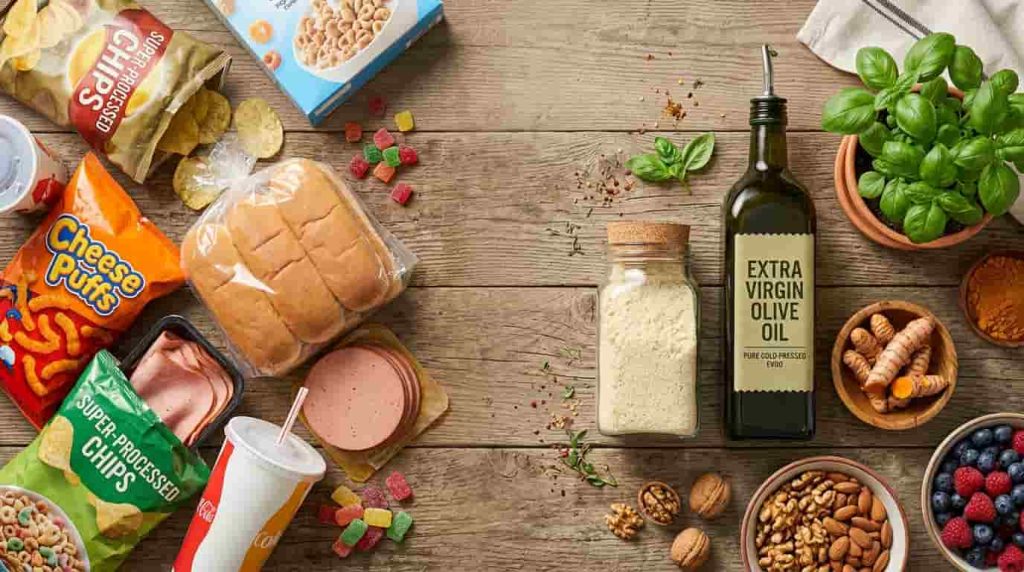
You don’t need to throw away every item in your kitchen tonight. Start by swapping out the most aggressive inflammatory culprits—refined seed oils, high-fructose corn syrup, and bleached flours—with clean 1-to-1 upgrades that taste identical in everyday cooking.
-
Refined Vegetable, Canola, or Soybean Oil: Swap for 100% pure avocado oil for high-heat roasting (up to 500°F with zero flavor) and extra-virgin olive oil for pasta sauces and dressings.
-
Bleached White Breadcrumbs & Panko: Swap for fine blanched almond flour mixed with arrowroot powder, or crushed gluten-free cassava crackers pulsed in a food processor.
-
Sugary Bottled Ketchup & BBQ Sauce: Swap for unsweetened organic tomato paste whisked with pure maple syrup, apple cider vinegar, garlic powder, and a pinch of smoked paprika.
-
Standard Table Salt: Swap for mineral-rich fine Celtic sea salt or Redmond Real Salt to support cellular hydration without metallic bitterness.
-
Store-Bought Dried Herbs (Old & Dusty): Swap for fresh, sweet leaves snipped straight from your indoor countertop coco-coir planters right before plating.
Frequently Asked Questions
What are the easiest anti inflammatory dinner ideas for picky eaters who hate vegetables?
The easiest anti inflammatory dinner ideas for picky eaters who refuse visible vegetables are Golden Hidden-Veggie Mac and Cheese (using peeled zucchini and butternut squash blended with white cheddar) and Crispy Almond-Crusted Chicken Tenders served with honey-turmeric mustard. Both meals look and taste like classic diner comfort food while delivering potent antioxidants and healthy fats.
How do you hide turmeric in food for picky eaters without making it taste bitter?
Use no more than 1/4 teaspoon of ground turmeric per 4-serving dish, and always pair it with a creamy fat (like olive oil, coconut milk, or cheese) and a sweet or savory buffer like roasted garlic, honey, or butternut squash. Cooking the turmeric gently in warm oil for 30 seconds with a tiny pinch of black pepper removes its raw, earthy bite while activating its anti-inflammatory curcuminoids.
Can indoor microgreens really replace regular vegetables in anti-inflammatory meals?
Yes, indoor-grown microgreens like broccoli, sweet pea, and red cabbage shoots contain between 4 and 40 times more concentrated vitamins, polyphenols, and sulforaphane by weight than their mature vegetable counterparts. Because you harvest them at 7 to 10 days old on your kitchen counter, their cell walls are tender and mild, allowing you to blend a small handful into meatballs, smoothies, or pasta sauces without changing the flavor.
What cooking oils should I avoid when making anti-inflammatory family dinners?
Strictly avoid highly processed industrial seed oils high in omega-6 linoleic acid, including soybean oil, corn oil, cottonseed oil, sunflower oil, and generic “vegetable” oil blends. Instead, cook your family’s meals using cold-pressed extra-virgin olive oil for low-to-medium heat and pure refined avocado oil for high-heat baking, air-frying, and searing.
Wrapping Up Your Stress-Free Dinner Routine
Building a weekly rotation of anti inflammatory dinner ideas for picky eaters doesn’t mean turning your dining room into a battlefield or forcing down bowls of bitter steamed kale. Start small this week. Set up a single tray of sweet broccoli microgreens and a pot of basil on your kitchen counter, grab a bottle of avocado oil, and test out the crispy almond chicken tenders or hidden-veggie mac tonight. When you control the freshness of your herbs indoors and master a few simple blender tricks, your family gets the healing nutrition they need—and you finally get a peaceful, clean-plate dinner.