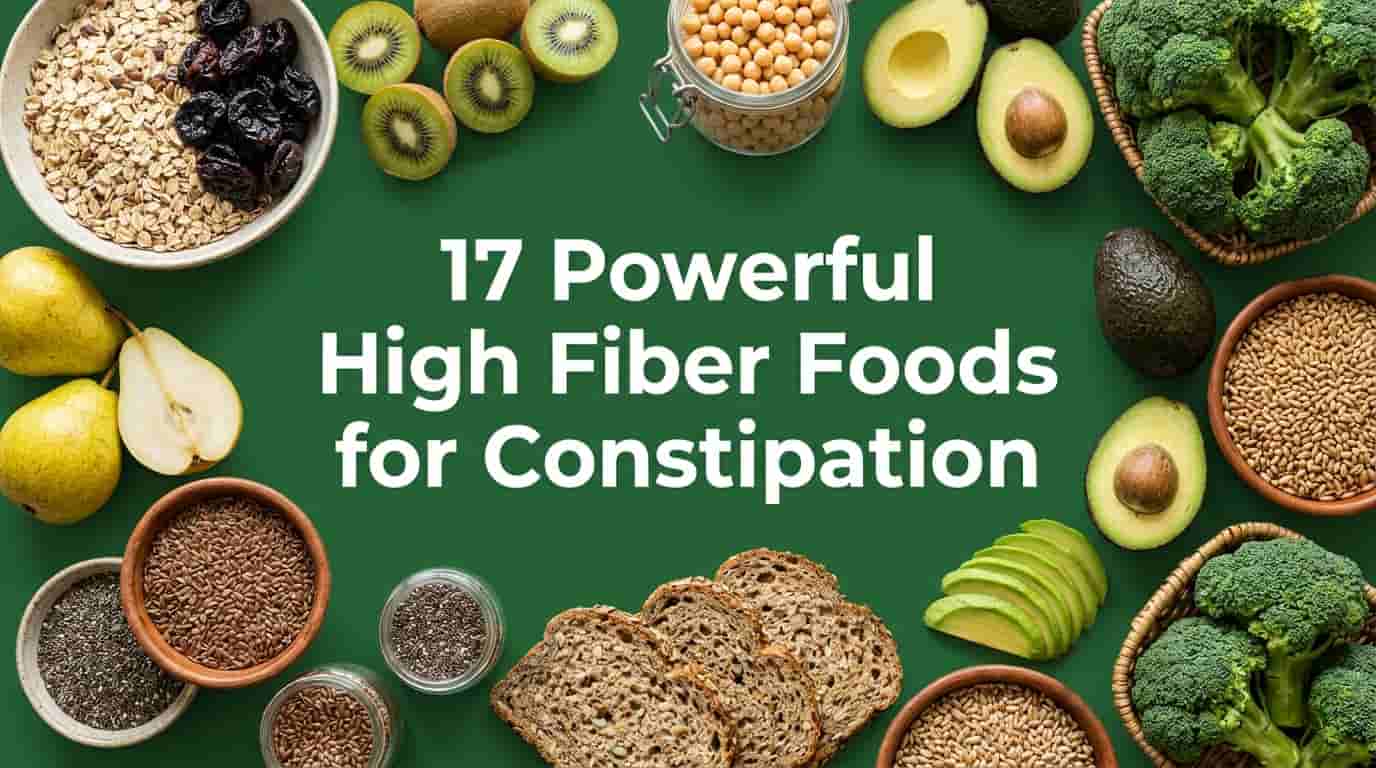
Constipation can be surprisingly frustrating.
You eat. You wait. Nothing happens.
Then comes the bloating, the heaviness, and that uncomfortable feeling that seems to follow you throughout the day. If you’ve ever found yourself searching for high fiber foods for constipation at 2 a.m., wondering why your digestive system suddenly decided to take a vacation, you’re definitely not alone.
Here’s something that shocked me when I first started digging into the research: experts recommend around 25–30 grams of fiber daily, yet most adults barely reach 16 grams. That’s a massive gap.
And it explains a lot.
The good news? In many cases, the solution isn’t complicated. The right high fiber foods can help restore regular bowel movements naturally while also supporting your gut bacteria, digestion, and overall health.
But there’s a catch.
Not all fiber works the same way.
For years, people were told to simply “eat more fiber.” That advice isn’t wrong, but it’s incomplete. New research suggests that the most effective approach combines both soluble and insoluble fiber in a balanced way. Think of them as a team.
One attracts water and softens stool.
The other provides structure and bulk.
Together, they create the conditions your digestive system needs to function smoothly.
In this guide, you’ll learn which foods deserve a place on your plate, why some popular remedies fail, and how to build a high fiber diet for constipation without turning your stomach into a balloon factory.
Let’s start with the science.
Why High Fiber Foods Matter More Than Most People Realize
Most people think fiber acts like a broom.
Eat fiber. Clean out the colon.
Simple, right?
Actually, your digestive system is much more sophisticated than that.
Fiber Does More Than Add Bulk
When you eat food with fiber for constipation relief, several things happen simultaneously.
Some fibers absorb water and form a gel-like substance. This softens stool and makes it easier to pass.
Other fibers increase stool volume and stimulate the intestinal walls.
Meanwhile, beneficial gut bacteria begin fermenting certain fibers and produce compounds called short-chain fatty acids.
These compounds act almost like tiny chemical messengers.
They help nourish colon cells.
They improve gut health.
And they can even encourage stronger intestinal contractions.
That’s one reason many gastroenterologists now view constipation as partly a gut microbiome issue rather than simply a lack-of-fiber problem.
The 1:1 Fiber Balance That Researchers Are Talking About
Recent studies have highlighted an interesting pattern.
A roughly balanced combination of soluble and insoluble fiber appears to produce the best results for many people struggling with constipation.
Imagine trying to build a sturdy bridge.
You need cables and support beams.
One without the other won’t work very well.
The same principle applies here.
Soluble fiber:
- Absorbs water
- Softens stool
- Supports beneficial bacteria
- Helps stimulate gut hormones
Insoluble fiber:
- Adds bulk
- Improves stool movement
- Supports mechanical transit
- Maintains intestinal structure
Many natural fiber rich foods for constipation provide both forms, which is one reason whole foods often outperform isolated fiber products.
Why Your Gut Bacteria Care About Fiber
This is where things get interesting.
Researchers have increasingly linked chronic constipation with imbalances in gut bacteria.
Certain foods don’t just help move waste through the intestines.
They also feed beneficial microbes such as Bifidobacteria and Lactobacilli.
These microbes produce beneficial compounds that help keep the digestive tract active and healthy.
Foods that seem particularly effective for this dual purpose include:
- Chickpeas
- Avocados
- Broccoli
- Whole grains
- Beans
- Lentils
In other words, some high fiber foods are working behind the scenes even when you don’t notice it.
They are feeding the microscopic workforce living inside your gut.
Why More Fiber Isn’t Always Better
This may sound surprising.
Fiber is helpful.
Excessive fiber isn’t always helpful.
If you’re currently consuming only 10 grams daily and suddenly jump to 35 grams tomorrow, your digestive system may protest loudly.
Gas.
Bloating.
Cramping.
Discomfort.
That’s why many digestive specialists recommend what I call the “slow and steady approach.”
Increase intake gradually.
A practical guideline is adding approximately 5 grams of fiber per day each week until you reach your target intake.
Your gut needs time to adapt.
Trust me, your stomach will appreciate the patience.
The Best High Fiber Foods for Constipation Backed by Science
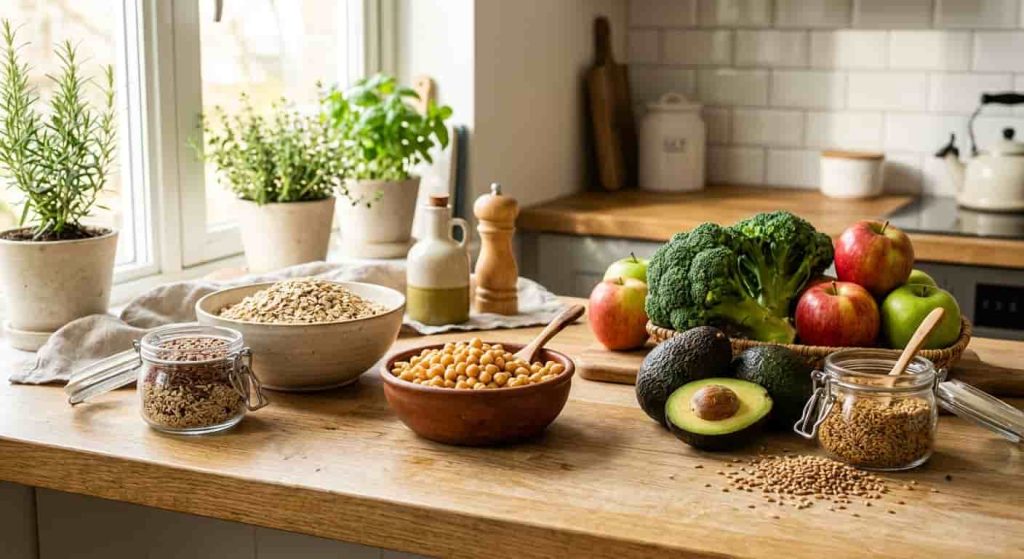
Now let’s talk about the foods that consistently show up in research and clinical practice.
These aren’t trendy superfoods.
They’re practical foods you can actually buy and eat.
Chickpeas: The Gut-Friendly Powerhouse
Chickpeas deserve far more attention than they receive.
One serving delivers a generous amount of fiber while also feeding beneficial gut bacteria.
They contain a combination of soluble and insoluble fiber, making them particularly useful in a fiber rich diet for constipation.
Easy ways to eat them include:
- Roasted as a snack
- Added to salads
- Mixed into soups
- Blended into hummus
Avocados: Creamy and Surprisingly Effective
Most people think of avocados as a healthy fat source.
That’s true.
But they’re also loaded with fiber.
One avocado provides a substantial fiber boost while remaining gentle on the digestive tract.
For people who struggle with harsh fiber sources, avocados can be an excellent starting point.
Broccoli: One of Nature’s Best Digestive Helpers
Broccoli offers a powerful combination of fiber, water, and plant compounds.
It supports stool bulk while simultaneously feeding beneficial bacteria.
Lightly steaming broccoli often improves digestibility while preserving much of its nutritional value.
If you’re building high fiber meals for constipation, broccoli deserves regular space on your plate.
Apples: Better Whole Than Blended
Ever noticed that whole apples seem more filling than applesauce?
There’s a reason.
Particle size matters.
Research suggests that keeping plant fibers intact improves their ability to retain water and support healthy bowel function.
That’s why eating a whole apple often works better than consuming the same apple in a highly processed form.
Leave the skin on whenever possible.
That’s where much of the fiber lives.
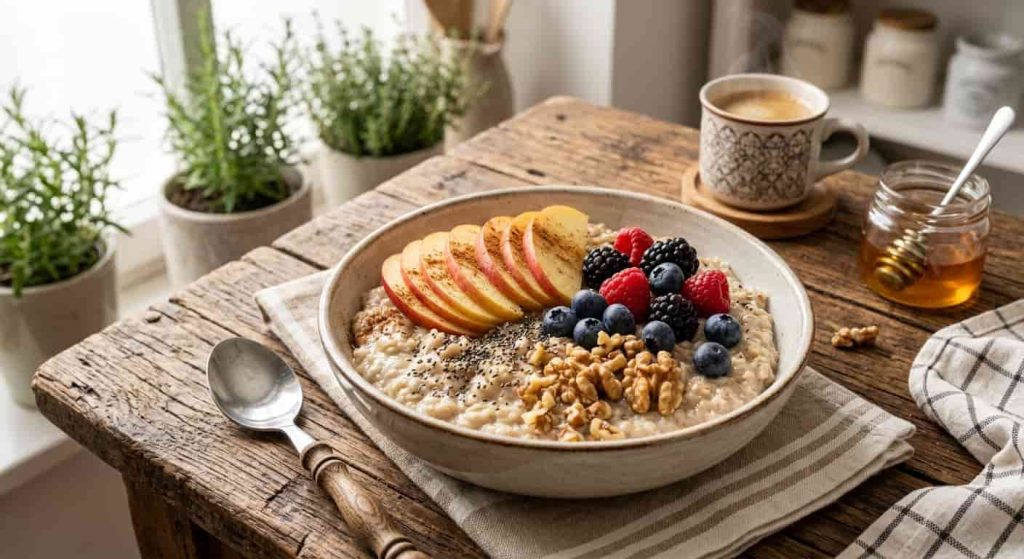
Oats: Gentle Yet Effective
Some fiber-rich foods can feel aggressive.
Oats aren’t one of them.
They’re generally well tolerated and provide soluble fiber that helps attract water into the stool.
Many people experiencing mild constipation find that starting the day with oatmeal creates noticeable improvements within days.
The key is consistency.
One bowl won’t perform miracles.
Regular intake often does.
Lentils: Small but Mighty
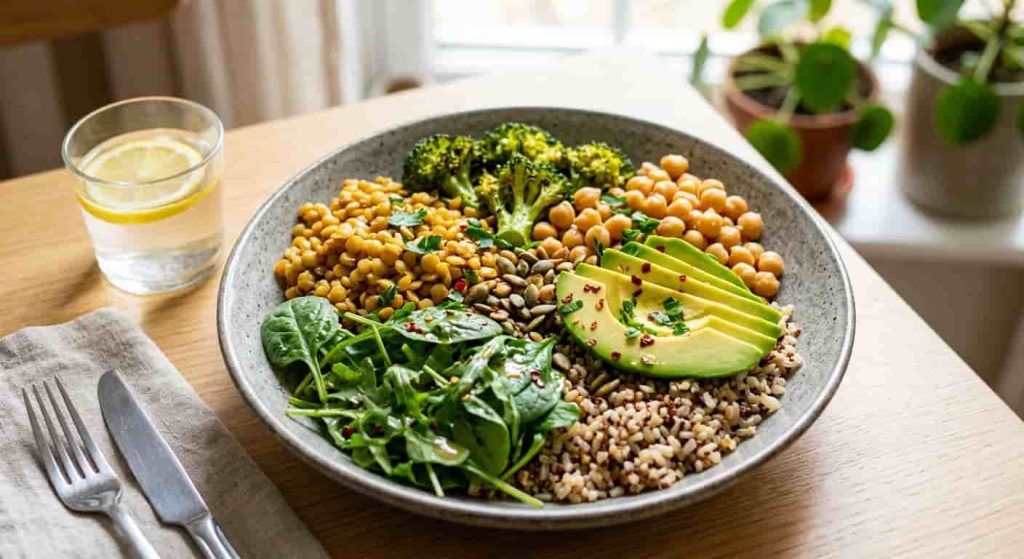
Lentils combine fiber, plant protein, and important minerals in one affordable package.
They fit perfectly into soups, curries, grain bowls, and salads.
For anyone searching for good fiber foods for constipation that don’t cost a fortune, lentils are hard to beat.
And unlike many processed fiber products, they bring additional nutrients to the table.
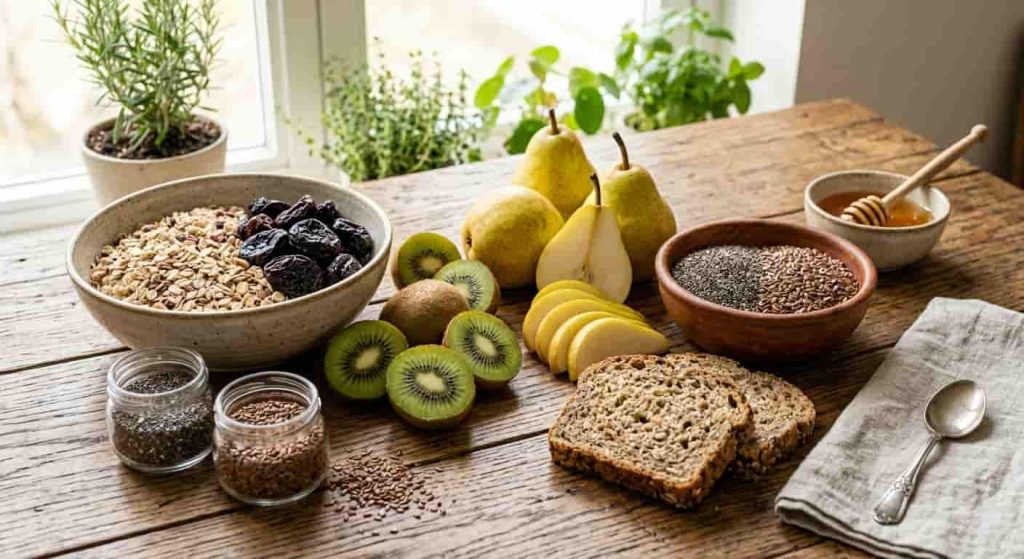
Prunes: The Classic Remedy That Actually Works
Let’s give prunes some credit.
They’ve been the butt of digestive jokes for decades, yet science keeps proving they deserve their reputation.
What’s interesting is that prunes don’t work because of fiber alone.
They contain sorbitol, a naturally occurring sugar alcohol that attracts water into the intestines. This creates a gentle laxative effect that works alongside their fiber content.
That’s a powerful combination.
Many people notice improvements after eating just a small serving daily.
A handful of prunes as a snack can often outperform highly processed remedies.
Not glamorous.
Very effective.
Kiwifruit: The Underrated Digestive Superstar
If prunes are the old-school champion, kiwifruit is the rising star.
Research has repeatedly shown that kiwifruit helps increase bowel movement frequency and improves overall digestive comfort.
The secret lies partly in a unique enzyme called actinidin.
Combined with fiber and water, it appears to support smoother digestion from top to bottom.
Personally, I think kiwifruit is one of the easiest additions to a high fiber diet for constipation.
No preparation required.
Just slice and eat.
Beans: Tiny Packages of Digestive Support
Beans are among the most fiber-rich foods on the planet.
Black beans.
Kidney beans.
Navy beans.
Pinto beans.
They all provide substantial amounts of both soluble and insoluble fiber.
The challenge?
Some people introduce them too quickly.
Then comes the gas.
Then comes regret.
Then they swear off beans forever.
That’s unfortunate because gradual introduction usually solves the problem.
Start small.
Let your gut adapt.
You’ll often discover that beans become one of the most effective fiber enriched foods constipation sufferers can include regularly.
Pears: Nature’s Sweet Digestive Helper
Pears are often overlooked.
Big mistake.
A medium pear contains an impressive amount of fiber, especially when eaten with the skin.
They also contain natural sugars that can help draw water into the bowel.
It’s a gentle effect.
Nothing dramatic.
But constipation relief often comes from small daily habits rather than dramatic interventions.
Flaxseeds and Chia Seeds: Small Seeds, Big Impact
These tiny seeds punch far above their weight.
When mixed with water, both flaxseeds and chia seeds form a gel-like consistency.
That gel helps soften stool and supports easier passage.
I like adding them to:
- Oatmeal
- Yogurt
- Smoothies
- Overnight oats
Just remember something important.
They need water.
Lots of it.
Without adequate hydration, adding large amounts of seeds may actually make constipation worse.
Whole Grains: Fuel for a Happier Colon
Whole grains remain some of the best foods containing fiber constipation sufferers can rely on daily.
Good choices include:
- Oats
- Brown rice
- Quinoa
- Barley
- Whole wheat bread
- Whole grain cereals
These foods provide a combination of fiber, nutrients, and resistant starch that support beneficial gut bacteria.
Refined grains remove much of that benefit.
The difference between white bread and whole grain bread isn’t just color.
It’s digestive functionality.
The Biggest Fiber Myths That Keep People Constipated
Some digestive myths simply refuse to die.
Let’s clear up a few.
Myth #1: Fiber Fixes Every Type of Constipation
This is probably the biggest misconception.
Fiber often helps.
It doesn’t always help.
Research shows fiber tends to increase bowel movement frequency, but it may not completely solve symptoms such as painful defecation or poor stool consistency in every person.
Constipation isn’t one condition.
It’s a symptom with multiple causes.
That distinction matters.
Myth #2: If Fiber Isn’t Working, Eat More
This sounds logical.
It’s not always correct.
If you’re already consuming around 25 to 30 grams of fiber daily, adding significantly more may not provide extra benefits.
In certain situations, excessive fiber can actually worsen bloating and discomfort.
Your colon isn’t a storage warehouse.
At some point, adding more traffic to an already congested system creates bigger problems.
Myth #3: Raw Bran Is Always the Gold Standard
For decades, bran was treated almost like a miracle cure.
Reality is more complicated.
Many people experience severe bloating, gas, and abdominal discomfort when using large amounts of coarse bran.
More modern approaches often favor whole-food sources or soluble fibers that are gentler on sensitive digestive systems.
The 5-Gram Ramp Rule That Changes Everything
Want to know why many people fail with fiber?
They move too fast.
Imagine never exercising and then attempting a marathon tomorrow.
Your body would revolt.
The same principle applies to digestion.
Experts often recommend increasing daily fiber intake gradually.
About 5 grams at a time.
For example:
Week 1:
- 15 grams daily
Week 2:
- 20 grams daily
Week 3:
- 25 grams daily
Week 4:
- 30 grams daily
This gradual progression allows gut bacteria and intestinal function to adapt comfortably.
Less bloating.
Less gas.
Better long-term success.
Simple.
Effective.
Frequently ignored.
Why Some People Actually Feel Worse With Fiber
This section surprises many readers.
Sometimes fiber isn’t the answer.
Sometimes it’s the wrong answer.
Let’s look at why.
Slow-Transit Constipation
Think of a traffic jam.
Now imagine adding more cars.
That’s essentially what happens in slow-transit constipation.
The colon moves stool extremely slowly.
Adding large quantities of insoluble fiber can create more bulk without improving movement.
The result?
More bloating.
More discomfort.
Less happiness.
Specialists often rely on other approaches for these individuals rather than simply prescribing additional fiber.
Pelvic Floor Dysfunction
In this situation, stool reaches the exit just fine.
The problem occurs during evacuation.
The muscles responsible for releasing stool don’t coordinate properly.
Adding more fiber here may create larger stools without solving the underlying issue.
It’s like pushing more people toward a locked door.
The door remains the problem.
Individual Sensitivities
Some people tolerate beans beautifully.
Others don’t.
Some thrive on bran.
Others feel miserable.
Digestive health is highly individual.
Listening to your body matters.
The Three Types of Constipation Specialists Look For
Understanding these categories can be eye-opening.
Type One: Normal-Transit Constipation
This is where fiber shines.
The digestive system functions normally.
The problem is often a low-fiber diet, dehydration, or lifestyle habits.
Most people in this category respond well to high fiber foods and improved hydration.
Type Two: Slow-Transit Constipation
The colon itself moves slowly.
Fiber helps some people.
Not everyone.
Clinical data suggests response rates are significantly lower compared to normal-transit constipation.
Type Three: Pelvic Floor Dyssynergia
The muscles fail to coordinate during bowel movements.
Dietary changes alone rarely solve the issue.
Specialized pelvic floor therapy often becomes the preferred treatment approach.
Understanding your category can save years of frustration.
Practical High Fiber Meals for Constipation
Knowledge is helpful.
Meals are what actually change outcomes.
Breakfast
Option 1:
- Oatmeal
- Chia seeds
- Sliced pear
- Ground flaxseed
Option 2:
- Greek yogurt
- Kiwifruit
- Berries
- Whole grain toast
Lunch
Option 1:
- Chickpea salad
- Mixed vegetables
- Avocado
- Whole grain crackers
Option 2:
- Lentil soup
- Side salad
- Whole grain bread
Dinner
Option 1:
- Brown rice
- Broccoli
- Beans
- Lean protein
Option 2:
- Quinoa bowl
- Roasted vegetables
- Chickpeas
- Avocado
Smart Snacks
- Prunes
- Pears
- Apple slices
- Roasted chickpeas
- Mixed nuts
A Simple One-Day High Fiber Plan
If you’re aiming for roughly 30 grams of fiber daily, a sample day might look like this:
Breakfast:
Oatmeal with chia seeds and berries
Snack:
One pear
Lunch:
Lentil soup and whole grain bread
Snack:
A few prunes
Dinner:
Broccoli, brown rice, chickpeas, and grilled protein
Nothing extreme.
Nothing complicated.
Just consistent intake from real foods.
And honestly, that’s usually where success begins.
Why Water Matters Just As Much As Fiber
Here’s a mistake I see all the time.
Someone decides to improve their digestion.
They start eating more fiber.
They add oatmeal, beans, chia seeds, and whole grains.
But they forget one critical ingredient.
Water.
Fiber and water work together like two halves of the same system.
Without enough fluid, fiber can’t perform its job properly.
Instead of creating soft, easy-to-pass stools, insufficient hydration can leave stool dry, hard, and difficult to move.
Think of fiber as a sponge.
A sponge only becomes useful when it absorbs water.
The same concept applies inside your digestive tract.
How Much Water Do You Actually Need?
There’s no magic number that works for everyone.
Body size, climate, activity level, medications, and diet all influence hydration needs.
A practical approach is simple:
- Drink consistently throughout the day.
- Increase water intake when increasing fiber.
- Pay attention to urine color. Pale yellow generally indicates adequate hydration.
- Don’t wait until you’re thirsty.
Many people are surprised to discover that their constipation improves after fixing hydration habits rather than dramatically increasing fiber intake.
Foods That Help With Hydration
Water doesn’t only come from drinks.
Several high fiber foods naturally contain large amounts of water.
Examples include:
- Pears
- Apples
- Oranges
- Cucumbers
- Celery
- Broccoli
- Kiwifruit
These foods provide a double benefit.
Fiber plus hydration.
Your digestive system appreciates both.
Common Fiber Mistakes That Secretly Sabotage Results
Constipation relief sounds simple.
Eat more fiber.
Problem solved.
Real life rarely works that way.
Let’s look at several common mistakes.
Mistake #1: Changing Everything Overnight
Motivation is wonderful.
Digestive shock is not.
Some people jump from 10 grams of fiber daily to 35 grams overnight.
The result often includes:
- Gas
- Bloating
- Cramping
- Discomfort
Then they assume fiber doesn’t work.
Usually, the problem isn’t fiber.
It’s speed.
The 5-gram ramp rule exists for a reason.
Mistake #2: Ignoring Soluble Fiber
Not all fiber behaves the same.
Many people focus exclusively on coarse, bulky fibers.
Yet soluble fiber often provides some of the greatest benefits for stool softness and digestive comfort.
The most effective fiber rich foods for constipation typically contain both types naturally.
Nature tends to know what it’s doing.
Mistake #3: Depending Entirely on Supplements
Fiber supplements can be useful.
They’re not necessarily a replacement for food.
Whole foods provide:
- Vitamins
- Minerals
- Antioxidants
- Water
- Plant compounds
A bowl of lentils offers far more than isolated fiber alone.
Mistake #4: Expecting Instant Results
We live in a world of overnight shipping and instant streaming.
The digestive system doesn’t always cooperate with that timeline.
For some people, improvements appear within days.
Others require several weeks of consistent habits.
Patience matters.
Mistake #5: Ignoring Movement
Your intestines love movement.
Regular walking, light exercise, and physical activity can help stimulate bowel function.
No, you don’t need marathon training.
Even a daily walk can make a noticeable difference.
When Constipation Signals Something More Serious
Most constipation isn’t dangerous.
Still, there are situations where medical evaluation becomes important.
You should speak with a healthcare professional if constipation is accompanied by:
- Blood in the stool
- Unexplained weight loss
- Persistent abdominal pain
- Vomiting
- Severe bloating
- Sudden changes in bowel habits
- Symptoms lasting several weeks despite dietary improvements
These signs don’t automatically indicate a serious condition.
They do deserve proper evaluation.
Never ignore persistent symptoms.
Frequently Asked Questions
What are the best high fiber foods for constipation?
Some of the most effective options include:
- Chickpeas
- Lentils
- Prunes
- Kiwifruit
- Pears
- Apples
- Oats
- Broccoli
- Flaxseeds
- Chia seeds
- Whole grains
These foods provide various combinations of soluble and insoluble fiber while supporting gut bacteria.
How much fiber should I eat daily?
Most adults should aim for approximately 25 to 30 grams of fiber daily.
The exact amount depends on age, sex, activity level, and individual health needs.
What’s more important is gradually working toward that goal.
Can eating too much fiber cause constipation?
Yes.
Especially when fiber intake increases rapidly or water intake remains low.
Excessive fiber without adequate hydration can worsen symptoms in some individuals.
Are prunes better than other fruits for constipation?
Prunes are unique because they contain both fiber and sorbitol.
This combination often makes them particularly effective.
That said, pears, kiwifruit, apples, and berries can also provide meaningful benefits.
How long does fiber take to work?
Some people notice improvements within a few days.
Others require several weeks of consistent intake.
Digestive systems vary considerably from person to person.
Should I eat raw or cooked vegetables?
Both can be beneficial.
However, some individuals tolerate cooked vegetables more comfortably.
Light steaming often improves digestibility while preserving nutritional value.
What if fiber doesn’t help?
This is important.
Not every case of constipation responds to fiber.
Slow-transit constipation and pelvic floor dysfunction frequently require different treatment approaches.
If symptoms persist despite a well-planned high fiber diet for constipation, professional evaluation is worthwhile.
The Bottom Line on High Fiber Foods for Constipation
Long story short, high fiber foods remain one of the most effective first-line tools for managing constipation naturally.
But the story is more nuanced than “eat more vegetables.”
The latest research suggests that balance matters.
A combination of soluble and insoluble fiber appears to produce the best results.
Foods such as chickpeas, lentils, oats, avocados, broccoli, pears, prunes, kiwifruit, flaxseeds, chia seeds, and whole grains provide far more than simple bulk. They support beneficial gut bacteria, encourage healthy transit, and help create an environment where digestion can function as intended.
Just remember a few key principles:
- Increase fiber gradually.
- Follow the 5-gram ramp rule.
- Drink enough water.
- Stay physically active.
- Listen to your body.
- Don’t assume every type of constipation responds to fiber.
Perhaps the biggest lesson is this: consistency beats perfection.
You don’t need a flawless diet.
You don’t need expensive supplements.
And you definitely don’t need to overhaul your entire kitchen overnight.
Small changes repeated daily often produce the most impressive results.
If you’re currently struggling with constipation, start with one or two high fiber foods this week.
Add another next week.
Then another.
Your digestive system tends to reward steady progress.
And when it does, you’ll likely wonder why you waited so long to make the change.
Ats Nutrihack, we believe practical nutrition should feel achievable, not overwhelming. The best digestive health strategy isn’t the trendiest one. It’s the one you can actually stick with for months and years.
That’s where real results happen.
Read More Article: The Remarkable Lucuma Fruit: Why This Ancient Peruvian Superfood Deserves a Place in Your Kitchen
Please wait to go to the next post: 30 seconds
Go to Next Post