Let’s be real for a second. Trying to lose weight is absolutely miserable when your stomach won’t stop growling at 3 PM.
I’ve been there. You chug a massive glass of water. You chew mint gum. You try to ignore it. Nothing really works.
That is exactly why a specific gelatin recipe for weight loss is currently taking over TikTok and Instagram. People are simply dissolving unflavored gelatin in hot water and drinking it before their meals.
But is it just another silly social media trend?
Actually, no. Here’s the deal. Because gelatin is almost entirely protein, it physically takes up space in your stomach. It genuinely helps you feel full for a while.
However, let’s get one thing totally straight. This does not mean it magically burns fat, targets your belly, or guarantees long-term weight loss.
The best way to use it is simply as a smart, low-calorie tool. It’s a great trick to stop you from reaching for that heavy afternoon snack. It should never replace your actual meals or real, whole foods.
The viral gelatin trick typically combines unflavored gelatin with hot water and lemon.
The usual gelatin trick consists of drinking unflavored gelatin dissolved in hot liquid before a meal.
Although gelatin may promote feelings of fullness for a short period, the evidence is weak for long-term weight loss.
It offers no real metabolic benefit and doesn’t burn belly fat
Researchers also indicate that it works best when it replaces a high-calorie snack rather than adding calories to the diet.
On its own, gelatin is an incomplete protein and has no fiber.
Sustainable weight loss depends on overall diet, physical activity, sleep, stress management and maintaining a calorie deficit.
What Is the Gelatin Trick for Weight Loss?
The gelatin trick is a social media trend based on a very basic drink: Gelatin powder mixed with hot water, tea, coffee or lemon water. Most versions suggest drinking it in the morning or 15 to 30 minutes before a meal.
Advocates assert that the bevy suppresses possible hunger, decreases calorie consumption, boosts metabolism and accelerates fat loss. Some posts go so far as to call it a natural substitute for prescription weight reduction medication.
Those claims are overstated. Gelatin-induced short-term satiety may act in a way similar to weight-reducing medications but it has not shown itself effective as a stand-alone obesity treatment with any meaningful impact on body mass.
There is no such thing as a standard gelatin diet. When it comes to serving sizes, ingredients, timing and preparation methods, online recipes can be all over the place.
What Is Gelatin?
Gelatin: Gelatin is an animal protein that is made from processed collagen. It’s a protein that documents your skin, your bones, the cartilage and connective tissue :- Collagen.
Commercial gelatin is derived mostly from cattle or pigs, with fish gelatins also accessible. It becomes a soft gel when dissolved in hot liquid and cooled.
What is the difference between unflavored gelatin and flavored gelatin dessert mixes? Flavored products may have sugar, artificial sweeteners, colors, additional flavoring materials and more sodium.
Gelatin vs. Collagen Peptides
While both gelatin and collagen peptides originate from the same protein source, their behavior in our bodies is very different.
When gelatin cooled it melts and set. Collagen peptides dissolve more readily and typically stay in liquid form, so they can easily be added to coffee, smoothies, and other beverages.
So collagen powder is not an equal substitute for a recipe when it requires setting. Both of these products, in fact, are considered incomplete proteins—meaning that they do not contain all essential amino acids at ideal proportions.
Can Gelatin Help You Lose Weight?
The honest answer is that it might support weight control indirectly, but the effect is likely modest. Most online claims confuse short-term fullness with proven fat loss.
Claim: Gelatin Keeps You Full
Verdict: Possibly, for a short time.
Gelatin is almost entirely protein. Protein leads to more satiety compared to refined carbohydrates and possibly delays hunger returning after a meal.
Small studies have reported feeling fuller after eating gelatin for a longer period of time. Most maxed out at short-term energy intake rather than long-term weight change.
Feeling satiated or full after one drink does not mean that one will consume less food over the course of an entire day.
Claim: Gelatin Helps You Eat Less
Verdict: It depends on how you use it.
Drinking gelatin before a meal may be sufficient to help some people eat less. Other may make up and eat more later.
The communicated advantage comes in the form of substitution. Swapping a 300-calorie dessert for a 40-calorie portion of gelatin snack is an effective way to reduce calorie intake.
It will not create a calorie deficit, but by eating gelatin along with your regular meals and snack.
Claim: Gelatin Boosts Metabolism
Verdict: The effect is too small to matter.
Digestion requires energy, which is known as the thermic effect of food. Protein usually takes more time and energy to digest than fat or carbohydrate.
Gelatin is a protein, so it could slightly increase caloric consumption when digested. Foods such as eggs, fish, chicken and yogurt or high-protein foods in beans do the same work but better feed their content.
Only a small extra calorie burn that does not lead to significant weight loss.
Claim: Gelatin Burns Belly Fat
Judgment: There is no credible basis for this claim.
No food or drink can target the loss of fat in the abdomen. Fat loss occurs as reduction in belly fat.
Gelatin does not burn fat, cleanse the body, or induces a fat-burning process in your body to happen. Fast weight loss and other claims are best seen as marketing messages, not nutrition facts.
Simple Gelatin Recipe for Weight Loss
There is no medically approved gelatin weight-loss formula. This version is a low-sugar option that can be consumed warm or chilled.
Ingredients
1 tablespoon unflavored gelatin
1/4 cup cold water
3/4 cup hot water or unsweetened herbal tea
1 to 2 tablespoons fresh lemon juice
1/2 cup chopped strawberries, raspberries, or blueberries
Low-calorie sweetener, optional
Fresh mint, grated ginger, cinnamon, or vanilla, optional
Instructions
1.Bloom the gelatin
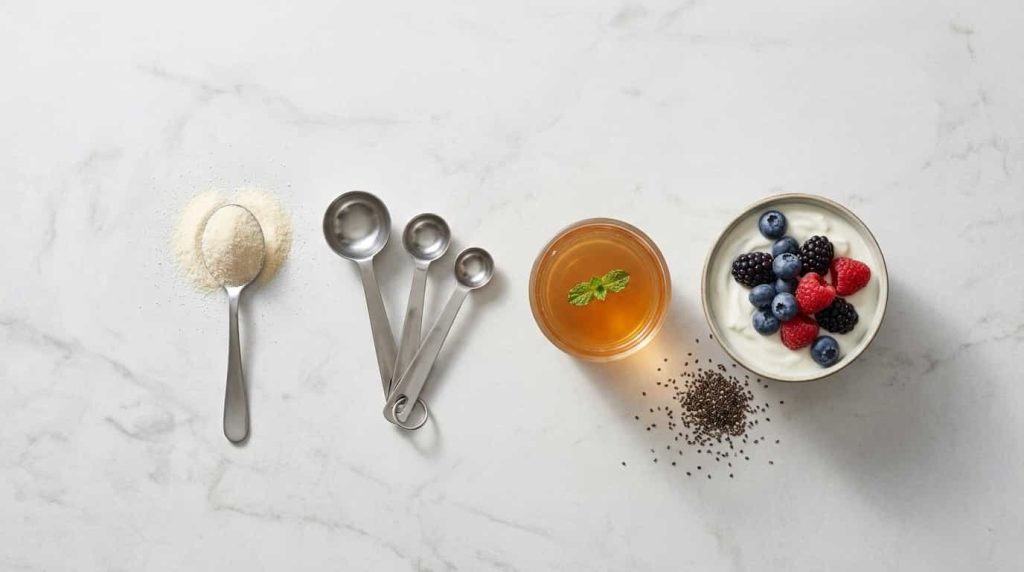
Give the cold water into an ovenproof cup or bowl. Evenly sprinkle the gelatin on top and allow it to soak in for about five minutes.
The water should be absorbed by the gelatin, and reduce.
2.Add the hot liquid
Pour in the hot water or tea. Stir until gelatine dissolved completely.
It still needs to be hot but does not have to come up to a boil.
3.Add flavor
Stir in the lemon juice and any optional flavoring. Sweeten as desired, starting with a bit.
If you like to keep the recipe low in calories, avoid high amount of sugar-honey-maple syrup- or fruit juice.
4.Drink or refrigerate
Consume the blend while warm in a somewhat thick, soup like drink.
If you want a cool snack, mix in the berries and distribute mixture into little containers, then put in refrigerator for two to four hours.
5.Storage
Keep made gelatin in a refrigerator, placed in a closed compartment. Consume within 3-4 days.
If the color, smell or texture changes, throw it away.
Bloom the gelatin in cold water before dissolving it in hot liquid and adding flavor.
Gelatin Nutrition Facts
Nutrition varies by brand. One tablespoon, or around 12 grams, of unflavored gelatin may contain:
Nutrient
Approximate amount
Calories
40
Protein
11 g
Total fat
0 g
Carbohydrates
0 g
Fiber
0 g
Sodium
35 mg
The final values will be vary due to fruit, yogurt, juice and sweeteners. Also, a more accurate calculation can be achieved by checking the labels on the ingredients you use yourself.
The tolerance is the unavailability of fiber. Fiber helps with digestive health, can make meals more satisfying, and may help control blood sugar.
Plain gelatin provides protein but no fiber, so pairing it with fruit or seeds creates a more balanced snack.
When Should You Drink Gelatin?
This is why many social media recipes have you drink the gelatin in the morning or 15 to 30 minutes before a meal. Neither timing has much if any solid evidence that they improve weight-loss outcomes.
The best way is when it makes you replace some higher-calorie food. It could be in the afternoons, after dinner or whenever you normally grab for sweets.
There is no necessity to have this drink on every meal. This can promote an obsession with masking natural hunger signals.
Is Appetite Suppression a Healthy Strategy?
Hunger is a biological signal that is not always the issue to be eradicated.
Hunger persists, even when chronically suppressed by restriction; it threatens to break free in a host of maladaptive behaviors: food cravings and general preoccupation as well as overeating. The goal should be to create meals that keep you comfortably satiated.
Generally, a balanced meal will have the following components: protein, fiber, healthy fats; as well as fresh vegetables and minimally processed carbohydrate. That mix provides more nutrition and satiety than gelatin.
How to Use Gelatin in a Balanced Weight-Loss Plan
Gelatin makes the most sense as a snack or dessert replacement.
It can replace:
Ice cream
Candy
Pastries
Sugary gelatin desserts
High-calorie pudding
Sweetened coffee drinks
Large evening snacks
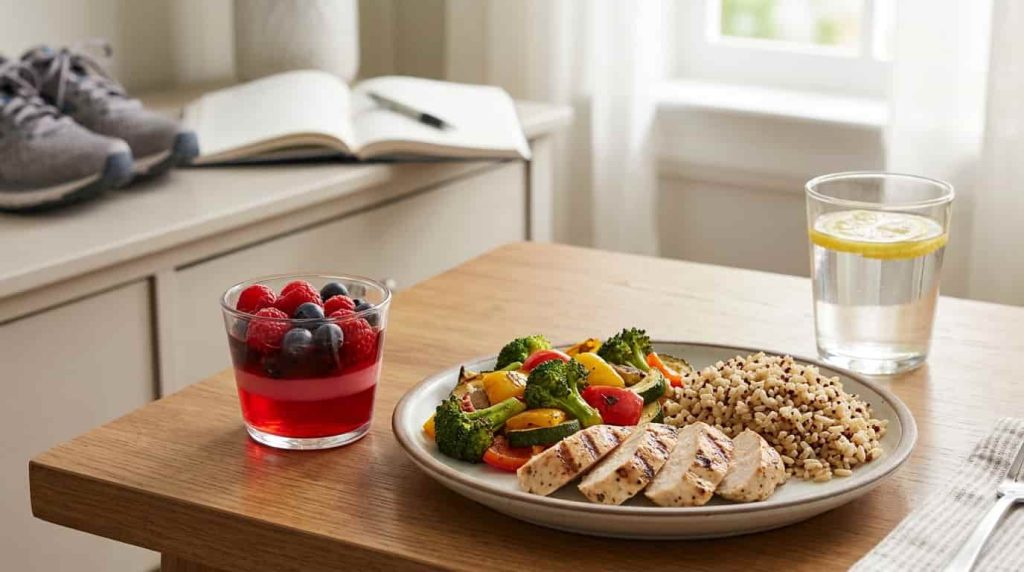
It should not replace a complete meal containing protein, vegetables, fiber-rich carbohydrates, and healthy fats.
Pair It With Protein and Fiber
However, plain gelatin probably will not stay fulfilling for lengthy and satisfying due to the fact it is low in fiber and truly low in whole protein.
Better combinations include:
Unflavored Greek yogurt with berry gelatin
Jelly Made With Fresh Fruit and Chia Seeds
A small gelatin cup with nuts
Yogurt gelatin mousse with berries
Post-food gelatin with fish, chicken, beans or tofu
However, these ingredients improve the nutritional quality of food products but also add extra calories. Serving size still matters.
Prioritize Complete Protein During Weight Loss
Preserving muscle is important when losing weight. Muscle loss can reduce strength and make long-term weight management harder.
Gelatin is not ideal for muscle preservation because its amino acid profile is incomplete. Better options include:
Eggs
Fish
Chicken or turkey
Milk
Greek yogurt
Cottage cheese
Soy foods
Quinoa
Beans combined with whole grains
Resistance training and adequate complete protein are more effective for maintaining muscle than gelatin alone.
Popular Gelatin Recipe Variations
Lemon Gelatin Water
Pour the warm gelatin beverage, now mixed with lemon juice. While lemon enhances the taste of water, it does not contribute to fat-burning or detoxification.
Gelatin Coffee
For an extra-protein-rich drink, dissolve some gelatin powder in hot coffee.
Watch the extras. When upgrading with sugar, flavored creamers, syrups and whipped toppings it can become an expensive calorie drink!
Green Tea Gelatin
Replace the water with unsweetened green tea. It has flavour and caffeine, but it is not what makes the recipe an actual weight-loss remedy.
If you are caffeine-sensitive, go for herbal tea.
Gelatin With Apple Cider Vinegar
Apple cider vinegar is added in some recipes. However, there is no evi-dence that combining it with gelatine improves fat loss in any meaningful way.
Vinegar can be irritating to the stomach, throat, and tooth enamel. It should always be diluted.
Gelatin With Collagen Powder
Collagen adds protein but doesn’t mean that you are full or lose weight.
Gelatin and collagen are both incomplete proteins. Otherwise, mixing them may create a soggy environment that’s completely uninviting.
Berry Gelatin Cups
Combine unflavored gelatin with no-sugar-added berry tea and fresh berries. Portion the mixture into indiviual containers for a simple grab and go dessert.
Greek Yogurt Gelatin Mousse
Reduce the amount of liquid when preparing gelatin, allow it to cool slightly and blend with vanilla Greek yogurt (plain) and top with berries.
Greek yogurt has more protein and makes your snack creamy and more filling!
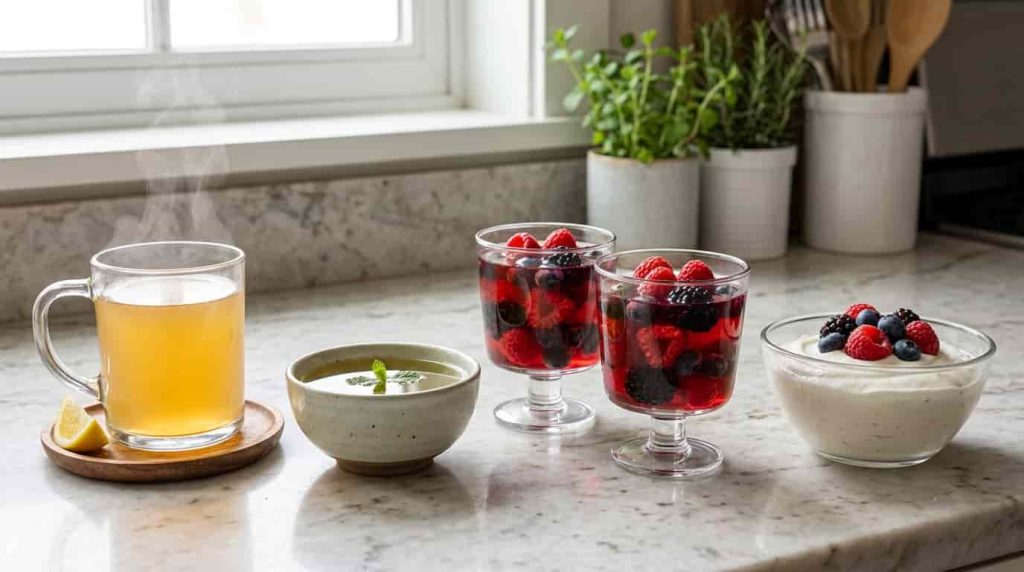
Popular variations include lemon gelatin water, green tea gelatin, berry cups, and Greek yogurt mousse.
Downsides of the Gelatin Diet
It could reduce the space occupied by nutritious foods
Replacing meals with gelatin may have the effects of lowering calories on a short term basis, but it also instead reduced fiber, vitamins, minerals and healthy fats along with other nutrients missing from your diet.
It is an incomplete protein
While gelatin is a protein, it should never substitute eggs, dairy, fish, poultry (including soy), quinoa and balanced plant-protein combinations.
It contains no fiber
Plain gelatin provides no fiber. Gelatin by itself is not a source of fiber, although it may be enhanced with berries or chia seeds in the recipe.
Flavored items can have additional unwanted constituents
Sugar, artificial sweeteners, dyes, flavourings, or additional sodium may be included in flavored gelatin. Before buying, be Sure to read the ingredient list and nutrition label.
It is not vegetarian or vegan
Animal tissue is where traditional gelatin derives itself from. Agar-agar and (also vegan) pectin are great plant-based substitutes, but they will change the way recipes behave and won’t increase the protein content.
Safety and Dietary Considerations
Most healthy adults can safely consume gelatin as a food. Bloating, Gastrointestinal discomfort (from indigestion, too much fullness or bad aftertaste) see.
Please consult a health professional prior to making any drastic changes in your eating patterns if you:
Are pregnant or breastfeeding
Have kidney or liver disease
Daily manage protein restriction in patients as prescribed by a doctor
Have swallowing difficulties
Have food allergies
Medications that are affected by dietary changes
Have a background of disordered eating
Anyone following halal or kosher diets must seek proper certification. However, the term “gelatin” does not specify animal origin.
Frequently Asked Questions
The Gelatin Trick For Losing Weight
This may result in temporary satiety, however evidence that shows it leads to significant or permanent weight loss is limited. It helps most when it is subbed for a high-calorie snack.
The gelatin pre-meal dose When should I drink gelatin before meals?
Most online recipes say around 15–30 minutes ahead of time before serving. It did not provide concrete proof that the timing is any better than just taking it at another time.
How much does it cost to take gelatin before each meal?
No. There is no need and it can also lead to going overboard with appetite suppression.
Is it better to drink gelatin in the morning?
You might have heard that there is a scientifically proven “best time”. Morning usage is more a social media suggestion than an evidence-based necessity.
Does gelatin increase metabolism?
Just barely through the regular thermic impact of protein. The increase is too little to yield weight loss.
Does gelatin reduce belly fat?
Q. Can gelatin work on spot-targeting fat? No, it cannot.
Does warm gelatin get a proper attention instead of chilled gelatin?
There’s no proof that one type is better than the other for weight loss. The difference is mostly between the texture and the preference.
Is gelatin a usable protein shake substitute?
Not fully. Most protein shakes as complete proteins like whey, casein or soy or blended plant protein. Gelatin is not as rich in amino acids.
Can I eat gelatin every day?
If you can tolerate it, small doses may be included into a nutritious diet. This should never be used in place of whole protein sources or healthy meals.
For starters, is Jell-O the same thing as gelatin?
Jello is a brand of sweetened gelatin products and many of these contain sugar, sweeteners, colors and flavorings. This means that plain unflavored gelatin is just one simple ingredient.
Final Verdict
A low-sugar gelatin recipe for weight loss can be a useful dessert or snack replacement.Cheap, simple to make and known for temporary satiety enhancement.
It cannot burn fat, precisely target your abdomen, nor, of itself will even help to reduce calorie consumption. There is limited evidence suggesting that it may help with long-term weight loss; however, gelatin is not nutritionally complete enough to replace meals or high-quality protein.
Include a little of it, in the context of a well-rounded plan based on good real food meals, appropriate exercise (or otherwise physical activity), sufficient rest and sleep, stress management, and easy calorie control.
Gelatin works best as a portion-controlled snack within a balanced eating plan.


Bloom the gelatin in cold water before dissolving it in hot liquid and adding flavor.