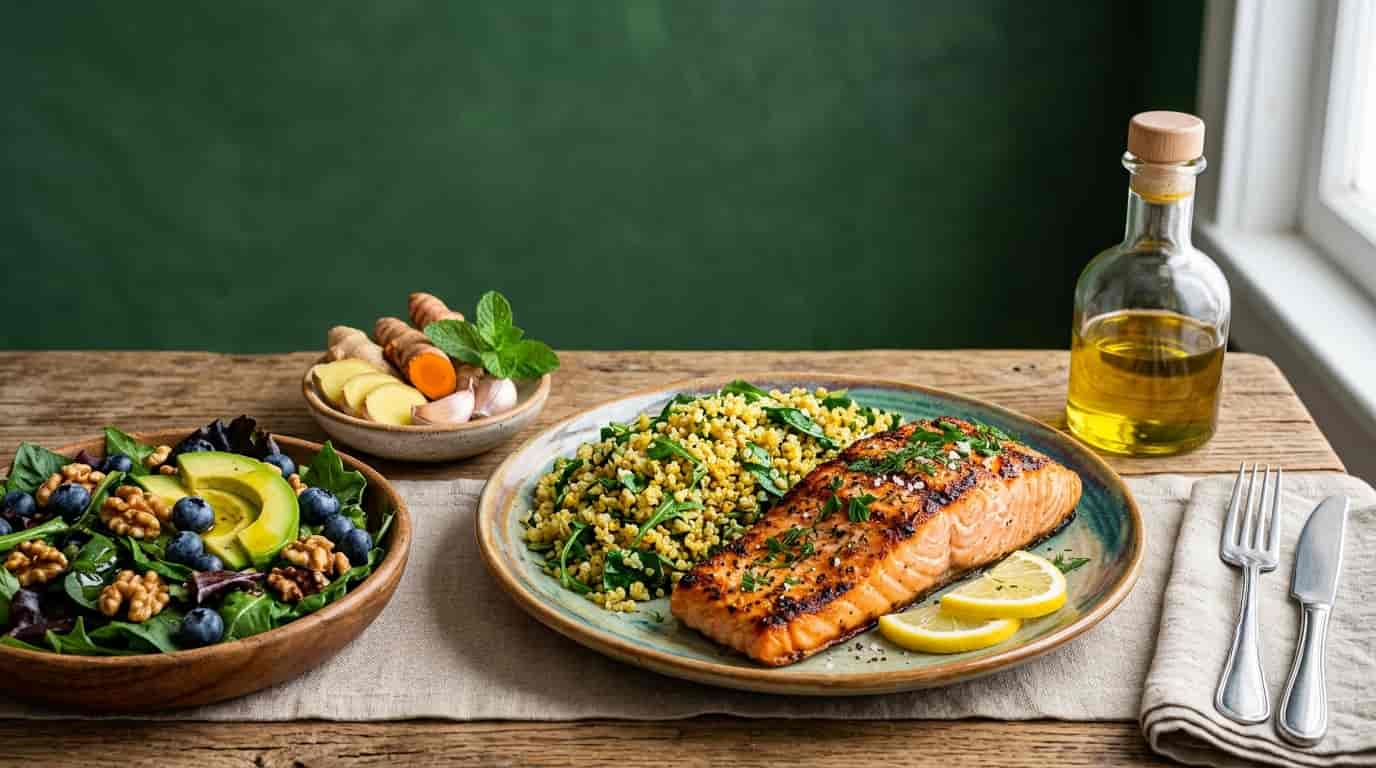
Have you ever had one of those days when you wake up feeling sore, tired, and somehow older than you did the night before?
I have.
For years, I assumed it was just part of getting busy with life. Work stress. Not enough sleep. Too much coffee. Maybe all of the above.
But here’s the interesting part.
Scientists now know that many of these everyday complaints can be connected to something happening quietly inside the body—chronic, low-grade inflammation.
Don’t panic. Inflammation isn’t always the villain.
In fact, it’s one of your body’s smartest defense systems. If you cut your finger or catch a cold, inflammation helps you heal. That’s exactly what it’s supposed to do.
The problem begins when that internal alarm never really switches off.
Modern eating habits, poor sleep, chronic stress, smoking, inactivity, and highly processed foods can keep the body in a constant state of inflammation. Over months and years, this may increase the risk of heart disease, type 2 diabetes, arthritis, certain digestive disorders, and even depression.
The encouraging news?
Your plate has more influence than you might think.
That’s where an anti inflammatory diet comes in.
This isn’t another trendy eating plan that promises impossible results in seven days. It isn’t about cutting out entire food groups or surviving on expensive “superfoods.”
Instead, it’s a sustainable eating pattern built around real foods that help your body work with its natural healing systems rather than against them.
Actually, recent nutrition science has become much better at measuring how foods influence inflammation.
Researchers now use something called the Empirical Dietary Inflammatory Pattern (EDIP) score to estimate whether someone’s overall eating pattern promotes or reduces inflammation. Findings presented at the ASCO 2025 Annual Meeting showed that people with Stage III colon cancer who combined a low-inflammatory eating pattern with regular exercise experienced a dramatically lower risk of death compared with those following highly inflammatory diets.
That’s a reminder of something important.
Food isn’t magic.
But food is powerful.
Throughout this guide, I’ll show you what the latest research says, which anti inflammatory foods deserve space on your plate, which myths need to disappear, and how small daily habits can quietly improve your health over time.
Let’s begin by understanding what’s actually happening inside your body.
Understanding Inflammation: Why Your Body Isn’t Working Against You
People often hear the word “inflammation” and immediately think something has gone terribly wrong.
That’s not quite true.
Inflammation is actually one of the most impressive survival tools your body has.
Imagine stepping on a sharp object.
Within seconds, your immune system sends specialized cells to protect the injured area. Blood flow increases. Healing begins. The redness and swelling are signs that your body is doing exactly what it should.
That’s called acute inflammation.
It’s temporary.
It’s helpful.
It saves lives.
The trouble starts when inflammation sticks around long after it’s needed.
Acute vs. Chronic Inflammation
Think of it this way.
Acute inflammation is like firefighters responding to a house fire.
Chronic inflammation is like those firefighters never leaving—even after the fire is gone.
Over time, that constant immune activity begins damaging healthy tissues.
Instead of protecting the body, it slowly wears it down.
Researchers have linked chronic inflammation with:
- Heart disease
- Type 2 diabetes
- Obesity
- Fatty liver disease
- Rheumatoid arthritis
- Psoriasis
- Alzheimer’s disease
- Depression
- Some cancers
No single meal causes these conditions.
It’s the overall dietary pattern that matters.
That’s why experts now focus less on individual “good” or “bad” foods and more on the relationship between inflammatory and anti inflammatory foods over months and years.
How Food Talks to Your Immune System
Here’s something I find fascinating.
Food isn’t simply fuel.
Every bite sends chemical messages throughout your body.
Colorful berries provide polyphenols.
Extra virgin olive oil contains oleocanthal.
Fatty fish supply omega-3 fats.
Leafy greens deliver antioxidants.
Together, these compounds help reduce inflammatory messengers such as TNF-α and IL-6, two cytokines closely linked with chronic inflammation.
It’s almost like turning down the volume on an overactive immune response.
At the same time, diets packed with sugary drinks, refined carbohydrates, trans fats, and ultra-processed snacks tend to do the opposite.
They keep the inflammatory “volume” turned up.
The Gut Is Running More of the Show Than You Think
Ever wondered why digestive health seems connected to everything?
There’s a good reason.
Your gut houses trillions of bacteria that constantly communicate with your immune system and even your brain.
Scientists call this the gut-brain axis.
When beneficial bacteria are well-fed, they produce short-chain fatty acids (SCFAs), especially butyrate.
These compounds help calm inflammation, strengthen the gut lining, and support healthy immune function.
That’s one reason modern dietary guidelines increasingly recommend foods that naturally encourage SCFA production.
We’ll talk about exactly how to do that later.

What an Anti Inflammatory Diet Really Looks Like
Here’s where many people get confused.
They imagine they’ll need exotic powders, expensive supplements, or impossible meal plans.
Not at all.
An anti inflammatory diet is surprisingly ordinary.
It simply emphasizes foods that have consistently been associated with lower levels of chronic inflammation while reducing foods linked with inflammatory responses.
The Foods You’ll Want More Often
If I were stocking a kitchen from scratch, I’d start here.
Healthy fats:
- Extra virgin olive oil
- Avocados
- Walnuts
- Almonds
- Chia seeds
- Flaxseeds
Protein sources:
- Wild salmon
- Sardines
- Trout
- Lentils
- Chickpeas
- Beans
- Tempeh
- Skinless poultry
High-fiber carbohydrates:
- Oats
- Quinoa
- Brown rice
- Sweet potatoes
- Barley
Vegetables:
- Spinach
- Kale
- Broccoli
- Tomatoes
- Bell peppers
- Mushrooms
- Carrots
Fruit:
- Blueberries
- Strawberries
- Oranges
- Cherries
- Apples
- Pomegranates
Flavor boosters:
- Garlic
- Ginger
- Turmeric
- Rosemary
- Cinnamon
These foods naturally provide fiber, antioxidants, vitamins, minerals, and plant compounds that support immune balance.
The Foods Worth Limiting
Notice I didn’t say “ban forever.”
That’s an important distinction.
Instead, try eating less of:
- Sugary soft drinks
- Candy
- Pastries
- White bread
- Processed meats
- Deep-fried fast food
- Hydrogenated trans fats
- Highly processed snack foods
An occasional treat isn’t the issue.
The everyday pattern is.
One Diet, Many Benefits
People often start an anti inflammatory diet hoping to lose weight.
Sometimes they do.
But that’s rarely the biggest reward.
Many people report:
- More stable energy
- Fewer afternoon crashes
- Better concentration
- Improved digestion
- Reduced joint discomfort
- Better blood sugar control
- Healthier cholesterol levels
- Improved mood
Researchers are even finding stronger evidence that anti-inflammatory eating patterns may reduce depressive symptoms by supporting the gut-brain connection and lowering inflammatory biomarkers that contribute to fatigue and low mood.
To be honest, that’s one of my favorite parts of this topic.
Healthy eating isn’t just about adding years to your life.
It’s also about adding life to your years.

The Best Anti Inflammatory Foods Backed by Science
By now, you know that an anti inflammatory diet isn’t built around one miracle ingredient.
That’s actually good news.
You don’t have to chase trendy powders or spend half your paycheck at a health food store.
Instead, think about building meals that work together. Small choices. Every day.
Over time, those choices can add up to big changes.
Extra Virgin Olive Oil: The Liquid Gold
If I could recommend just one pantry staple, this would probably be it.
Extra virgin olive oil (often called EVOO) has been a cornerstone of the Mediterranean diet for centuries. Scientists now understand why.
It’s rich in healthy monounsaturated fats and polyphenols that help calm inflammatory pathways.
One special compound, oleocanthal, behaves surprisingly like ibuprofen by influencing similar inflammation-related enzymes.
Here’s a tip many people never hear.
You can cook with quality EVOO because it’s more heat-stable than many assume thanks to its natural antioxidants.
But if you’re chasing maximum anti-inflammatory benefits, use some as a finishing oil too.
Drizzle it over roasted vegetables.
Pour a little over soup.
Add it to cooked fish just before serving.
That simple habit helps preserve more delicate plant compounds.
Little trick.
Big payoff.
Fatty Fish Feed More Than Your Heart
Salmon usually gets all the attention.
It deserves it.
But sardines, trout, herring, anchovies, and mackerel are equally impressive.
These fish provide EPA and DHA omega-3 fatty acids.
Those fats become part of your cell membranes, making them less likely to produce inflammatory compounds.
Aim for two servings each week if possible.
Not a fish fan?
Ground flaxseed, chia seeds, and walnuts offer plant omega-3s called ALA.
Your body converts only a small amount into EPA and DHA, but they still contribute to a healthier eating pattern.
Colorful Fruits Are Nature’s Tiny Pharmacies
Ever noticed how the brightest foods often look the most inviting?
There’s a reason.
Those vibrant colors usually come from powerful antioxidants.
Some excellent choices include:
- Blueberries
- Blackberries
- Strawberries
- Cherries
- Pomegranates
- Oranges
- Grapes
These fruits contain polyphenols that help neutralize oxidative stress, one of the major drivers of chronic inflammation.
Here’s something worth remembering.
Frozen berries are just as nutritious as fresh ones in many cases.
Don’t let perfect become the enemy of practical.
Leafy Greens and Cruciferous Vegetables
If vegetables had a superhero team, these would be leading it.
Think:
- Spinach
- Kale
- Swiss chard
- Broccoli
- Brussels sprouts
- Cabbage
- Bok choy
They’re packed with vitamins, minerals, fiber, and plant chemicals that support detoxification and immune balance.
I like roasting broccoli with garlic and finishing it with olive oil and lemon.
Simple.
Delicious.
No fancy recipe required.
Whole Grains That Keep Blood Sugar Steady
Refined carbohydrates often create rapid spikes and crashes.
Whole grains behave differently.
Because they’re rich in fiber, digestion slows down.
That means steadier energy and fewer inflammatory swings linked to high blood sugar.
Great options include:
- Steel-cut oats
- Quinoa
- Brown rice
- Barley
- Buckwheat
They also nourish beneficial gut bacteria.
And healthy gut bacteria make anti-inflammatory compounds called short-chain fatty acids.
Everybody wins.
Legumes: Quiet Nutrition Champions
Beans rarely become social media stars.
Honestly, they deserve better.
Lentils, chickpeas, kidney beans, black beans, and peas provide:
- Plant protein
- Fiber
- Iron
- Magnesium
- Folate
They’re filling, affordable, and incredibly versatile.
If someone asked me for the most budget-friendly anti inflammatory foods, legumes would be near the top of the list.
Fermented Foods May Surprise You
One myth refuses to disappear.
People often believe everyone should eliminate dairy.
The science doesn’t agree.
Unless someone has celiac disease, lactose intolerance, or a medically diagnosed allergy, fermented dairy may actually support health.
Foods like:
- Greek yogurt
- Kefir
contain beneficial bacteria that support the gut microbiome.
A healthier microbiome often means lower systemic inflammation.
It’s another reminder that nutrition isn’t black and white.
Expert Nutrition Secrets Most Articles Miss
Now we’re getting into the fun stuff.
These are the little strategies dietitians quietly recommend that don’t always make the headlines.
Secret #1: Turmeric Needs a Partner
Everyone has heard about turmeric.
Few people know its biggest weakness.
Curcumin—the active compound inside turmeric—is absorbed very poorly by itself.
Luckily, there’s an easy fix.
Add just a small pinch of black pepper.
Black pepper contains piperine, which can increase curcumin absorption dramatically—by as much as 2,000% in research settings.
That’s why traditional curries often combine both spices.
Sometimes old cooking traditions knew things science only later confirmed.
Secret #2: Cool Your Carbs
This one surprised me the first time I learned it.
Cook rice today.
Place it in the refrigerator overnight.
Eat it tomorrow.
Something interesting happens.
Part of the starch changes into resistant starch.
Instead of being digested quickly, resistant starch travels into the large intestine.
There, beneficial bacteria convert it into butyrate, one of the body’s most valuable short-chain fatty acids.
Butyrate helps:
- Support gut health
- Reduce inflammation
- Improve insulin sensitivity
- Nourish cells lining the colon
The same trick works with:
- Potatoes
- Pasta
- Oats
Yes, leftover potato salad suddenly sounds much smarter.
Secret #3: Herbs Count More Than You Think
People focus on calories.
I pay attention to flavor.
Fresh herbs add anti-inflammatory plant compounds without adding sugar or excess sodium.
Use plenty of:
- Rosemary
- Basil
- Oregano
- Parsley
- Cilantro
- Dill
- Thyme
Your meals become tastier.
Your body gets more beneficial phytochemicals.
That’s a win-win.
Common Myths About an Anti Inflammatory Diet
Nutrition myths spread faster than facts.
Let’s clear up a few.
Myth: Nightshades Cause Inflammation
You’ve probably heard someone blame tomatoes or peppers for joint pain.
Current clinical evidence doesn’t support this claim for most people.
Tomatoes contain lycopene, a powerful antioxidant linked with lower inflammation.
Eggplants and peppers also provide valuable nutrients.
Unless you notice a personal sensitivity confirmed with your healthcare provider, there’s usually no reason to avoid them.
Myth: Gluten and Dairy Are Always Bad
Not true.
Someone with celiac disease absolutely needs a gluten-free diet.
Someone with lactose intolerance needs a different approach too.
But healthy people don’t automatically benefit from removing these foods.
Fermented dairy products like Greek yogurt and kefir may actually improve gut health.
The goal is personalization.
Not unnecessary restriction.
Myth: One Superfood Can Fix Everything
Wouldn’t that be nice?
Unfortunately, no single food can erase months or years of unhealthy habits.
A handful of blueberries won’t cancel daily fast food.
Likewise, one salad doesn’t undo chronic sleep deprivation.
Long-term eating patterns matter far more than individual meals.
That’s the real power of an anti inflammatory diet.
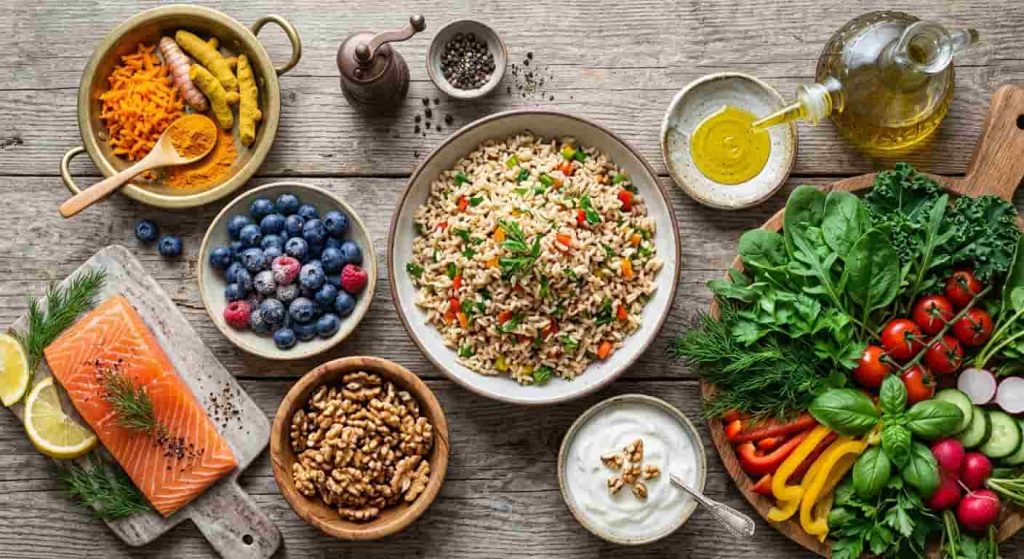
Putting an Anti Inflammatory Diet Into Practice
Reading about healthy eating is one thing.
Living it every day is another.
The good news?
You don’t have to change everything by Monday morning.
In my experience, people who make one or two sustainable changes usually stay consistent much longer than those who attempt a complete kitchen makeover overnight.
Start small.
Build momentum.
Let healthy habits become automatic.
A Simple 7-Day Anti Inflammatory Diet Meal Plan
This sample plan isn’t meant to be followed perfectly. Think of it as inspiration that you can adjust to your taste, budget, and dietary needs.
Day 1
Breakfast
- Overnight oats with blueberries, walnuts, and chia seeds
Lunch
- Quinoa salad with chickpeas, cucumber, tomatoes, spinach, and extra virgin olive oil
Snack
- Apple with almond butter
Dinner
- Baked salmon, roasted broccoli, and sweet potato
Day 2
Breakfast
- Greek yogurt with mixed berries and pumpkin seeds
Lunch
- Lentil soup with a side salad
Snack
- Handful of walnuts
Dinner
- Grilled chicken, brown rice, and steamed green beans
Day 3
Breakfast
- Vegetable omelet with spinach and mushrooms
Lunch
- Whole-grain wrap filled with hummus and roasted vegetables
Snack
- Orange slices
Dinner
- Sardines with quinoa and roasted Brussels sprouts
Day 4
Breakfast
- Smoothie made with spinach, berries, kefir, and flaxseed
Lunch
- Chickpea curry served with cooled brown rice
Snack
- Carrot sticks with hummus
Dinner
- Turkey breast with roasted vegetables
Day 5
Breakfast
- Whole-grain toast with avocado and tomato
Lunch
- Mediterranean tuna salad
Snack
- Fresh cherries
Dinner
- Grilled shrimp with barley and asparagus
Day 6
Breakfast
- Oatmeal topped with cinnamon and sliced pear
Lunch
- Bean salad with olive oil dressing
Snack
- Mixed nuts
Dinner
- Baked trout with kale and roasted carrots
Day 7
Breakfast
- Greek yogurt parfait with berries and walnuts
Lunch
- Lentil and vegetable stew
Snack
- Kiwi fruit
Dinner
- Roasted chicken, sweet potato, and sautéed spinach
Remember, perfection isn’t the goal.
Consistency is.
Even following this style of eating 80–90% of the time can make a meaningful difference.
Real-Life Stories That Show Why It Works
Nutrition research is valuable.
Real people make it relatable.
Case Study 1: The Busy Executive
A 45-year-old executive arrived at a dietitian’s office exhausted.
Brain fog.
Afternoon crashes.
Gradual weight gain around the waist.
Blood tests revealed an elevated high-sensitivity C-reactive protein (hs-CRP) level of 4.2 mg/L, suggesting increased systemic inflammation.
Instead of prescribing an extreme diet, the dietitian recommended several manageable changes:
- Replace refined grains with oats and quinoa.
- Eat a daily handful of walnuts.
- Swap sugary soft drinks for green tea.
- Include vegetables at both lunch and dinner.
- Cook with olive oil instead of refined seed oils.
Eight weeks later, the results were encouraging.
hs-CRP dropped to 1.5 mg/L.
Energy improved.
Brain fog disappeared.
The biggest surprise?
The patient said the changes felt realistic enough to continue for life.
Case Study 2: Managing Crohn’s Disease
Another patient, a 28-year-old living with mild Crohn’s disease, experienced frequent flare-ups and constant fatigue.
Working alongside their gastroenterologist and registered dietitian, they adopted a Mediterranean-inspired anti inflammatory diet focused on:
- Cooked vegetables that were easier to digest during flare-ups
- Extra virgin olive oil
- Wild salmon
- Easily tolerated whole foods
- Careful hydration
Over time, inflammatory markers improved, symptoms became less frequent, and the patient maintained remission while reducing corticosteroid use under medical supervision.
These examples highlight an important point.
Food doesn’t replace medical treatment.
It often works best alongside it.
Foods to Eat More Often—and Foods to Limit
Here’s a quick reference you can save for future grocery trips.
| Focus Area | Include More | Limit or Reduce |
|---|---|---|
| Healthy Fats | Extra virgin olive oil, avocado, walnuts, flaxseed, salmon | Hydrogenated fats, trans fats, heavily processed seed oils |
| Carbohydrates | Oats, quinoa, barley, brown rice, sweet potatoes, berries | White bread, pastries, sugary cereals, soda |
| Protein | Lentils, beans, chickpeas, salmon, sardines, poultry, tempeh | Processed meats, heavily charred red meat |
| Dairy | Greek yogurt, kefir (if tolerated) | Highly sweetened dairy desserts |
| Drinks | Water, green tea, herbal tea | Sugary beverages and excessive alcohol |
| Herbs & Spices | Turmeric, black pepper, garlic, ginger, rosemary | Heavy artificial sauces with excess sodium and additives |
Lifestyle Habits That Help Lower Inflammation
Here’s something many articles overlook.
Food matters.
But it’s only one piece of the puzzle.
An anti inflammatory diet becomes much more effective when paired with healthy daily habits.
Prioritize Quality Sleep
Adults generally need seven to nine hours of quality sleep each night.
Poor sleep can increase inflammatory markers and disrupt blood sugar regulation.
Your evening routine matters more than you might think.
Move Your Body Regularly
You don’t need marathon training.
Walking.
Swimming.
Cycling.
Strength training.
Gardening.
They all count.
Recent clinical findings even suggest that combining regular exercise with a low-inflammatory dietary pattern provides greater health benefits than either strategy alone.
Learn to Manage Stress
Long-term stress keeps cortisol elevated.
That can contribute to ongoing inflammation.
Helpful strategies include:
- Deep breathing
- Meditation
- Yoga
- Spending time outdoors
- Reading
- Talking with supportive friends
Choose whatever helps you slow down.
Don’t Forget Hydration
Water supports nearly every system in the body.
Aim to drink regularly throughout the day rather than waiting until you’re thirsty.
Frequently Asked Questions
How quickly can I notice results?
Some people report better digestion and steadier energy within two to four weeks. Improvements in blood markers often take several weeks or months, depending on individual health and consistency.
Can an anti inflammatory diet help with weight loss?
Yes, although weight loss isn’t its primary purpose. Because this eating pattern emphasizes filling, nutrient-rich foods, many people naturally reduce calorie intake without feeling deprived.
Is coffee inflammatory?
For most healthy adults, moderate coffee consumption appears neutral or even beneficial due to its antioxidant content. The biggest issue is often what gets added to it—large amounts of sugar, flavored syrups, and heavy cream.
Do I need supplements?
Not necessarily.
Most people benefit most from improving their overall eating pattern first. Supplements should only be considered after discussing them with a healthcare professional.
Is this diet vegetarian-friendly?
Absolutely.
Beans, lentils, tofu, tempeh, nuts, seeds, whole grains, fruits, vegetables, and healthy fats form an excellent plant-based anti-inflammatory foundation.
Read More: 17 Powerful High Fiber Foods for Constipation That Help You Feel Lighter Naturally
Final Thoughts
If there’s one lesson I’d like you to remember, it’s this:
There isn’t a single “perfect” food.
And there isn’t a single “bad” meal that ruins everything.
Health is built through patterns.
An anti inflammatory diet isn’t about chasing the latest nutrition trend or filling your shopping cart with expensive “superfoods.” It’s about consistently choosing more anti inflammatory foods, enjoying a wide variety of colorful ingredients, and gradually replacing highly processed options with nourishing whole foods.
Science continues to strengthen this message. Researchers now understand far more about how food influences the immune system, the gut microbiome, brain health, and even long-term disease risk. The evidence keeps pointing in the same direction: a balanced dietary pattern rich in vegetables, fruits, legumes, whole grains, healthy fats, herbs, spices, and quality proteins supports better overall health.
Start with one meal.
Then one habit.
Then another.
Long story short, lasting health rarely comes from dramatic changes. It grows from small decisions repeated every single day.
Your future self will almost certainly thank you for every one of them.
Disclaimer: This article is for educational purposes only and is not a substitute for professional medical advice, diagnosis, or treatment.
Please wait to go to the next post: 30 seconds
Go to Next Post