
You know the scene.
You’re standing in the kitchen. The mixing bowl is ready. The cinnamon is out. Maybe you’ve even melted the butter already. Then you grab the bananas sitting on the counter…
Bright green.
Hard as a baseball.
Honestly, it feels personal.
I can’t count how many times I’ve craved warm banana bread or a creamy smoothie only to realize my bananas were still stuck in their “just picked from the tree” phase. And waiting three days? Not happening when the craving hits now.
Here’s the good news: you can ripen bananas fast. Really fast.
I’m talking about turning stubborn green bananas soft and usable in as little as 15 minutes. Sometimes even five.
The trick is understanding what’s actually happening inside the fruit. Bananas are climacteric fruits, which means they continue to ripen after being picked. During the natural ripening process, starch conversion takes place. The dense starches slowly become sugars, which is why ripe bananas taste sweeter, softer, and smell like heaven in banana bread.
That transformation is usually triggered by ethylene gas, a natural plant hormone. But with a few clever baking hacks, we can speed things up dramatically.
And no, you don’t need fancy kitchen equipment.
Just a little heat. Maybe an apple. And a tiny bit of patience.
By the end of this guide, you’ll know:
- How to ripen green bananas in 15 minutes
- The best temperature to ripen bananas in oven safely
- Whether the microwave banana hack actually works
- Why air fryers are secretly amazing for softening bananas quickly
- The difference between soft bananas and truly sweet bananas
- Which method works best for banana bread, smoothies, pancakes, or baking emergencies
Long story short: your banana bread dreams are still alive.
Disclaimer: This article is for educational and culinary purposes only and is not medical advice.
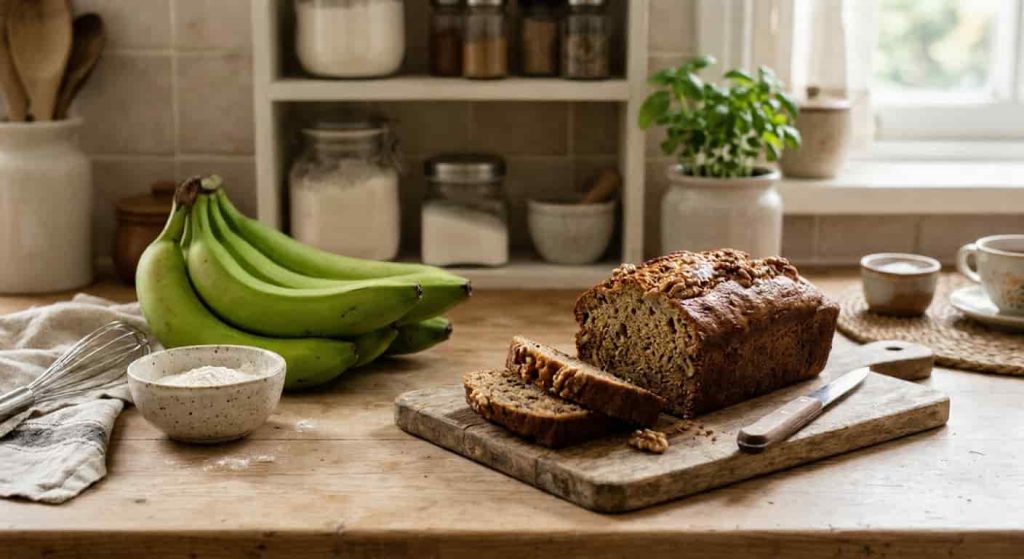
The 15-Minute Flash Ripen Method That Actually Works
If you only remember one thing from this article, make it this:
The oven method is the MVP.
I’ve tested nearly every shortcut imaginable. Paper bags. Sunny windowsills. Wrapping bananas in towels like tiny fruit burritos. Nothing beats the oven when you need ripe bananas fast for baking.
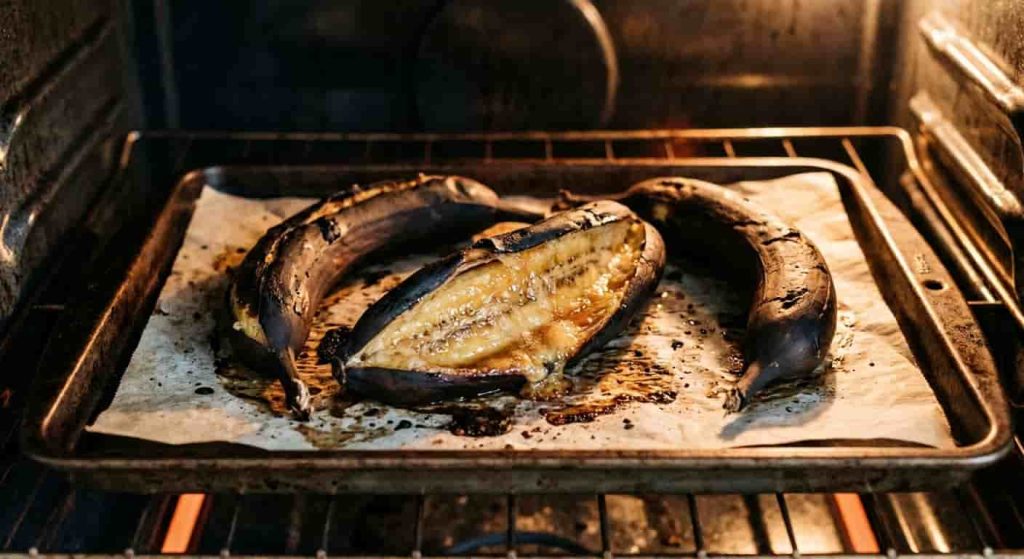
And yes, the banana peels will turn black.
Don’t panic.
That’s exactly what you want.
Why the Oven Ripening Method for Bananas Works
Here’s the deal.
Heat accelerates the breakdown of the banana’s cell walls. That means the fruit softens rapidly, mimicking the natural ripening process. The warmth also encourages faster starch conversion, helping the fruit taste sweeter instead of just mushy.
It’s not identical to naturally ripened bananas. But for banana bread, muffins, pancakes, or smoothies? It’s shockingly good.
Actually, I sometimes prefer it for baking because the texture becomes ultra-soft and easy to mash.
Step-by-Step Oven Method
This is the exact method I use.
What You Need
- Green or yellow-green bananas
- Baking tray
- Parchment paper or foil
- Oven
Instructions
- Preheat your oven to 300°F (150°C).
- Line a baking tray with parchment paper.
- Place whole unpeeled bananas directly on the tray.
- Bake for 15–20 minutes.
- Watch for the skins to turn dark brown or black.
- Remove and let cool for 5 minutes.
- Peel and use immediately.
That’s it.
The inside becomes soft, glossy, and naturally sweet. Perfect for softening bananas for banana bread quickly.
The Weird Black Peel Thing
People always worry about this part.
The skins look burned. Almost alarming.
But inside? Gold.
The peel darkens because the sugars and pigments react to heat much faster than the fruit itself. The banana flesh stays creamy and moist.
Think of it like roasting vegetables. The outside caramelizes while the inside becomes tender.
Same concept.
Best Uses for Oven-Ripened Bananas
This method shines in recipes where texture matters more than perfectly developed sweetness.
It works beautifully for:
- Banana bread
- Muffins
- Pancakes
- Waffles
- Smoothies
- Oatmeal
- Banana cake
I probably wouldn’t use oven-ripened bananas for fruit platters or fancy desserts where fresh banana flavor is the star. But for baking? Fantastic.
Pro Tip
If your bananas are extremely green and rock-hard, leave them in for closer to 25 minutes. Slightly yellow bananas may only need 12–15 minutes.
Trust the softness more than the clock.
Why Bakers Love Very Ripe Bananas
There’s another little science trick happening here.
Very ripe bananas react better with baking soda because of their acidity level. That reaction creates more lift in baked goods. Translation?
Fluffier banana bread.
Higher rise.
Better texture.
This is why old spotty bananas make bakery-style banana bread taste so ridiculously good.
And honestly? Once you understand this, you’ll stop throwing ripe bananas away forever.
The 5-Minute Emergency Banana Trick
Okay. Let’s say you’re really desperate.
The oven feels too slow.
You need ripe bananas immediately because guests are coming over, your blender is already running, or your child suddenly decided banana pancakes are the only acceptable breakfast on Earth.
That’s where the microwave banana hack enters the chat.
Is it perfect?
No.
Is it fast?
Almost suspiciously fast.
How the Microwave Banana Hack Works
Microwaves heat water molecules inside the fruit rapidly. This softens the banana flesh within minutes.
But there’s a catch.
Unlike slow natural ripening or even the oven method, the microwave doesn’t fully develop sweetness the same way. It mainly softens the fruit rather than deeply enhancing flavor.
That distinction matters.
Ripening bananas vs. baking bananas are technically two different things. A soft banana isn’t always a sweet banana.
Still, for emergencies, this trick absolutely saves the day.
Step-by-Step Microwave Method
What You Need
- 1–2 bananas
- Fork or knife
- Microwave-safe plate
Instructions
- Leave the banana peel on.
- Poke several holes all over the peel using a fork.
- Place on a microwave-safe plate.
- Microwave for 30 seconds.
- Check softness.
- Continue in 30-second intervals if needed.
Usually, 1–2 minutes total is enough.
Why You Must Poke Holes
Seriously. Don’t skip this.
Steam builds up inside the banana during heating. Without small holes for release, the banana can burst open dramatically.
And cleaning exploded banana goo from a microwave? A truly humbling experience.
Microwave Banana Hack Safety
A quick note here because people ask this a lot.
Yes, this method is generally safe for food preparation when done properly. The key is moderate heating and venting the peel to prevent pressure buildup.
If the peel starts splitting aggressively or smoking, stop immediately.
Also, microwaved bananas become extremely hot inside. Weirdly hot. Lava-level hot.
Let them cool before handling.
Pros and Cons of the Microwave Method
Pros
- Extremely fast
- Great for smoothies
- Works in tiny kitchens
- No preheating required
Cons
- Less sweetness development
- Texture can become uneven
- Not ideal for premium banana bread
- Can turn slightly watery
Personally, I use the microwave trick mostly for oatmeal, quick pancakes, or smoothies.
For serious baking? I still vote oven every time.
Pro Tip
Want better flavor from microwaved bananas?
After microwaving, let them rest for 5–10 minutes. Residual heat continues softening the fruit and slightly improves sweetness.
Small difference. But noticeable.

The Air Fryer Banana Ripening Hack That’s Weirdly Brilliant
I’ll admit it.
The first time I heard someone say they ripened bananas in an air fryer, I laughed a little. It sounded like one of those internet kitchen hacks that either changes your life or starts a small fire.
Turns out?
It actually works ridiculously well.
And in some kitchens, it’s even better than the oven method.
Why? Because air fryers circulate hot air in a tight space. That concentrated airflow softens bananas faster and more evenly without heating your whole kitchen like a sauna.
If you live somewhere hot and humid, you already know the pain of turning on the oven during summer. Your banana bread craving suddenly becomes a climate event.
The air fryer solves that.
How to Ripen Bananas in an Air Fryer
You’ve got two good options here.
A standard low-heat setting or the “dehydrate” function if your air fryer has one.
Method 1: Low Heat Air Fryer
- Preheat the air fryer to 300°F (150°C).
- Place whole bananas inside the basket.
- Cook for 8–12 minutes.
- Flip halfway through if needed.
- Remove once the peels turn dark and glossy.
Done.
The bananas become soft, sweet, and ready for baking almost immediately.
Method 2: Dehydrate Setting
This method is slower but produces a deeper sweetness.
If your air fryer includes a dehydrate mode:
- Set it between 130°F–150°F
- Leave bananas inside for 30–40 minutes
The lower temperature encourages gradual starch conversion instead of aggressive softening.
Translation?
Better flavor.
Why the Air Fryer Works Faster Than an Oven
Small space. Constant airflow. Focused heat.
That combination breaks down the banana’s structure quickly while preventing cold spots.
Honestly, it’s kind of perfect for softening bananas for banana bread quickly.
The texture comes out beautifully creamy.
Best Recipes for Air Fryer-Ripened Bananas
I especially love this method for:
- Banana muffins
- Protein smoothies
- Banana oatmeal cookies
- Banana pancakes
- Frozen banana desserts
- Quick breads
The sweetness lands somewhere between naturally ripened bananas and oven-ripened bananas. It’s a nice middle ground.
One Thing Most People Don’t Realize
Very green bananas may still taste slightly starchy even after heating.
That’s normal.
Heat softens bananas fast, but sweetness takes a little more time because sugar development isn’t purely about softness. Ethylene gas and natural enzymes still play a role.
Which brings us to the next trick.
And honestly, this one feels almost magical.

The Overnight Banana Trick Using Ethylene Gas
Now we’re moving from “speed” to “strategy.”
If you can wait overnight, this method gives you bananas that taste much closer to naturally ripened fruit. Sweeter. More aromatic. Better texture.
And the best part?
Science does most of the work.
What Is Ethylene Gas?
Bananas naturally release ethylene gas as they mature.
This gas acts like a tiny biological messenger telling the fruit:
“Hey. Time to ripen.”
That’s why bananas sitting together on the counter all seem to turn yellow at the exact same moment. They’re basically gossiping chemically.
Actually, apples, tomatoes, pears, and avocados release ethylene too.
Which means you can use them to accelerate banana ripening naturally.
Pretty clever, right?
The Paper Bag and Apple Hack
This is the classic method for a reason.
It works.
Here’s How to Do It
- Place green bananas inside a brown paper bag.
- Add one ripe apple or tomato.
- Fold the top loosely closed.
- Leave at room temperature for 12–24 hours.
That trapped ethylene gas speeds up the ripening process dramatically.
Sometimes the bananas are ready overnight. Extra green bananas may need 48 hours.
Still much faster than leaving them exposed on the counter.
Why Paper Bags Work Better Than Plastic
This part matters.
Paper traps enough ethylene gas while still allowing airflow. Plastic bags can trap too much moisture, which encourages mold and unpleasant texture changes.
Nobody wants sweaty bananas.
Paper keeps the environment balanced.
The Chemical Process of Ethylene Gas in Fruit
Here’s the simplified version.
Ethylene activates enzymes inside the banana. Those enzymes begin breaking complex starches into simple sugars like:
- Glucose
- Fructose
- Sucrose
That’s why ripened bananas become sweeter and softer over time.
In fact, the starch content in bananas can drop from around 20% to less than 1% during full ripening.
Wild, honestly.
This is also why banana bread made with spotted bananas tastes dramatically richer than bread made with yellow bananas.
The sugars are already developed before baking even begins.
Pro Tip
Want even faster results?
Separate each banana slightly inside the bag instead of leaving them tightly clustered. Better airflow means more even exposure to ethylene gas.
Tiny detail. Big difference.
The Difference Between Soft Bananas and Truly Ripe Bananas
This part confuses a lot of people.
Soft does not always mean ripe.
You can soften bananas with heat in minutes. But true ripening involves complex chemical changes that affect sweetness, aroma, texture, and even nutrition.
Think of it like this:
- Heat methods = accelerated softening
- Ethylene methods = natural sugar development
Both have their place.
But knowing the difference helps you choose the right method for your recipe.
When Heat Methods Work Best
Use the oven, microwave, or air fryer when you need:
- Immediate banana bread
- Fast smoothie prep
- Quick baking fixes
- Soft texture fast
When Natural Ripening Wins
Use the paper bag method when flavor matters most for:
- Eating bananas fresh
- Fancy desserts
- Caramelized banana recipes
- Naturally sweet banana pudding
There’s no wrong choice here.
Just different goals.
My Honest Kitchen Rule
If I’m baking today?
Oven.
If I’m planning tomorrow’s breakfast?
Paper bag.
If I’m tired and impatient?
Microwave.
That’s the real system.
When You Shouldn’t Speed-Ripen Bananas
Okay. Slightly unpopular opinion.
Sometimes you shouldn’t rush the process at all.
Certain recipes actually work better with frozen bananas instead of quickly ripened bananas.
Frozen Bananas for Baking and Smoothies
If your bananas are already ripe, freezing them preserves peak sweetness beautifully.
And frozen bananas create an unbelievably creamy smoothie texture. Almost like soft-serve ice cream.
Honestly, I keep a freezer bag of sliced bananas at all times now.
Game changer.
Best Uses for Frozen Bananas
- Smoothies
- Nice cream
- Protein shakes
- Overnight oats
- Banana pancakes
The texture becomes softer naturally during thawing, which makes mashing incredibly easy.
When Frozen Bananas Beat Heat-Ripened Bananas
Frozen ripe bananas usually have:
- Better sweetness
- More developed aroma
- Richer flavor
- Smoother blending texture
So if you already have ripe bananas available, freezing them often beats trying emergency ripening hacks later.
Future-you will be grateful.
One Important Texture Warning
Previously frozen bananas release more liquid after thawing.
That’s normal.
For baking, just drain a little excess moisture if the batter looks too wet.
Simple fix.
Are Ripe Bananas Actually Healthier?
This is where nutrition gets interesting.
And honestly, a little misunderstood.
Green bananas and ripe bananas aren’t nutritionally identical. The ripening process changes the banana’s carbohydrate structure significantly.
Resistant Starch vs. Natural Sugar
Green bananas contain much more resistant starch.
This type of starch digests slowly and behaves somewhat like fiber in the body.
As bananas ripen:
- Resistant starch decreases
- Simple sugars increase
- Texture softens
- Sweetness rises
That’s why green bananas taste firmer and less sweet.
Glycemic Index Changes During Ripening
Riper bananas usually have a higher glycemic index because their sugars are easier to digest quickly.
In simple terms:
- Green bananas = slower energy release
- Ripe bananas = faster energy release
Neither is automatically “better.” It depends on your goals, preferences, and overall diet.
The Nutritional Upside of Ripe Bananas
Very ripe bananas are often easier to digest.
They also contain antioxidants that increase as the fruit matures.
And let’s be honest.
If a ripe banana helps someone eat more fruit instead of processed snacks, that’s still a solid win.
Pro Tip
For balanced energy, pair ripe bananas with protein or healthy fat.
Examples:
- Banana + peanut butter
- Banana + Greek yogurt
- Banana + almonds
That combo slows digestion and keeps you fuller longer.
Quick Banana Ripening FAQ
What’s the fastest way to ripen bananas?
The microwave method is technically fastest, usually taking 1–2 minutes. But the oven method gives better flavor and texture for baking.
What is the best temperature to ripen bananas in oven?
300°F (150°C) works best for most bananas. It softens the fruit without drying it out.
Can you ripen bananas without heat?
Absolutely. A paper bag with an apple or tomato speeds natural ripening using ethylene gas.
Why do banana peels turn black in the oven?
The peel reacts to heat much faster than the inside fruit. Black peel doesn’t mean the banana is ruined.
Are green bananas bad for you?
Not at all. They simply contain more resistant starch and less sugar than ripe bananas.
Final Thoughts
Bananas are funny little fruits.
One day they’re hard and green forever. The next day they’re spotted, sweet, and somehow attracting fruit flies from another dimension.
But now you’ve got options.
You know how to ripen bananas in 15 minutes. You know when to use the oven ripening method for bananas, when the microwave banana hack makes sense, and when the slow ethylene gas trick creates the best flavor.
No more waiting three frustrating days just to make banana bread.
Personally? I still swear by the oven method for emergency baking days. It’s reliable, easy, and nearly foolproof.
Though I’ll admit the air fryer hack surprised me.
A lot.
Now I want to hear from you.
What’s your favorite banana bread recipe? Cinnamon walnut? Chocolate chip? Classic café-style?
Because honestly, I’m always looking for excuses to buy more bananas.
Thank You Everyone From NutriHacks For Reading The Entire Post!
Please wait to go to the next post: 30 seconds
Go to Next Post