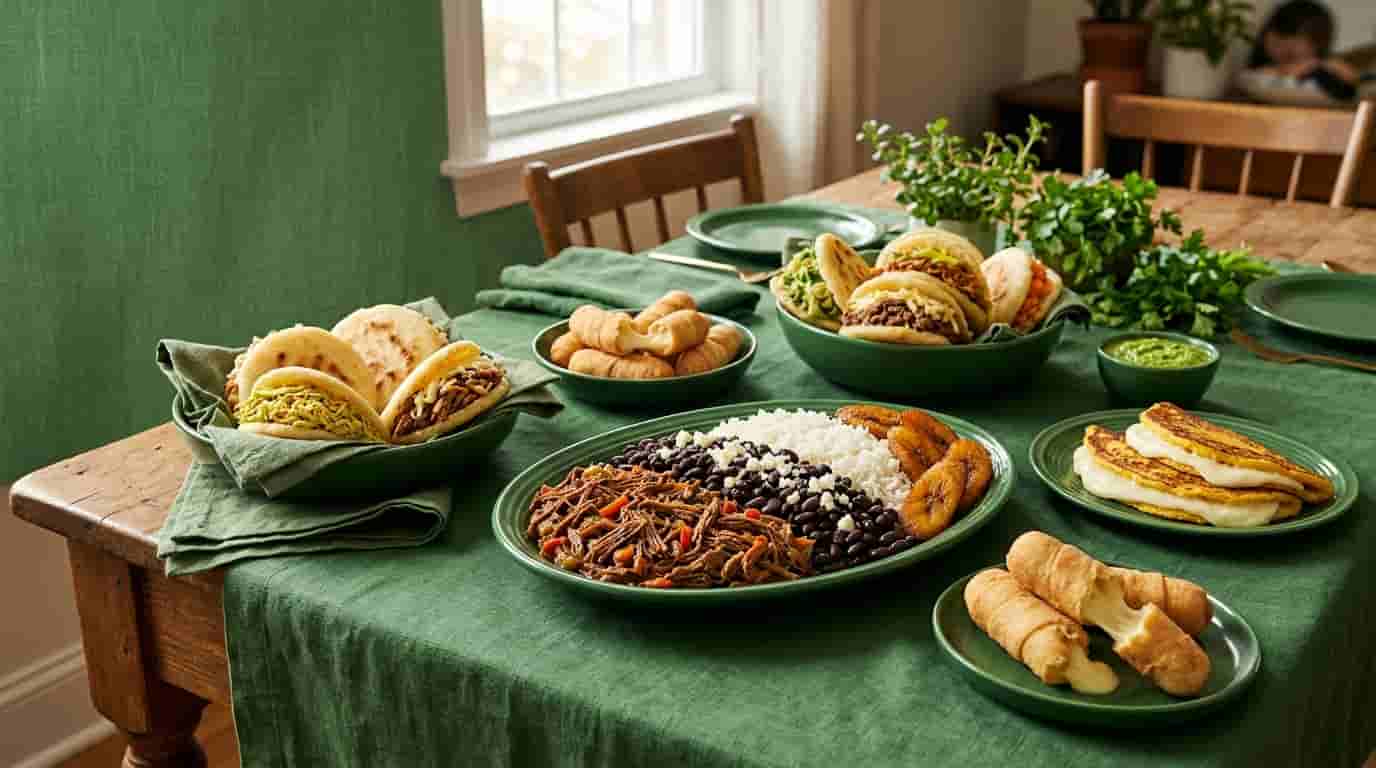
Ever stared into the fridge at 6:15 p.m. and thought, “I can’t eat another bland chicken dinner”? Same. That’s why easy Venezuelan recipes at home deserve a place in your weekly rotation. With corn flour, black beans, plantains, cheese, and aromatics, you can make crisp arepas, creamy fillings, and bold sauces without a three-hour kitchen project.
The payoff is practical: affordable ingredients, simple techniques, and meals that work for breakfast, lunch, or dinner.
Why Venezuelan Home Cooking Works on Busy Nights
Venezuelan food reflects Indigenous, European, and African culinary traditions. Corn breads, beans, rice, plantains, cheeses, slow-cooked meats, and aromatic seasoning bases appear again and again. The flavors feel layered, but the methods are usually familiar.
Tuesday solved.
Many easy Venezuelan recipes at home use the same ingredients in different ways. Batch-cook black beans and shredded chicken, and you’re halfway to arepas, rice bowls, quick breakfasts, and packed lunches.
Big Flavor, Straightforward Technique
You don’t need restaurant equipment or advanced knife skills. Most dishes rely on a few basic moves:
- Mix and shape a simple dough.
- Sauté onion, pepper, and garlic.
- Simmer beans or meat until tender.
- Pan-cook, bake, or fry until golden.
- Finish with cheese, herbs, or avocado sauce.
Many are built around corn, rice, beans, and plantains, making gluten-free South American home cooking easier to plan. People with celiac disease should still verify labels and avoid cross-contact.
Essential Pantry Staples for Easy Venezuelan Recipes at Home
You don’t need a cabinet full of specialty products. Six useful ingredients beat twenty jars that gather dust.
Harina P.A.N. Pre-Cooked Corn Flour
Harina P.A.N. pre-cooked corn flour is closely associated with homemade arepas. It’s a brand of masarepa: corn that has been cooked, dried, and ground so it hydrates quickly into a soft dough.
White flour has a mild flavor and pale color. Yellow flour tastes slightly stronger and creates a golden arepa. Either works.
Here’s the deal: masarepa is not Mexican masa harina, regular cornmeal, cornstarch, or polenta. Those products absorb water differently and won’t give you the classic texture.
For easy Venezuelan recipes at home, one bag of masarepa is the closest thing to an instant dinner button.
Beans, Rice, and Plantains
Black beans, or caraotas negras, bring earthy flavor and satisfying texture. Canned beans are fine for weeknights; rinse them, then simmer with sofrito and a splash of water until creamy.
Long-grain white rice balances richer beans and meats.
Green plantains become savory tostones. Ripe plantains—yellow with many black spots—turn sweet and caramelized when fried into tajadas. Don’t fear those spots. That’s where the sweetness lives.
Practical Cheese Substitutes
Traditional Venezuelan cheeses can be difficult to find in US supermarkets. Useful swaps include:
- Fresh mozzarella for queso de mano
- Queso Oaxaca for a stretchy melt
- Queso fresco for a mild filling
- Feta, briefly soaked, for queso duro blanco
- Cotija or ricotta salata for a sharper finish
Sofrito Criollo: A Fast Flavor Base
Sofrito Criollo seasoning base usually combines onion, sweet pepper, garlic, and cilantro. Some families add tomato, scallions, cumin, or annatto.
Ají dulce is sweet and aromatic; mini sweet peppers are a useful substitute.
Cook the finely chopped vegetables in a little oil until soft. Make extra. One spoonful improves canned beans, eggs, shredded beef, rice, or chicken.
The One Pan You Need
A traditional budare is a flat griddle. At home, use a cast-iron skillet, heavy griddle, or sturdy non-stick pan.
Perfect Homemade Arepas: The Everyday Foundation
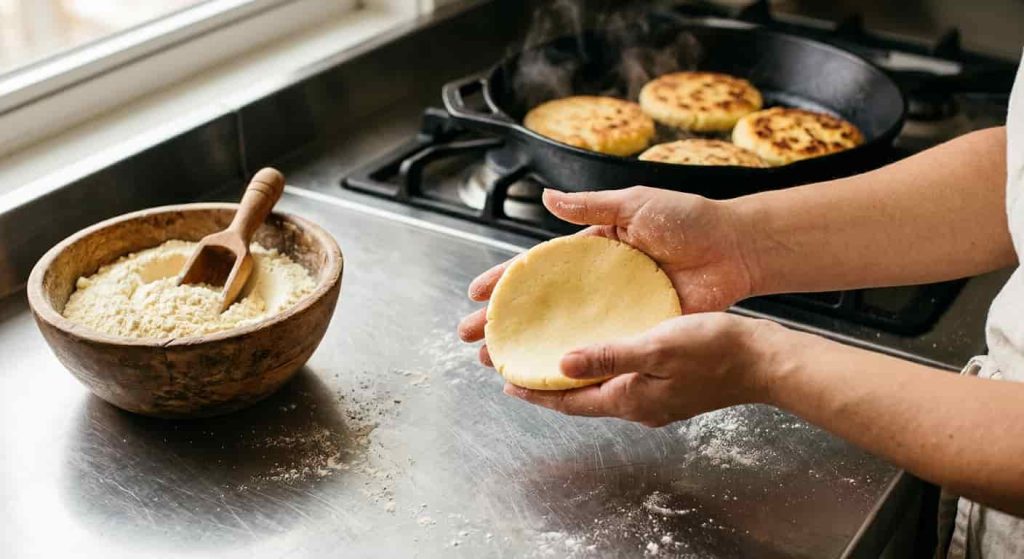
An Authentic Venezuelan Arepas recipe begins with water, salt, and pre-cooked corn flour. A reliable starting ratio is 2½ cups warm water, 1 teaspoon salt, and 2 cups masarepa.
Dissolve the salt in the water. Sprinkle in the flour gradually while mixing with your fingers, then rest the dough for five minutes. That pause lets the flour absorb moisture evenly.
The dough should feel smooth and soft, not crumbly or sticky.
Shape Smooth Discs Without Cracks
Divide the dough into eight pieces. Roll each into a ball, then flatten it into a disc about ¾-inch thick.
Cracked edges mean the dough needs a little more water. Wet your fingertips and smooth the rim. Sticky dough usually needs another minute of resting, not extra flour.
Use the Sear-and-Bake Method
Heat a lightly oiled skillet over medium heat. Cook the arepas for about five minutes per side, until a golden crust forms. Transfer them to a 375°F oven for 10 to 15 minutes.
The skillet creates crunch. The oven finishes the center without burning the crust.
A cooked arepa should sound slightly hollow when tapped. Rest it briefly, slice it open, and add your filling. For easy Venezuelan recipes at home, this technique is worth memorizing.
Three Fast Arepa Fillings
A plain arepa is good. A stuffed one is dinner.
Reina Pepiada Avocado Chicken Filling
Mix shredded cooked chicken with mashed avocado, a little mayonnaise, minced garlic, lime juice, salt, and pepper. Keep some texture; the filling should be creamy, not puréed.
Spoon the Reina Pepiada avocado chicken filling into a warm arepa just before serving.
Perico Scrambled Eggs
Sauté chopped onion and tomato in oil, then add beaten eggs, salt, pepper, and cilantro. Cook gently until the curds are soft.
Perico turns easy Venezuelan recipes at home into a ten-minute breakfast. Add grated cheese or sliced avocado.
Dominó Beans and Cheese
Fill a hot arepa with seasoned black beans and crumbled white cheese. The dark-and-white contrast explains the name Dominó.
Use queso fresco or soaked feta. It’s cheap, filling, and perfect for leftover beans.
Sweet Corn Cachapas with Melty Cheese
Cachapas are tender Venezuelan corn pancakes with crisp edges and a naturally sweet center. They’re commonly folded around queso de mano.
Blend corn kernels with a little milk, sugar, salt, and melted butter. Add a spoonful of masarepa if the batter seems watery. Cook small rounds on a buttered skillet over medium heat, then flip once the underside is browned.
Fresh corn tastes best, but drained canned corn keeps easy Venezuelan recipes at home practical year-round. Fill each hot cachapa with fresh mozzarella, queso Oaxaca, or mild low-moisture mozzarella.
Eat it immediately. Melted cheese waits for no one.
Satisfying Venezuelan Dinners That Feel Special, Not Stressful
Once you’ve got arepas down, dinner gets a lot easier. That’s the beauty of easy Venezuelan recipes at home: they’re deeply comforting, but they don’t have to be fussy.
A lot of the magic comes from contrast. Savory meat. Creamy beans. Fluffy rice. Sweet plantains. Bright sauces. One plate, lots going on.
Pabellón Criollo: The National Dish You Can Absolutely Make at Home
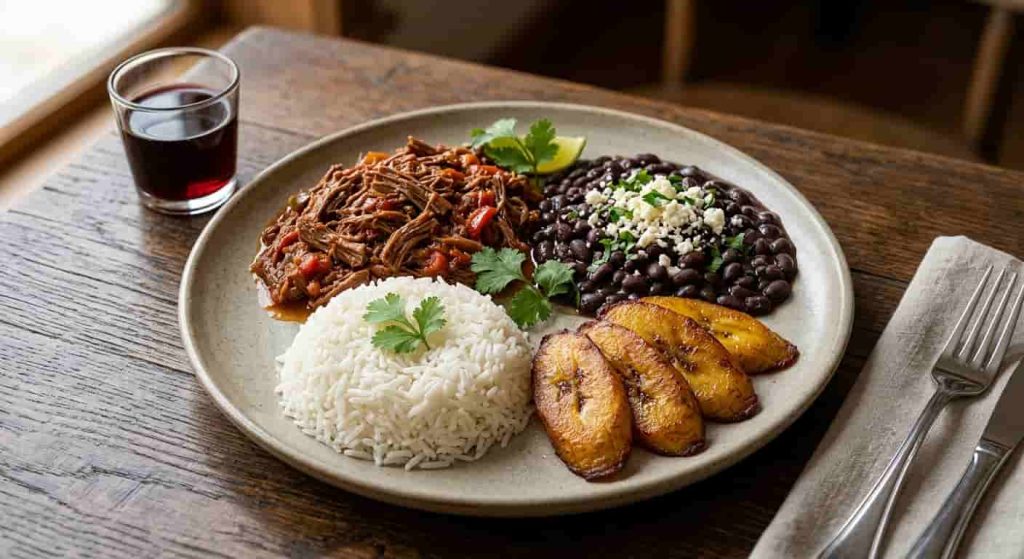
If you only make one Venezuelan dinner, make Pabellón Criollo. It’s the kind of plate that looks impressive and tastes even better, but each component is simple on its own.
The classic version includes:
- Pabellón Criollo shredded beef (carne mechada)
- Black beans
- White rice
- Sweet fried plantains tajadas
That’s it. Four parts. Big reward.
How I Build a Weeknight-Friendly Pabellón
For the beef, I cook flank steak, chuck roast, or brisket with onion, garlic, bell pepper, cumin, and broth until it’s tender enough to shred. If I’m short on time, I use a pressure cooker or slow cooker. After shredding, I return the meat to a pan with some cooking liquid and Sofrito Criollo seasoning base so every bite stays juicy.
For the beans, canned black beans work beautifully if you simmer them with sautéed onions, garlic, and peppers for 10 to 15 minutes.
For the rice, plain white rice is perfect. No need to overthink it.
For the tajadas, slice very ripe plantains lengthwise and fry them until the edges go deep golden and caramelized. Sweet fried plantains tajadas are the not-so-secret star of the plate.
Quick Tips for Better Carne Mechada
Small details matter here.
- Don’t rush the shredding step; pull the beef into thin strands.
- Save a little broth to moisten the meat after shredding.
- Add a pinch of cumin, but don’t bury the flavor under too many spices.
- Let the sofrito cook down well before adding the beef back in.
Long story short, it’s humble food done right.
One-Pot Venezuelan Arroz con Pollo
Some nights call for fewer dishes. I respect that.
Venezuelan-style arroz con pollo is a solid answer when you want something filling, family-friendly, and easy to pack for lunch the next day. It usually includes chicken, rice, onion, garlic, bell peppers, cumin, broth, and peas. Some cooks add carrots or a little tomato paste for color.
Sauté the aromatics first, then add chicken pieces and let them brown lightly. Stir in the rice so it toasts for a minute or two. Add broth, seasonings, and peas, then cover and simmer until the rice is tender.
It’s one of those easy Venezuelan recipes at home that doesn’t ask for much but gives a lot back.
Asado Negro, Simplified for Real Life
Traditional Asado Negro can be a bit of a project, but a lighter home version is very doable. The key idea is a beef roast braised in a dark, slightly sweet sauce made with caramelized sugar or papelón.
If you can’t find papelón, dark brown sugar plus a little molasses works well. Sear the roast, build a base with onions and garlic, then braise it low and slow until fork-tender.
The sauce should taste rich, savory, and just a touch sweet. Not dessert-sweet. That would be weird.
Serve it with rice, mashed potatoes, or even sliced arepas if you’re in the mood.
Street Food Staples and Party Snacks
This is where Venezuelan food gets extra fun. Crispy things. Melty things. Things you “accidentally” eat six of while standing over the stove.
No judgment from me.
Venezuelan Tequeños Cheese Sticks
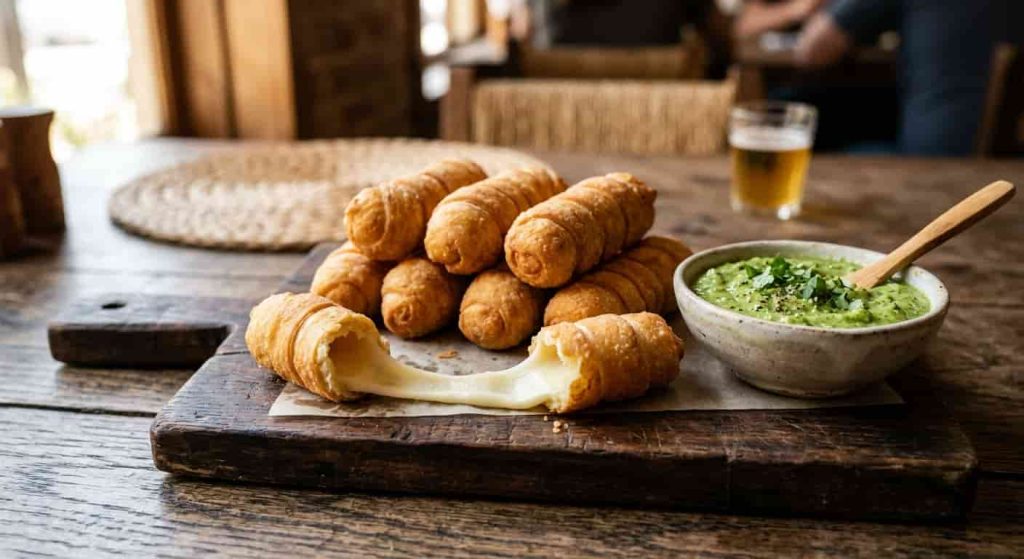
Venezuelan tequeños cheese sticks are one of the most beloved party snacks for good reason. They’re crunchy outside, gooey inside, and very hard to stop eating.
You make them by wrapping strips of dough around sticks of salty white cheese, then frying until golden. The dough is usually flour-based, similar to a soft pastry dough.
If queso blanco isn’t available, use firm mozzarella or queso Oaxaca cut into thick batons. The cheese should melt, but not vanish into a puddle two seconds after frying.
A Few Tricks That Help
- Chill the wrapped tequeños for 15 to 20 minutes before frying.
- Seal the dough well so the cheese doesn’t leak.
- Fry at moderate heat, not blazing hot oil.
- Air-fry them if you want a lighter version.
Actually, air-fried tequeños are better than most people expect. Different? Sure. Still satisfying? Absolutely.
Tostones with Guasacaca Avocado Sauce
Tostones are twice-fried green plantains smashed into crispy discs. They’re salty, crunchy, and made for dipping.
To make them, peel green plantains, cut them into thick rounds, and fry them until lightly tender. Remove them, smash each piece flat, then fry again until crisp and golden. Finish with salt right away.
Pair them with Guasacaca avocado sauce and you’ve got one of the best snacks in the whole lineup.
My Favorite Fast Guasacaca Formula
There are many versions, but my quick one includes:
- Avocado
- Cilantro
- Parsley
- Garlic
- Green bell pepper
- Vinegar
- Oil
- Salt
Blend until smooth or slightly textured, depending on how you like it. Guasacaca avocado sauce is bright, creamy, and a little tangy. Think of it as Venezuela’s answer to a table sauce you want on everything.
Use it with tequeños, grilled chicken, tostones, or even as an arepa spread.
Ingredient Substitutions for US Home Cooks
I’m all for authenticity, but I’m also a realist. If your local store doesn’t stock a specialty ingredient, dinner shouldn’t collapse.
Here’s the practical swap guide I actually use.
Smart Ingredient Swaps That Still Work
- Harina P.A.N. → any pre-cooked corn meal labeled masarepa
- Queso de mano / queso guayanés → fresh mozzarella or queso Oaxaca
- Queso duro blanco → feta soaked briefly in water, Cotija, or ricotta salata
- Papelón / panela → dark brown sugar plus 1 teaspoon molasses
- Ají dulce → mini sweet peppers or mild Cubanelle peppers
The biggest rule? Don’t replace masarepa with masa harina. They are not the same product, and your Authentic Venezuelan Arepas recipe will suffer for it.
What About Gluten-Free Cooking?
A lot of easy Venezuelan recipes at home fit naturally into gluten-free South American home cooking because corn and plantains do so much of the heavy lifting.
Naturally gluten-free options include:
- Arepas made with certified gluten-free masarepa
- Cachapas
- Black beans and rice
- Tostones
- Tajadas
- Shredded beef plates
Just check labels, especially on packaged corn flour, broth, cheese, and any processed seasonings.
Why These Dishes Work So Well for Families
This is probably my favorite part to talk about, because the food is good, yes, but the flexibility is even better.
You can serve arepas plain or stuffed. You can build Pabellón as a composed dinner or turn the leftovers into bowls. You can make tequeños for a party or freeze them for later. Kids usually go for the cheese, rice, and sweet plantains first. Adults circle back for the guasacaca and shredded beef.
Everybody wins.
And because so many easy Venezuelan recipes at home share ingredients, your shopping list stays manageable:
- One corn flour
- One bean
- One rice
- A few ripe and green plantains
- A simple cheese
- A basic aromatics lineup
That kind of overlap saves money and cuts waste. I love a cuisine that understands real life.
Meal Prep and Storage Tips for Busy Families
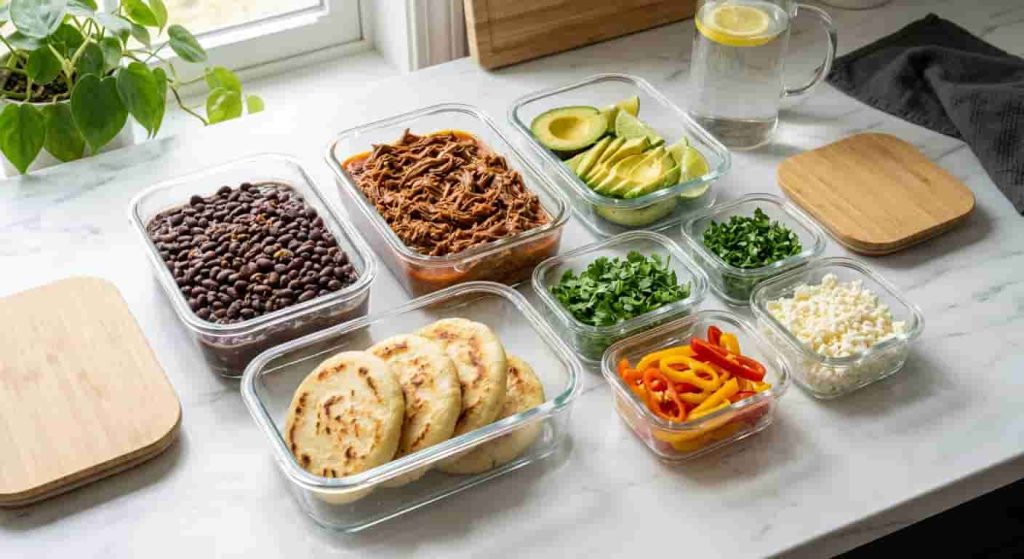
This is where easy Venezuelan recipes at home really shine. Once you prep a few basics, the rest of the week gets a whole lot smoother.
I’m a big fan of cooking once and eating well several times. Venezuelan home cooking makes that easy because the building blocks hold up beautifully in the fridge and freezer.
How I Prep Arepas Ahead of Time
Arepas are meal-prep gold. I usually make a double batch, cook them until they’re lightly golden, then cool them completely before storing.
Here’s what works best:
- Fridge: Store cooked arepas in an airtight container for up to 3 days.
- Freezer: Freeze par-cooked or fully cooked arepas in a single layer, then transfer to a freezer bag.
- Reheating: Use a toaster oven, regular oven, or dry skillet to bring back the crust.
If you want them crisp outside and soft inside again, reheat at 375°F for about 10 minutes. Microwaving works in a pinch, but the crust loses its charm. And honestly, crust is part of the joy.
Batch-Cooking Black Beans and Shredded Beef
Caraotas negras and shredded beef are two of the smartest things to prep in advance. Make a pot once, and you’ve covered several meals.
Store them like this:
- Black beans: Up to 5 days in the fridge
- Shredded beef: Up to 4 to 5 days in the fridge
- Freezer: Both freeze well for up to 2 months
Use them in:
- Arepas
- Rice bowls
- Pabellón plates
- Quick lunches
- Stuffed plantain bowls
- Side dishes for eggs or chicken
That’s why easy Venezuelan recipes at home feel so doable. One batch leads to three or four meals without anyone feeling like they’re eating leftovers on repeat.
Build a Naturally Gluten-Free Weekly Menu
A lot of Venezuelan staples are naturally based on corn, rice, beans, and plantains, which makes gluten-free South American home cooking a lot more practical than people expect.
A simple weekly flow could look like this:
- Monday: Arepas with Reina Pepiada avocado chicken filling
- Tuesday: Pabellón Criollo with black beans, rice, and tajadas
- Wednesday: Tostones with guasacaca and grilled chicken
- Thursday: Cachapas with melty cheese and a side salad
- Friday: Arroz con pollo using leftover sofrito and peppers
It’s balanced, comforting, and doesn’t ask you to buy strange ingredients for just one meal.
Common Questions About Easy Venezuelan Recipes at Home
People usually have the same few questions when they start cooking Venezuelan food. Fair enough. Let’s clear them up.
What is the most famous easy Venezuelan dish to make at home?
Arepas are probably the most famous and the most approachable. They only need water, salt, and Harina P.A.N. pre-cooked corn flour or another masarepa.
If you want a full dinner, Pabellón Criollo is a close second. It takes more components, but none of them are especially difficult.
Can you make Venezuelan arepas without Harina P.A.N.?
Yes, but only if you use another pre-cooked corn meal labeled masarepa. That’s the important part.
Do not swap in:
- Masa harina
- Regular cornmeal
- Polenta
- Corn flour used for baking
- Cornstarch
They behave differently and won’t give you the same dough or texture. For an Authentic Venezuelan Arepas recipe, masarepa is the right lane.
What ingredients are essential in traditional Venezuelan home cooking?
You can do a lot with a short list. The usual heavy hitters are:
- Harina P.A.N. pre-cooked corn flour
- Black beans
- White rice
- Ripe and green plantains
- White cheese
- Onion
- Garlic
- Sweet peppers
- Cilantro
- Avocado
Add chicken or beef and you’ve got endless possibilities.
Are easy Venezuelan recipes naturally gluten-free?
Many are, yes. Arepas, cachapas, beans, rice, tajadas, tostones, and lots of home-style meat dishes are often naturally gluten-free. That said, always check labels, especially if you’re buying packaged broth, seasoning blends, or processed cheese.
If gluten is a medical concern, don’t guess. Read the label every time.
How do you keep arepas soft inside and crispy on the outside?
The griddle-to-oven method is the fix.
First, sear the arepas in a skillet until a crust forms. Then finish them in the oven. That gives you the contrast you want: crisp shell, tender center. Also, let the dough rest before shaping. That tiny pause really helps with texture.
A Few Small Mistakes to Avoid
Nobody talks about this part enough, so I will.
Common Arepa and Plantain Slip-Ups
Here are the mistakes I see most often:
- Using masa harina instead of masarepa
- Making the arepa dough too dry
- Flipping arepas too early
- Frying plantains before they’re ripe enough
- Overfilling tequeños so they burst
- Underseasoning beans
Most of these are easy to fix. If the dough cracks, add a little water. If your plantains aren’t sweet, wait another day. If the beans taste flat, they probably need more salt and better sofrito.
Cooking gets easier once you stop expecting perfection on round one.
My Honest Take: Where Beginners Should Start
If you’re brand new, start with arepas. Always.
They teach you how masarepa behaves, they cook quickly, and they work with simple fillings you probably already like. After that, I’d move to black beans, tajadas, and a quick guasacaca. Once those feel familiar, Pabellón Criollo becomes much less intimidating.
That’s the nice thing about easy Venezuelan recipes at home. They build on each other. Learn one base, then another, and suddenly you’ve got a whole week of meals that feel warm, generous, and a little different from your usual routine.
More Recipes: 15 Easy Finnish Recipes at Home (30-Min Comfort Food)
Final Thoughts
To be honest, Venezuelan food is one of my favorite answers to the “what should I cook this week?” problem. It’s flavorful without being fussy, comforting without being heavy all the time, and flexible enough for real households with real schedules.
Easy Venezuelan recipes at home aren’t just tasty. They’re practical.
You can make a batch of arepas on Sunday, turn black beans into two or three meals, use Sofrito Criollo seasoning base across half your menu, and keep a bowl of Guasacaca avocado sauce in the fridge for instant personality. That’s my kind of cooking.
If you only try one thing first, make homemade arepas. They’re simple, satisfying, and the perfect doorway into Venezuelan home cooking. Once you nail those, the rest gets a whole lot more fun.
And trust me—you’ll probably start keeping Harina P.A.N. pre-cooked corn flour in the pantry all the time. That’s how it starts.
Please wait to go to the next post: 30 seconds
Go to Next Post