The Surprisingly Powerful Morning Shift: Breakfast Suggestions That Actually Change Your Day
I never thought a mushroom could change my mornings, but here I am—standing in my kitchen at 7:12 AM, sautéing sliced mushrooms with eggs like it’s some kind of ritual.
A year ago, my mornings were chaos. Coffee first, always. Food? Maybe a biscuit. Maybe nothing. By 10:30, I’d be snapping at emails and wondering why my brain felt like it was buffering.
Then one day, after a particularly brutal morning crash, I tried something different. Not a “perfect” diet. Not a complicated meal prep plan. Just better breakfast suggestions—real food, balanced, simple.
Eggs. Oats. Yogurt. Nuts. Berries.
Nothing fancy. But something shifted.
Within a week, the mid-morning crashes softened. Within two weeks, I noticed I wasn’t hunting for snacks every hour. And weirdly, my focus felt… calmer. Like my brain had stopped panicking.
That’s when I started digging deeper—not just trying random breakfast ideas, but understanding what actually makes a breakfast work.
Because here’s the truth no one tells you: breakfast isn’t about eating early. It’s about what you eat early.
And once you get that right, everything else—energy, mood, even discipline—starts falling into place.
So let’s break it down. Not like a textbook. Like a real-life experiment that actually works.
The Deep Science Behind Smart Breakfast Suggestions
Let’s keep this simple. A good breakfast isn’t magic. It’s chemistry.
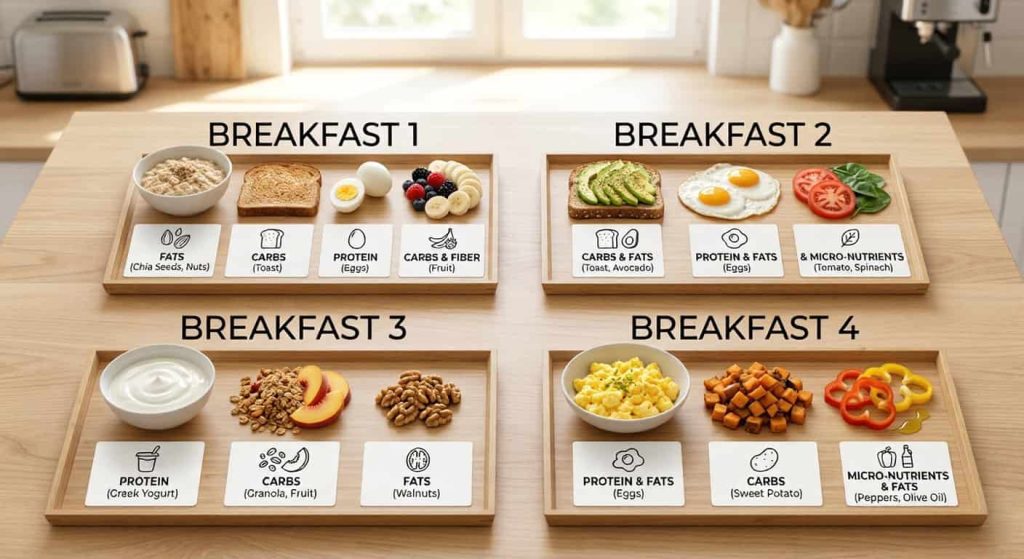
The best Breakfast Suggestions always come back to three core things: protein, fiber, and fat. Miss one, and things fall apart faster than you’d expect.
Why Protein Changes Everything
Protein isn’t just for gym people. It’s your morning anchor.
When you eat enough protein—around 30 grams—you trigger hormones like PYY and GLP-1. These are the ones that quietly tell your brain, “Hey, we’re full. Relax.”
That’s why a breakfast with eggs or Greek yogurt keeps you steady, while a sugary cereal sends you chasing snacks an hour later.
Also, protein protects your muscle mass. Even if you don’t work out, that matters more than you think.
The Slow Burn of Complex Carbs
Not all carbs are bad. Actually, some are essential.
Steel-cut oats. Quinoa. Whole-grain bread.
These don’t spike your blood sugar. They release energy slowly. That means no sudden crashes, no shaky hands, no desperate need for sugar at 11 AM.
Think of it like this: fast carbs are fireworks. Complex carbs are candles.
You want candles in the morning.
Healthy Fats: The Quiet Hero
Fats don’t get enough credit.
Avocado, chia seeds, walnuts—these help your body absorb vitamins and keep your brain functioning smoothly.
They also make your meal feel satisfying. That “full but not heavy” feeling? That’s usually fat doing its job.
Micronutrients: The Hidden Layer
This is where berries, spinach, and citrus come in.
They’re packed with antioxidants and B vitamins that support energy production at a cellular level. Not hype—actual ATP production.
Skip these, and you might not feel it immediately. But over time, your body notices.
The “30/30/30” Rule That’s Gaining Attention
Recent research suggests a simple formula:
- 30g protein
- Around 350 calories
- Within 30 minutes of waking
It’s not about perfection. It’s about hitting a threshold where your body actually responds.
People who follow this tend to report fewer cravings and better focus throughout the day.
What Happens When You Skip Breakfast?
Here’s where it gets interesting.
Skipping breakfast doesn’t always ruin your morning instantly. But it creates a subtle “cognitive tax.” You’re more distracted by food. Less focused.
Also, long-term data shows breakfast skippers often miss key nutrients. About 74% don’t meet essential vitamin needs.
And there’s even emerging links to bone health issues, likely due to lifestyle patterns tied to skipping meals.
So no, breakfast isn’t “mandatory.” But it’s a powerful tool if used right.
My 30-Day Experience With Better Breakfast Suggestions
I didn’t go all-in overnight. No strict plan. Just small upgrades.
Here’s exactly how it played out.
Week 1: The Adjustment Phase
I started simple.
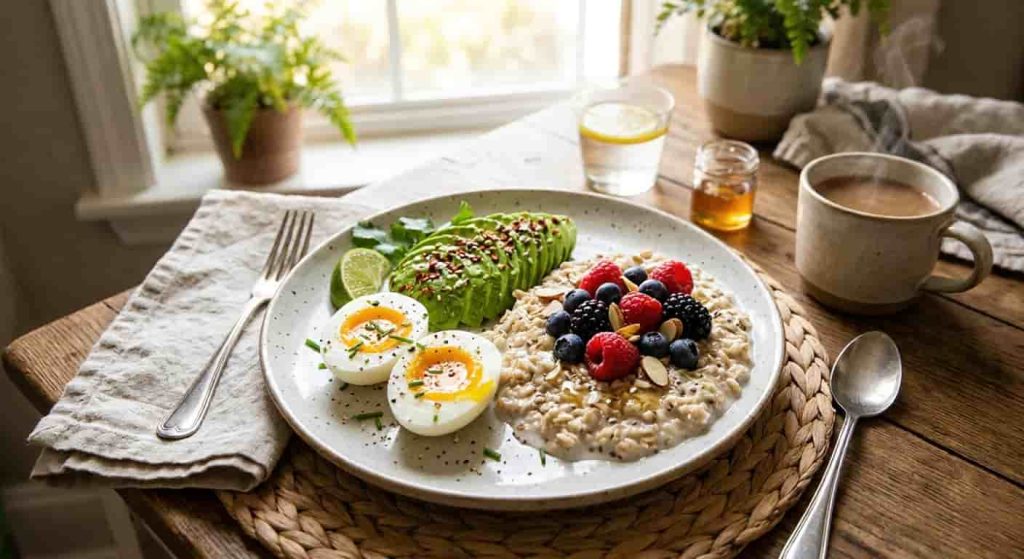
Eggs. Toast. Sometimes yogurt with honey.
First thing I noticed? I felt… full. Almost too full.
By day three, I had mild bloating. Nothing dramatic, but noticeable. Turns out, I had increased protein and fiber without increasing water.
Rookie mistake.
Once I fixed hydration, things improved fast.
Energy-wise, mornings felt smoother. Not amazing yet. But definitely better than before.
Week 2: The Stability Kicks In
This is where things got interesting.
I stopped thinking about snacks.
That alone was huge. No more wandering into the kitchen every hour.
I also noticed my focus improving during work blocks. Fewer distractions. Less “mental noise.”
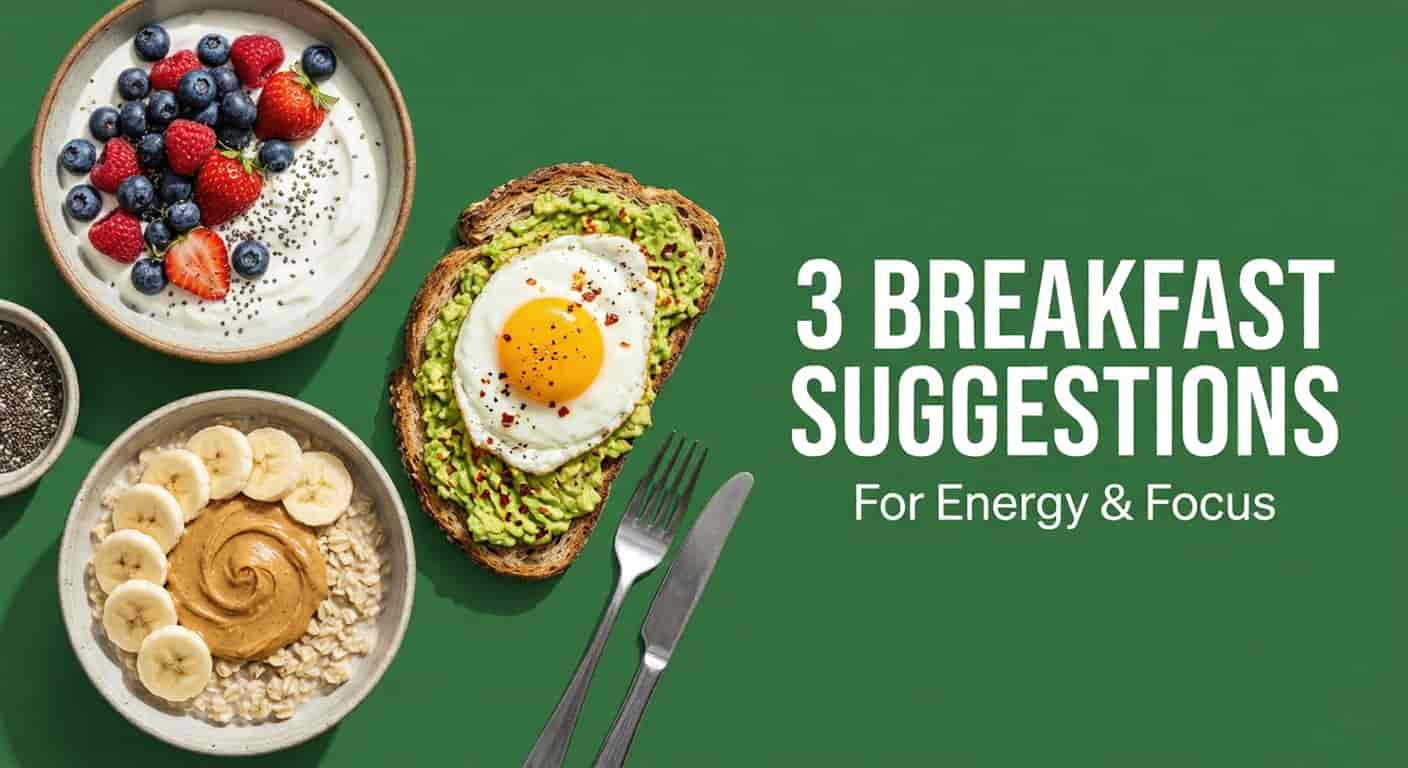
Breakfast suggestions I rotated:
- Greek yogurt + berries + chia
- Oats + peanut butter + banana
- Eggs + avocado toast
Nothing complicated. But consistent.
Week 3: The Unexpected Benefits
This week surprised me.
I started waking up slightly hungry—which had never happened before. That’s usually a sign your body expects fuel.
Workouts felt stronger too. Not dramatically, but enough to notice.
Also, decision fatigue dropped. I wasn’t constantly thinking about food.
That mental space? Underrated.
Week 4: The New Normal
By now, breakfast wasn’t an effort. It was automatic.
I had go-to meals. I knew what worked.
Energy stayed steady till lunch. No crashes. No emergency snacks.
There were still imperfections:
- Some days I felt too full if I overdid portions
- Heavy meals made me sluggish
- Skipping occasionally reminded me how big the difference was
But overall? It felt sustainable.
Not a “diet.” Just better defaults.

The Ultimate Comparison: Breakfast Suggestions vs Traditional Options
Let’s be honest. Most traditional breakfasts are convenient—but not effective.
The Classic Continental Breakfast
Toast. Jam. Juice. Maybe cereal.
It’s quick. It tastes good.
But here’s the problem: it’s mostly fast carbs.
You get a spike in energy, followed by a crash. That mid-morning slump? This is usually why.
Skipping Breakfast Entirely
Some people swear by it.
And yes, it can work for weight loss. It may even support certain metabolic processes.
But it’s not ideal for everyone.
You might feel alert early on, but many people hit a wall later. Also, nutrient gaps become a real issue over time.
Balanced Breakfast Suggestions
Now compare that to a protein + fiber + fat combo.
Energy stays stable. Hunger stays controlled. Focus improves.
It’s not about eating more. It’s about eating smarter.
Read More Article: Powerful Cooking Hacks That Save Time and Transform Your Kitchen Game
Quick Breakdown
- Energy: Stable vs spike-and-crash
- Hunger: Controlled vs constant cravings
- Nutrition: Dense vs lacking
- Long-term impact: Sustainable vs problematic
It’s not even close when you look at the full picture.
Common Mistakes & Side Effects
Even good breakfast suggestions can go wrong if you’re not careful.
Mistake #1: Too Much, Too Fast
Jumping from no breakfast to a heavy one can shock your system.
Bloating, discomfort, even nausea.
Fix? Ease in. Start small. Build gradually.
Mistake #2: Ignoring Hydration
High-protein and high-fiber meals need water.
Without it, digestion slows down. That’s when bloating kicks in.
Simple rule: drink a glass of water with breakfast.
Mistake #3: Overloading Calories
Adding breakfast without adjusting other meals can lead to weight gain.
It’s not the breakfast—it’s the total intake.
Balance matters.
Mistake #4: Choosing “Healthy” But Empty Options
Granola bars. Sugary smoothies. Flavored yogurts.
They sound healthy. But many are just disguised sugar bombs.
Always check what’s actually inside.
Who Should Be Careful?
- People with sensitive digestion
- Those not used to fiber
- Anyone managing specific medical conditions
Start slow. Listen to your body.
Expert FAQ: Real Questions About Breakfast Suggestions
1. Do I really need breakfast every day?
Not necessarily. But most people benefit from it—especially if energy, focus, or cravings are issues.
2. What’s the best quick breakfast?
Greek yogurt with nuts and fruit. Takes two minutes. Covers all bases.
3. Can I just drink coffee instead?
You can. But coffee doesn’t replace nutrients.
It masks hunger. It doesn’t solve it.
4. Is a smoothie enough?
Depends on what’s inside.
Add protein (like yogurt or whey), fiber (chia or oats), and healthy fat. Otherwise, it’s just liquid sugar.
5. How much protein is enough?
Aim for around 20–30 grams.
That’s where you start seeing real benefits in hunger control.
6. What if I’m not hungry in the morning?
Start small. Even a few bites.
Hunger patterns can shift over time.
7. Are traditional breakfasts always bad?
Not always. But many lack balance.
Add protein or fat, and you instantly improve them.
More 60 Breakfast ideas: Click Here
My Final Thoughts Breakfast Suggestions
If you asked me a year ago about breakfast suggestions, I’d probably shrug.
Now? I see it differently.
Breakfast isn’t just a meal. It’s a lever.
Get it right, and your entire day feels easier. Not perfect—but smoother, steadier, more predictable.
My rating? 9/10.
Not because it’s flawless. But because it’s practical.
You don’t need superfoods. You don’t need a strict plan.
You just need a better combination:
- Protein
- Fiber
- Fat
Start there.
Keep it simple. Stay consistent.
And don’t be surprised if your mornings start working with you instead of against you.
Disclaimer: This content is for informational purposes only and is not intended as medical advice.