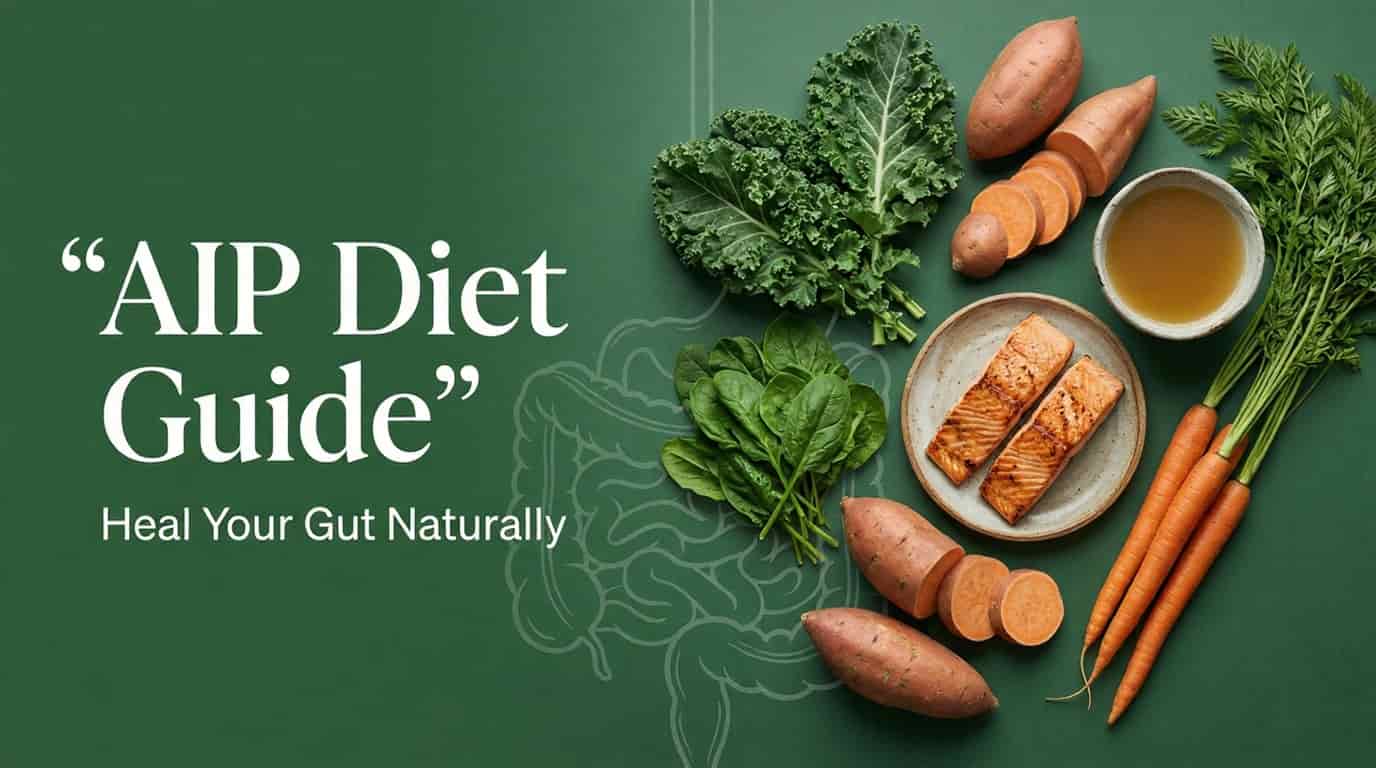
“I Thought Food Wasn’t the Problem… Until I Changed Everything”
I used to think I was eating “healthy.”
Oatmeal in the morning. Grilled chicken salads. Yogurt snacks. The usual stuff everyone recommends. But my body kept pushing back. Brain fog that made simple tasks feel heavy. Random skin flare-ups. That constant low-level fatigue you can’t quite explain.
Doctors ran tests. Everything looked “normal.”
So I kept going. Until one day, a friend casually mentioned the autoimmune protocol AIP diet. I laughed it off at first. Another restrictive diet? No thanks.
But curiosity got me.
I started reading about what is the AIP diet, and something clicked. It wasn’t about weight loss. It was about calming the immune system by removing foods that might be quietly triggering inflammation.
I didn’t expect much when I tried it.
But within two weeks, my digestion changed. That heavy, bloated feeling? Gone. My mornings felt lighter. Clearer. Not perfect—but different enough to notice.
That’s when I realized something important:
Food wasn’t just fuel. It was information.
And the AIP diet was like hitting a reset button.

The Deep Science: The Reasons the AIP Diet Is Effective
AIP Diet: What Is It and Why Is It Important?
The autoimmune protocol AIP diet is a planned elimination strategy intended to promote gut repair and lessen inflammation.
Consider it a more rigorous and focused version of the Paleo AIP diet.
It removes foods most likely to irritate your gut or confuse your immune system, including:
- Grains
- Dairy
- Legumes
- Nightshades (like tomatoes and peppers)
- Eggs, nuts, and seeds
Why so strict?
Because the goal isn’t balance—at least not at first. It’s reset.
The Gut-Immune Connection (The Real Game-Changer)
Here’s the core idea behind the AIP diet:
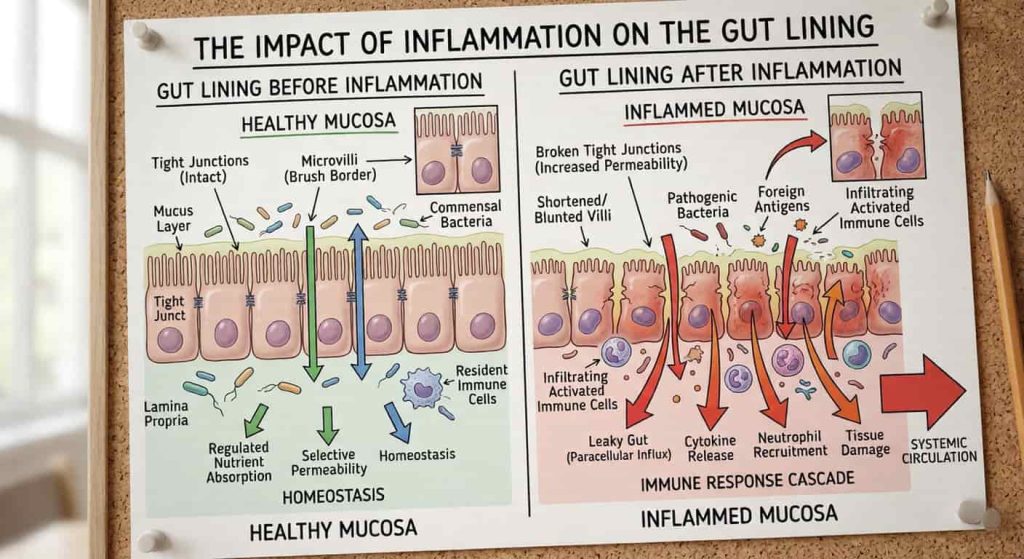
The lining of your stomach functions as a barrier. It keeps dangerous chemicals out while it’s healthy. However, microscopic particles can pass through when it is compromised (commonly referred to as “leaky gut”).
Your immune system sees those particles as threats.
So it attacks.
That’s where autoimmune symptoms can begin—or get worse.
The AIP diet focuses on calming this response by:
- Removing trigger foods
- Supporting gut repair
- Lowering systemic inflammation
The Three Pillars of the AIP Diet Plan
1. Elimination Phase (30–90 Days)
This is the strict part of the aip diet plan.
You remove all potential triggers. No exceptions. It sounds intense, but there’s a reason behind the timeline.
IgG antibodies—the ones reacting to food—have a half-life of about 21 days. So your body needs at least that long to clear old signals.
Many people start noticing changes within 2–3 weeks.
2. Reintroduction Phase (The Missing Piece Most Guides Skip)
This is where things get interesting.
Instead of jumping back to your old diet, you slowly reintroduce foods—one at a time.
A simple framework:
- Stage 1: Less reactive foods (like egg yolks or seed-based spices)
- Stage 2: Nuts and seeds
- Stage 3: Eggs and legumes
- Stage 4: Dairy and grains
You test each food over a few days and watch for symptoms.
This step turns the aip diet meal plan into something personalized.
3. Maintenance Phase (Real Life Begins Here)
Once you know your triggers, you build a sustainable diet around what works for your body.
This is where many people shift into a modified version—sometimes called aip paleo die (a looser, more flexible approach).
The Nightshade Problem (Why Tomatoes Aren’t Always Innocent)
Nightshades—like tomatoes, potatoes, and peppers—contain compounds called alkaloids.
For some people, these compounds can:
- Irritate the gut lining
- Trigger immune responses
- Worsen joint pain
Not everyone reacts. But during elimination, they’re removed just to be safe.
Nutrient Density vs. Restriction
One big myth? That AIP is all about cutting foods.
Actually, it’s about adding better ones:
- Organ meats (rich in vitamins)
- Fatty fish (omega-3s)
- Fermented foods (gut support)
- Colorful vegetables (antioxidants)
Done right, the aip diet food list is incredibly nutrient-dense.
What the Latest Research Says (2024–2026)
- According to a 2025 study, individuals with IBD demonstrated discernible improvement after just three weeks.
- Hashimoto’s patients reported a 40% improvement in their quality of life, particularly in terms of reduced fatigue and mental fog.
- The majority of consumers report improved digestion in 7–14 days.
Because of this, the AIP diet is now acknowledged as a supplementary strategy rather than merely a fad.
The 30-Day Experience Log: What It Actually Feels Like
To be honest, it’s difficult to begin the AIP diet.
This is an example of a normal 30-day trip.
Week 1: “Wait… What Can I Even Eat?”
The first few days feel overwhelming.
You’re constantly checking labels. Googling ingredients. Wondering if there’s anything left besides vegetables and meat.
Common experiences:
- Sugar cravings
- Mild headaches (especially if you cut caffeine)
- Feeling slightly low energy
Also, yes—coffee is out (it’s technically a seed). That alone can be rough.
But here’s the upside:
By the end of the week, many people notice less bloating.
Week 2: The First Wins
This is where things shift.
Your digestion starts improving. That heavy, sluggish feeling fades.
You may notice:
- Better sleep
- More stable energy
- Fewer random cravings
This is often when people start exploring aip diet recipes and getting creative.
Meals don’t feel as boring anymore.
Week 3: The Turning Point
Remember the 21-day antibody cycle?
This is where it kicks in.
Many people report:
- Clearer skin
- Less joint stiffness
- Improved focus
It’s not magic. But it’s noticeable.
Week 4: “Okay… This Is Working”
By now, your body feels different.
Not perfect—but calmer.
You might still have:
- Occasional cravings
- Social challenges (eating out is tricky)
But overall, the benefits start outweighing the effort.
This is also when you begin thinking about your aip diet meal plan long-term.
The Ultimate Comparison: AIP Diet vs Traditional Healthy Diets
Let’s clear something up.
The AIP diet isn’t for everyone forever.
But compared to standard diets, it offers something unique.
AIP Diet vs Paleo Diet
Paleo:
- Allows eggs, nuts, seeds
- Focuses on “natural” eating
AIP:
- Removes additional triggers
- Focuses on immune system healing
So basically, AIP = Paleo with extra precision.
AIP Diet vs Standard “Healthy Eating”
Typical healthy diets include:
- Whole grains
- Dairy
- Legumes
These are great for many people—but not always for those with autoimmune issues.
The AIP diet removes these temporarily to identify hidden triggers.
Pros of the AIP Diet
- Targets root causes, not just symptoms
- Highly personalized over time
- Backed by emerging research
Cons of the AIP Diet
- Very restrictive at the start
- Socially challenging
- Can be expensive
The Rise of Modified AIP
Recent trends show people moving toward a more flexible version.
Some include:
- White rice
- Certain seeds
This makes the aip diet plan more sustainable long-term.
Common Mistakes & Side Effects: What People Get Wrong on the AIP Diet
Starting the aip diet feels empowering… until small mistakes start slowing your progress.
Most people don’t fail because the diet doesn’t work. They fail because they misunderstand how to do it right.
Mistake #1: Focusing Only on Food (And Ignoring Lifestyle)
Here’s the truth: the autoimmune protocol AIP diet isn’t just about what’s on your plate.
If you’re:
- Sleeping 5 hours a night
- Constantly stressed
- Glued to screens at midnight
…your body stays in inflammation mode.
Gut healing depends heavily on:
- Circadian rhythm (consistent sleep-wake cycles)
- Stress control (think walking, sunlight, breathing)
- Toxin load (cleaner skincare, fewer harsh chemicals)
Food is just one piece of the puzzle.
Mistake #2: Not Eating Enough (Yes, Seriously)
A lot of beginners accidentally under-eat.
You cut out carbs, snacks, and comfort foods… but don’t replace them properly.
That leads to:
- Low energy
- Mood swings
- Hormonal stress
The fix? Build your aip diet meal plan around:
- Healthy fats (olive oil, coconut)
- Starchy veggies (sweet potatoes, squash)
- Quality protein
You shouldn’t feel starved on AIP.
Mistake #3: Staying in Elimination Too Long
The elimination phase isn’t meant to last forever.
Some people get scared to reintroduce foods… so they stay stuck for months.
But that defeats the purpose.
The goal of the aip paleo die approach is to:
- Remove triggers
- Test them
- Personalize your diet
Without reintroduction, you’re just restricting—not learning.
Mistake #4: Ignoring Nutrient Deficiencies
Yes, the aip diet food list is nutrient-dense—but only if you do it right.
Common gaps include:
- Vitamin D
- Zinc
- Omega-3 fatty acids
If your meals are repetitive (chicken + broccoli every day), you’re missing out.
Rotate foods. Add variety. Think “colorful plate.”
Mistake #5: Expecting Instant Results
Some people feel better in a week.
Others need a month or more.
Joint pain, skin issues, and autoimmune flares often take longer than digestion to improve.
So if nothing changes in 10 days… don’t panic.
Potential Side Effects (The Real Ones)
Let’s keep it honest.
The aip diet plan can come with some temporary side effects:
- Headaches (especially from caffeine withdrawal)
- Fatigue in the first week
- Digestive changes (good or bad at first)
- Social isolation (this one’s real)
These usually pass.
But if symptoms worsen significantly, it’s worth consulting a professional.
Expert FAQ: Real Answers to the Most Googled AIP Diet Questions
1. What is the AIP diet in simple terms?
The what is the aip diet question comes up a lot.
Simply put, it’s a temporary elimination diet designed to:
- Reduce inflammation
- Heal the gut
- Identify food triggers
It’s stricter than Paleo—but not meant to be permanent.
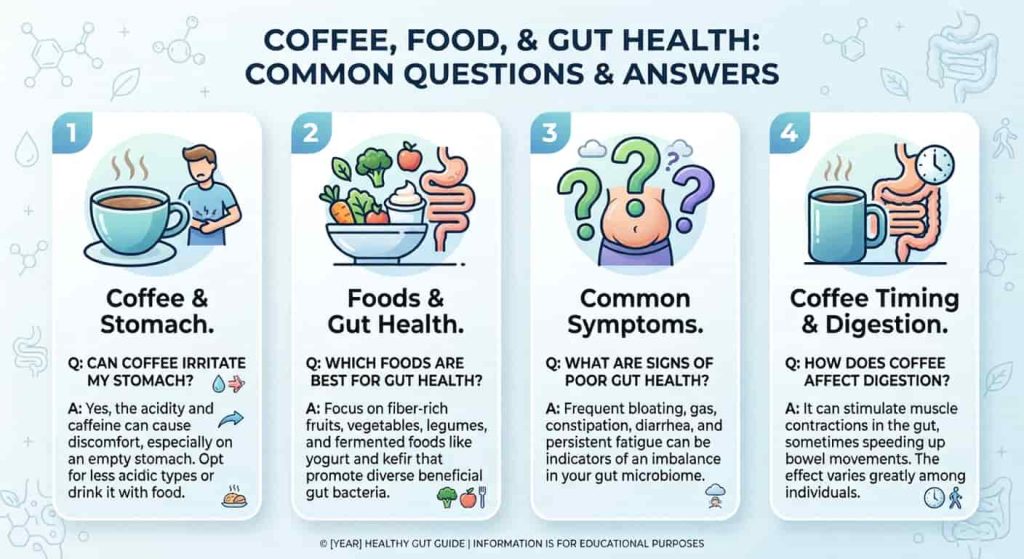
2. Is coffee allowed on the AIP diet?
Short answer: No (during elimination).
Coffee is technically a seed—and seeds are removed in the strict phase.
But here’s what helps:
- Herbal teas
- Chicory root “coffee”
- Warm lemon water
Most people reintroduce coffee later without issues.
3. How soon will I see results?
It depends on what you’re dealing with.
Typical timeline:
- 7–14 days: Better digestion, less bloating
- 3–4 weeks: Improved energy, clearer skin
- 1–3 months: Deeper autoimmune improvements
Consistency matters more than speed.
4. What’s the difference between Paleo and AIP?
The paleo aip diet comparison is important.
- Paleo allows eggs, nuts, seeds
- AIP removes those temporarily
AIP is basically a stricter, therapeutic version of Paleo.
5. Can I eat out on the AIP diet?
Yes… but it’s tricky.
Safe options usually include:
- Grilled or steamed fish
- Plain meat with vegetables
- Olive oil instead of sauces
Pro tip: Keep it simple. Ask questions. Don’t overthink.
6. What happens if I cheat on the AIP diet?
It happens.
One off-meal won’t ruin everything.
But you might experience:
- A flare (strong reaction)
- Or a mild response
The key is not to restart everything.
Just go back to your baseline aip diet plan and continue.
7. Is the AIP diet safe long-term?
The strict version? No.
The personalized version after reintroduction? Yes.
The goal is to transition into a sustainable version of your aip diet recipes and meals—not stay restricted forever.
My Final Thoughts: Is the AIP Diet Worth It?
I’ll be honest.
The aip diet isn’t easy.
It challenges your habits. Your routines. Even your social life.
But here’s the thing…
It works—when done right.
Not as a forever diet. Not as a quick fix. But as a powerful reset tool.
If you’re dealing with:
- Unexplained fatigue
- Digestive issues
- Autoimmune symptoms
…it’s one of the few approaches that actually helps you understand your body.
My Personal Rating: 8.7/10
What I loved:
- Real, noticeable changes in energy and digestion
- Clear structure (no guessing)
- Highly personalized over time
What I didn’t love:
- The strict elimination phase
- Social limitations
- Learning curve at the start
Who Should Try It?
- People with autoimmune conditions
- Anyone with chronic inflammation
- Those who feel “off” despite eating “healthy”
Who Should Be Careful?
- Underweight individuals
- People with a history of disordered eating
- Anyone without proper guidance
Read More Article: Diet Cherry Coke Is Back (And It’s Better Than Ever): A Deep-Dive You Didn’t Know You Needed
The Bottom Line
The autoimmune protocol AIP diet isn’t about perfection.
It’s about awareness.
Once you understand how food affects your body, you don’t need strict rules anymore.
You just make better choices—naturally.

Disclaimer: This content is for informational purposes only and is not intended as medical advice.