If you are currently holding your stomach, feeling like you just swallowed a helium balloon, and wondering, “do probiotics help with bloating?” — I have good news.
Yes, they absolutely do.
But there is a catch. You can’t just swallow any random pill from the grocery store shelf and expect your stomach to instantly flatten out. Bloating is usually a sign of an unbalanced gut ecosystem. When bad bacteria outnumber the good guys in your digestive tract, they throw a party, feast on your food, and produce a ton of excess gas. Probiotics step in as the good guys to restore order, calm the inflammation, and stop the gas production at its source.

Why Your Belly Feels Like a Tight Balloon
Let’s talk about what is actually happening in your stomach right now.
Your gut is home to trillions of microscopic bacteria. Some are amazing for you. Others? Not so much. When things are perfectly balanced, your digestion works like a well-oiled machine.
But life happens. You take a round of antibiotics for a sinus infection. You go through a crazy stressful month at work. Maybe you eat a little too much takeout. Sound familiar?
These daily triggers wipe out your good bacteria. This state is called “dysbiosis.” When dysbiosis kicks in, the bad bacteria take over. As they break down the food you eat (especially carbs and sugars), they ferment it. That fermentation process releases hydrogen, methane, and carbon dioxide.
Literally, gas.
That gas gets trapped in your intestines, stretching your stomach outward. That is the tight, uncomfortable pressure you feel after eating. It is not fat. It is trapped air.
The Fix: So, How Exactly Do Probiotics Help With Bloating?
So, where do probiotics fit into this mess? Think of them as the peacekeepers.
When you introduce high-quality probiotics into your system, they crowd out the bad, gas-producing bacteria. They also speed up your digestion. When food moves through your system at the right pace, it doesn’t have time to sit there, ferment, and create that awful trapped gas.
But here is the secret most supplement companies won’t tell you: strains matter. A lot.
Taking the wrong probiotic strain for bloating is like hiring a plumber to fix your electrical wiring. They are a professional, sure, but they can’t solve your specific problem. To get real relief, you need specific strains that are clinically proven to break down gas and soothe your gut lining.
Here is a quick cheat sheet I give to my clients at The Nutri Hacks to help them find the right match.
| Probiotic Strain | What It Actually Does For Your Gut | Best Sourced From |
| Bifidobacterium infantis | The ultimate gas-buster. Proven to reduce severe bloating and ease IBS symptoms. | Supplements, fortified dairy |
| Lactobacillus acidophilus | Helps break down dairy sugars (lactose) which is a massive trigger for belly bloat. | Yogurt, kefir, high-quality pills |
| Bifidobacterium lactis | Speeds up digestion so food doesn’t sit in your gut and ferment into gas. | Supplements, fermented milk |
| Lactobacillus plantarum | Lowers gut inflammation and reduces that uncomfortable tight-belly feeling. | Kimchi, sauerkraut, supplements |

Dosage, Timing & Daily Tips to Beat the Bloat
Buying the right strain is only half the battle. How and when you take them makes all the difference.
The Numbers Game (CFUs) You will see “CFU” on every bottle. It stands for Colony Forming Units. For general bloating, you don’t need the 100-billion mega-doses right away. Look for a daily supplement containing 10 billion to 50 billion CFUs. Start on the lower end to let your body adjust.
Timing is Everything Stomach acid is a probiotic killer. If you take your supplement on a completely empty, highly acidic stomach, most of those good bacteria will die before they ever reach your intestines.
Take your probiotic about 20 to 30 minutes before a meal, or right as you start eating. Food acts as a buffer, safely escorting the bacteria through your stomach acid.
Don’t Forget the Food (Prebiotics) Probiotics are living things. They need to eat. Their favorite food is prebiotic fiber. If you take an expensive supplement but eat zero fiber, those bacteria will starve. Pair your daily pill with foods like garlic, onions, bananas, asparagus, and oats.
Common Mistakes to Avoid & Safety Check
I see people make the same mistakes over and over again when trying to fix their digestion. Let’s make sure you aren’t one of them.
1. The “More is Better” Trap People get desperate for a flat stomach and double their dose. Big mistake. Flooding your gut with massive amounts of new bacteria all at once will shock your system. The result? You will actually get more bloated. Start slow.
2. Freaking Out During the “Die-Off” Phase When you first start taking probiotics, you might feel a little worse for the first 3 to 5 days. This is normal. It is called the Herxheimer reaction. As the good bacteria move in, the bad bacteria die off and release a final burst of gas. Push through it. Drink a ton of water. It passes quickly.
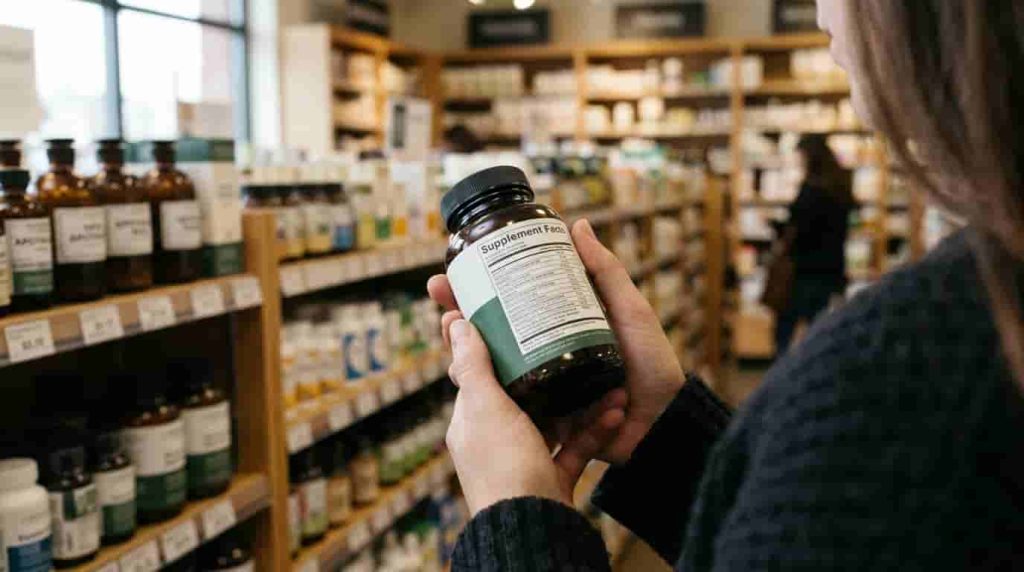
3. Buying Dead Bacteria Some strains need to be refrigerated to stay alive. Others are shelf-stable. If you buy a refrigerated brand but leave it in your hot car all afternoon, you just bought a bottle of dead bugs. Always read the storage label carefully.
Frequently Asked Questions
How fast will I see my bloating go down? Be patient. It is not an overnight magic trick. Most of my clients notice a significant drop in gas and pressure within 1 to 2 weeks. Full gut rebalancing usually takes about 4 to 8 weeks of consistent, daily use.
Can I just eat yogurt instead of buying expensive pills? Yes and no. High-quality, plain Greek yogurt is amazing for maintenance. But if you are dealing with chronic, painful bloating, yogurt rarely packs enough of a punch. The bacterial count is just too low to aggressively fix a severe imbalance. Use supplements to fix the problem, and foods to maintain it.
Should I stop taking them once my bloating goes away? Gut health is an everyday job. If you stop taking them and go straight back to eating processed foods and living a high-stress life, the bad bacteria will return. Think of it like brushing your teeth. You don’t just do it once and stop.
Final Thoughts
Healing your gut takes a little time, but the relief is totally worth it.
You don’t have to live with that heavy, uncomfortable pressure every time you eat a meal. If you have been desperately searching for answers and asking, do probiotics help with bloating, you now have your roadmap.
Start with a targeted strain like Bifidobacterium infantis, take it right before a meal, feed it with some good fiber, and give your body a couple of weeks to adjust. Your gut is going to thank you.
Thanks to visite our website NutriHacks