
Your gut remembers everything.
That greasy midnight burger. The stress-eating during deadlines. The “healthy” granola bar loaded with syrup pretending to be wellness food. Your digestive system keeps score, and eventually, it starts talking back through bloating, fatigue, brain fog, skin flare-ups, weird cravings, and stubborn inflammation.
Not fun.
What shocked me recently was this: chronic inflammation is now linked to nearly half of all global deaths, according to recent health trend reporting from Prenuvo. That number sounds dramatic because it is dramatic. And the scary part? A lot of people don’t even realize their gut may be feeding the fire.
Here’s the deal. Modern diets are rough on the digestive system. Ultra-processed foods, excess sugar, alcohol, artificial additives, and stress can slowly damage the intestinal lining. Many researchers and wellness experts now connect this to something people casually call “leaky gut,” where the gut barrier becomes more permeable than it should be.
And once that barrier weakens? Trouble starts traveling.
Inflammatory compounds can move through the bloodstream more easily. The immune system gets irritated. The body stays on high alert. You feel puffy, tired, moody, achy, and strangely “off.”
I went through a phase where my stomach felt like it was holding a personal grudge against me. Heavy meals wrecked my energy. Random bloating showed up after foods I’d eaten for years. My skin looked irritated all the time. Honestly, I didn’t need another expensive supplement. I needed consistency. Simplicity. And fluids my gut could actually tolerate.
That’s where the best natural anti inflammatory drinks for gut health come in.
Not miracle cures. Not internet nonsense. Just functional drinks with ingredients that have been studied for inflammation, microbiome balance, hydration, and digestive support.
And there’s a reason liquids matter so much.
Your body absorbs them fast. Your digestive tract doesn’t need to work overtime to break them down. Some compounds become more bioavailable in liquid form, especially when paired correctly. Ever wondered why homemade turmeric ginger shots for bloating suddenly exploded in popularity? Because people noticed they actually helped.
Not overnight magic. Just steady improvement.
Another huge shift happening in 2026 is the move toward “naturalness.” According to Innova Market Insights, around 30% of consumers now prioritize natural eating practices over trendy restrictive diets. Millennials and Gen Z especially are leaning toward plant-forward remedies, fermented foods, herbal teas, and functional beverages instead of synthetic wellness hacks.
Honestly, I get it.
Sometimes the old-school remedies survive for a reason.
This guide breaks down the best natural anti inflammatory drinks for gut health, why they work, and how you can realistically fit them into daily life without turning your kitchen into a wellness laboratory.
And yes, we’ll also talk about fermented probiotic drinks for systemic inflammation, herbal teas for leaky gut and immune support, and even the surprisingly controversial apple cider vinegar gut health morning routine people keep debating online.
Let’s start with why liquid remedies can sometimes outperform capsules and powders.
Why Liquid Remedies Work So Well for Gut Inflammation
Your gut likes easy work.
When your digestive system is irritated, inflamed, or overwhelmed, heavy meals and concentrated supplements can sometimes feel like adding traffic to an already jammed highway. Drinks are gentler. Faster. Often easier to absorb.
That matters more than most people realize.
Rapid Absorption Helps the Gut Recover Faster
Think about the difference between chewing a steak and sipping warm ginger tea.
One demands a lot from digestion. The other slides in quietly.
Liquid nutrients are generally absorbed more rapidly because they require less breakdown in the stomach. This becomes especially important when the gut lining is already irritated. Certain compounds — like polyphenols, amino acids, and plant antioxidants — become more accessible when dissolved or infused into water-based drinks.
Turmeric is the perfect example.
Curcumin, the active compound in turmeric, has notoriously poor absorption on its own. But combine it with black pepper, specifically piperine, and absorption may increase dramatically. That’s why the classic golden drink combination still dominates the natural remedies for chronic gut inflammation 2026 conversation.
Tiny tweak. Massive difference.
Hydration and Polyphenols Are a Powerful Pair
Most people think hydration is just about drinking enough water.
Actually, hydration affects the mucus lining of the digestive tract, nutrient transport, bowel regularity, and even how efficiently beneficial bacteria function inside the microbiome.
Now add polyphenols into the mix.
Polyphenols are natural compounds found in green tea, tart cherries, ginger, berries, and herbs. They act like fertilizer for beneficial gut bacteria while helping reduce oxidative stress.
That’s a big reason anti-inflammatory smoothies for IBS relief are trending right now. You’re not just hydrating. You’re feeding beneficial microbes while calming inflammatory pathways at the same time.
And your gut bacteria absolutely notice the difference.
The 7 Best Natural Anti-Inflammatory Drinks for Gut Health
Some of these drinks are ancient remedies. Others became trendy recently. A few taste amazing. A few taste… healthy.
But all of them have a strong reason for being here.
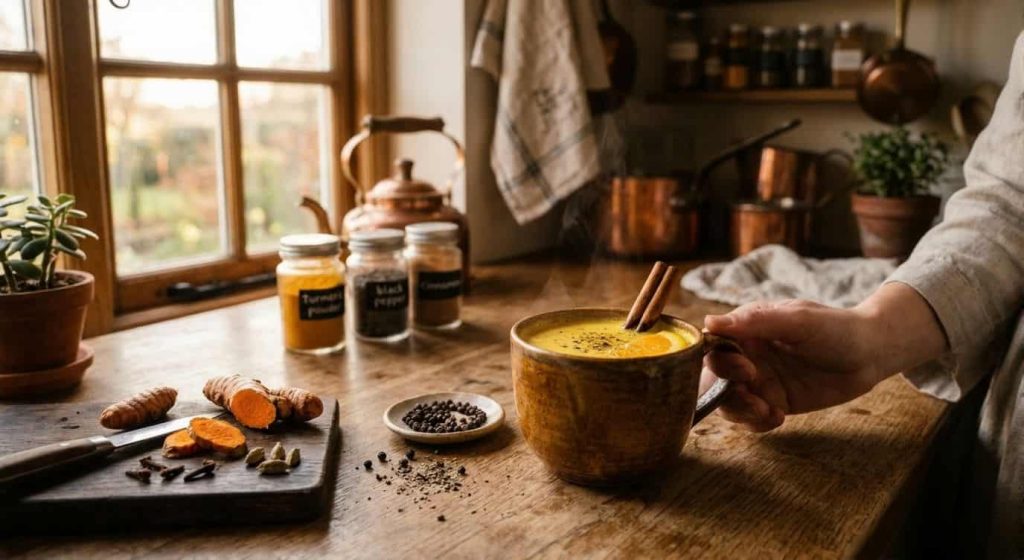
1. The Golden Elixir: Turmeric and Black Pepper Drink
Turmeric without black pepper is like buying concert tickets and forgetting to enter the venue.
You need both.
Curcumin, turmeric’s active compound, has powerful anti-inflammatory potential, but your body struggles to absorb it efficiently alone. Piperine from black pepper changes that dramatically by increasing bioavailability.
That’s why the classic golden milk recipe still survives every wellness trend cycle.
Why It Helps the Gut
Turmeric may help:
- Calm intestinal inflammation
- Reduce oxidative stress
- Support liver detox pathways
- Ease bloating after meals
- Support microbiome diversity
I personally prefer it warm at night. There’s something oddly calming about it. Feels like your stomach unclenches a little.
Simple Homemade Version
Ingredients
- 1 cup unsweetened almond milk or oat milk
- 1 teaspoon turmeric
- A pinch of black pepper
- Small piece of grated ginger
- Cinnamon
- Optional raw honey
Warm gently. Don’t boil aggressively.
That earthy flavor grows on you. Promise.
Why Homemade Turmeric Ginger Shots for Bloating Became So Popular
Because they’re practical.
People noticed reduced puffiness, smoother digestion, and fewer “food baby” moments after consistent use. Not everyone responds the same way, obviously. But turmeric and ginger together create a potent anti-inflammatory combination that supports gastric comfort.
Small daily doses usually work better than aggressive cleanse-style routines.
That’s an important distinction.
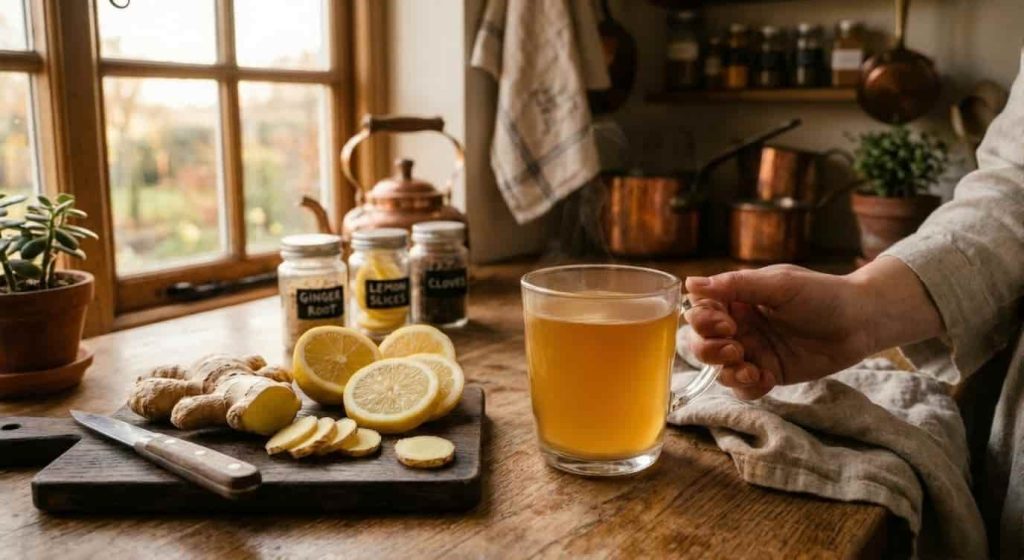
2. Raw Ginger and Lemon Infusion
Ginger is one of the few natural remedies that almost everybody’s grandmother trusted and modern science still respects.
That says something.
Fresh ginger contains gingerol, a bioactive compound linked to anti-inflammatory and digestive benefits. One fascinating effect involves gastric emptying — basically helping food move through the stomach more efficiently.
Translation?
Less stagnation. Less heaviness. Less uncomfortable fullness.
Why It Supports Gut Health
Raw ginger and lemon infusion may help:
- Reduce nausea
- Improve digestion speed
- Ease intestinal irritation
- Support immune function
- Decrease bloating after meals
Lemon adds vitamin C and brightness, but ginger is the real star here.
Best Time to Drink It
Morning works beautifully.
Especially if you wake up feeling sluggish or puffy after salty dinners. Some people replace coffee entirely with ginger-lemon water for a few days and notice surprisingly stable energy.
Not because ginger contains caffeine. It doesn’t.
Your body simply feels less inflamed.
Quick Gut-Soothing Recipe
You’ll Need
- Fresh sliced ginger
- Half a lemon
- Warm water
- Tiny pinch of sea salt
- Optional raw honey
Steep for 10 minutes.
Sip slowly.
Your stomach will thank you.
A Quick Safety Note Before You Try Everything at Once
Natural doesn’t automatically mean harmless.
Certain herbs and functional drinks can interact with medications including blood thinners like Warfarin, antidepressants, and statins. According to NHS UK, people who are pregnant or managing kidney or liver conditions should speak with a healthcare professional before heavily using herbal remedies.
That matters.
Especially with concentrated turmeric, aloe vera, or fermented drinks.
3. Bone Broth and Vegan L-Glutamine Broth
This is where gut healing starts feeling less trendy and more deeply nourishing.
Bone broth has been around forever. Long before wellness influencers started charging ridiculous prices for “gut shots,” people were simmering bones, herbs, and vegetables because it made the body feel better during illness and recovery.
Turns out, there may be a reason for that.
Bone broth contains amino acids like glutamine, glycine, and proline, all of which play roles in maintaining the intestinal lining. And when people talk about “sealing the gut,” glutamine usually enters the conversation fast.
Why the Gut Lining Matters So Much
Your intestinal lining acts like a smart filter.
It lets nutrients pass through while blocking harmful substances. But stress, processed foods, alcohol, infections, poor sleep, and chronic inflammation can weaken that barrier over time.
That’s when symptoms often show up:
- Food sensitivities
- Chronic bloating
- Skin irritation
- Brain fog
- Fatigue after meals
- Digestive discomfort
This is why natural remedies for chronic gut inflammation 2026 are focusing heavily on gut barrier integrity instead of just symptom suppression.
Bone Broth Benefits for Inflammation
A good slow-simmered broth may help support:
- Gut lining repair
- Hydration
- Electrolyte balance
- Collagen production
- Digestive comfort
Warm broth also tends to be easy on sensitive stomachs. That matters during IBS flare-ups or periods of digestive stress.
I’ll admit something slightly embarrassing: I used to think bone broth was overrated soup water. Then I tried drinking it consistently during a stressful work month when my digestion was a disaster.
Huge difference.
Not dramatic overnight transformation. Just steadier digestion. Less heaviness. Fewer weird cravings late at night.
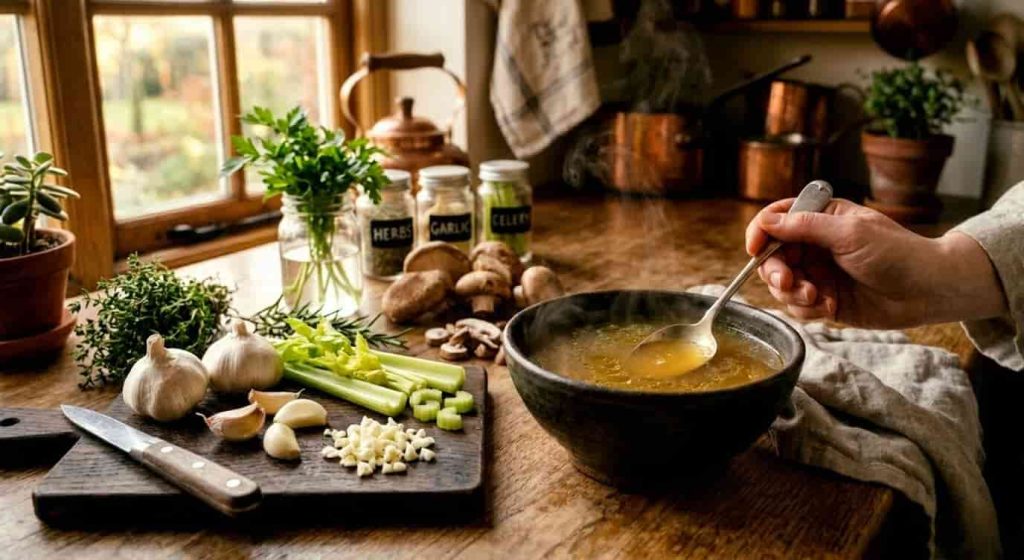
Vegan Alternative: L-Glutamine Vegetable Broth
Don’t eat animal products? No problem.
A vegan gut-support broth can still work beautifully when made with:
- Seaweed
- Mushrooms
- Miso
- Celery
- Garlic
- Parsley
- Added L-glutamine powder
Miso especially deserves attention because fermented foods may support microbial diversity.
And your microbiome loves variety.
4. Kefir and Kombucha: Fermented Probiotic Drinks for Systemic Inflammation
Your gut contains trillions of microorganisms.
Tiny tenants. Some helpful. Some less helpful.
When the balance shifts in the wrong direction, inflammation tends to rise. That’s why fermented probiotic drinks for systemic inflammation have become one of the hottest wellness categories in recent years.
Kefir and kombucha lead the pack.
What Makes Kefir Special?
Kefir is a fermented milk drink loaded with beneficial bacteria and yeast cultures. Think of it as yogurt’s more powerful cousin.
It contains multiple strains of probiotics that may support:
- Digestion
- Immune balance
- Reduced bloating
- Healthier bowel movements
- Lower inflammatory markers like CRP
Some people who struggle with regular milk tolerate kefir surprisingly well because fermentation changes the lactose structure.
Not always. But often.
Kombucha’s Role in Gut Health
Kombucha is fermented tea with organic acids, antioxidants, and probiotic compounds.
Good kombucha tastes slightly tangy, lightly fizzy, and refreshing. Bad kombucha tastes like vinegar fought sparkling water and everybody lost.
Choose wisely.
Why Fermented Drinks Matter
Your gut bacteria influence way more than digestion.
Researchers now connect microbiome health to:
- Mood
- Sleep
- Immune response
- Metabolism
- Skin health
- Brain function
That gut-brain connection is becoming massive in wellness research. According to Prenuvo, ingredients supporting cognitive wellness and the gut-brain axis are part of a booming nootropic movement projected to keep growing rapidly through 2030.
Honestly, it makes sense.
Ever noticed how anxiety can wreck digestion instantly?
Your gut and brain constantly talk to each other.
A Few Important Kombucha Warnings
Not all kombucha products are equal.
Some contain huge amounts of sugar. Others are poorly fermented. A few are basically soda pretending to be healthy.
Look for options with:
- Lower sugar
- Live cultures
- Minimal additives
- Refrigerated storage
And start slowly.
Too much fermented food too quickly can cause temporary bloating for some people.
5. Tart Cherry Juice for Deep Inflammation Relief
Tart cherry juice doesn’t get enough attention outside athletic circles.
Athletes love it because it may help with muscle soreness and recovery. But here’s the interesting part: inflammation in the body rarely stays isolated.
Joint stress, gut stress, immune stress, poor sleep — they all overlap.
Why Tart Cherry Juice Works
Tart cherries contain anthocyanins, powerful antioxidant compounds associated with reduced inflammation and oxidative stress.
These compounds may support:
- Muscle recovery
- Joint comfort
- Better sleep quality
- Reduced inflammatory burden
- Gut microbial balance
Sleep is especially important here.
Poor sleep can seriously disrupt gut bacteria composition and increase inflammatory signaling. So when tart cherry juice helps improve sleep quality, the gut may benefit indirectly too.
Sneaky little multitasker.
Best Way to Drink It
Avoid heavily sweetened versions.
Pure tart cherry concentrate diluted with water works best for many people. Evening tends to be ideal because tart cherries naturally contain melatonin compounds linked to sleep regulation.
Pairing Tart Cherry with Gut-Friendly Foods
This combination works beautifully:
- Tart cherry juice
- Chia seeds
- Unsweetened yogurt
- Cinnamon
- Frozen berries
Basically an anti-inflammatory smoothie for IBS relief without overwhelming the stomach.
And yes, texture matters.
People with sensitive digestion often tolerate smoothies better when they avoid massive amounts of raw vegetables all at once.

6. Aloe Vera Juice for Soothing Internal Irritation
Aloe vera is famous for sunburns.
But internally? That’s where things get interesting.
For centuries, aloe vera has been used traditionally to soothe irritation in the digestive tract. Many people describe it as a cooling remedy, especially helpful when inflammation creates sensations of heat, reflux, or irritation.
Potential Benefits of Aloe Vera Juice
Aloe vera juice may help:
- Soothe the esophagus
- Calm digestive irritation
- Support bowel regularity
- Ease mild acid discomfort
- Reduce inflammatory irritation
Some people with occasional reflux swear by it.
Others find it helpful during stressful periods when digestion feels extra reactive.
But Be Careful Here
Not all aloe products are safe for regular drinking.
Some contain latex compounds from the aloe leaf that may cause cramping or strong laxative effects. You want purified, decolorized aloe vera juice specifically designed for internal use.
And moderation matters.
Too much can irritate digestion instead of helping it.
Simple Cooling Aloe Drink
Try mixing:
- Aloe vera juice
- Coconut water
- Fresh cucumber
- Mint leaves
- Ice
Surprisingly refreshing.
Especially during hot weather or after heavy meals.
7. Green Tea and Holy Basil for the Gut-Brain Axis
This combo feels like calmness in a cup.
Green tea brings antioxidants. Holy basil brings adaptogenic support. Together, they create one of the most interesting herbal teas for leaky gut and immune support.
And honestly? Stress management is gut health management.
You can drink all the probiotic smoothies in the world, but if your nervous system stays permanently stressed, your digestion usually notices.
Green Tea’s Secret Weapon: EGCG
Green tea contains catechins, especially EGCG, a potent antioxidant studied for anti-inflammatory effects.
These compounds may help:
- Reduce oxidative stress
- Support beneficial gut bacteria
- Improve metabolic health
- Calm inflammatory signaling
But the real magic happens when paired with holy basil.
Why Holy Basil Matters
Holy basil, also called Tulsi, is considered an adaptogenic herb. Adaptogens may help the body respond more efficiently to stress.
And chronic stress absolutely affects:
- Gut permeability
- Digestion speed
- Inflammatory markers
- Microbiome diversity
I started drinking tulsi tea during a burnout phase a few years ago because coffee was making my stomach furious. The difference felt subtle at first.
Then one day I realized I wasn’t clenching my jaw constantly anymore.
Funny how the body whispers before it screams.
Easy Evening Tea Blend
Steep together:
- Green tea
- Holy basil leaves or tea bags
- Ginger slice
- Tiny squeeze of lemon
Light. Grounding. Surprisingly comforting.
Perfect for people trying to reduce caffeine overload without giving up warm drinks completely.
How to Create a Daily Gut-Reset Routine
Most people overcomplicate gut health.
They buy seventeen supplements. Download restrictive meal plans. Start impossible detoxes. Quit three days later.
Actually, consistency wins.
Tiny habits repeated daily outperform dramatic “cleanse” cycles almost every time.
Morning vs Evening: Timing Matters
Certain drinks fit better at different times of day.
Morning
Best options:
- Ginger lemon infusion
- Apple cider vinegar gut health morning routine
- Green tea
- Turmeric shots
Morning drinks should support digestion gently without overwhelming the stomach.
And yes, let’s address the apple cider vinegar trend.
Some people genuinely feel better using diluted apple cider vinegar before meals because it may support digestion and blood sugar balance. Others get reflux instantly.
Your gut decides. Not TikTok.
If you try it, dilute heavily and start small.
Afternoon
Good mid-day choices:
- Kombucha
- Kefir smoothies
- Aloe vera cooler
This is usually when energy crashes and bloating creep in.
Evening
Best calming options:
- Golden turmeric drink
- Tart cherry juice
- Holy basil tea
- Bone broth
Evening is repair mode.
Your gut loves predictable rhythms.
Read More Article: The Powerful Relief Guide: Ear Infection Home Remedy That Actually Works (Backed by Real Science)
Consistency Beats Extreme Cleanses Every Time
Here’s the truth nobody selling detox kits wants to admit.
Your body already detoxifies itself.
The liver, kidneys, gut, lungs, and skin handle that job daily. What these drinks really do is support those systems by reducing inflammatory overload and helping the microbiome function more efficiently.
That’s very different from “flushing toxins.”
Small daily habits matter more.
One anti-inflammatory drink every day for two months will usually outperform a miserable 3-day cleanse followed by fast food and stress eating.
And thankfully, it’s much easier to stick with.
Please wait to go to the next post: 30 seconds
Go to Next Post