
There’s something oddly comforting about a creamy cup of coffee in the morning.
That silky texture.
The rich mouthfeel.
That tiny moment of peace before emails, chores, traffic, or kids yelling about missing socks.
I get it. I used to pour heavy cream into my coffee without even thinking about it. One tablespoon here. Another splash there. Harmless, right?
Not exactly.
Heavy cream is sneaky. It doesn’t look like much sitting in your mug, but calorie-wise? It’s dense. Really dense. And if you drink coffee more than once a day, those “little splashes” can quietly wreck a calorie deficit without you realizing it.
That’s the frustrating part about liquid calories. They don’t always make you feel full enough to justify the energy they bring. Your brain barely registers them, yet your body still stores them.
Ever wondered why you’re eating healthy, walking daily, skipping desserts… but the scale refuses to move?
Your coffee might be part of the story.
Now, before someone throws away their beloved morning ritual, let me say this clearly: you do not need to drink sad, watery coffee to lose weight. You just need smarter ingredients.
That’s where healthy coffee creamer alternatives come in.
Some options cut calories dramatically. Others add protein. A few actually help with satiety and steady energy. And surprisingly, some taste even better than heavy cream once your palate adjusts.
Long story short, there’s a middle ground between “black coffee only” and “a dessert disguised as coffee.”
This guide breaks down the best substitutes for heavy cream in coffee for weight loss, including plant-based picks, keto-friendly swaps, and a couple of functional superfood tricks that fitness people quietly swear by.
And yes, we’ll talk honestly about the weird ones too.
Quick disclaimer: This article is for informational purposes only and isn’t medical advice.
Why Traditional Heavy Cream Can Slow Weight Loss
Heavy cream isn’t “bad.” That’s not the point here.
The real issue is how easy it is to overuse.
One tablespoon of heavy cream contains roughly 50–52 calories. That doesn’t sound catastrophic until you realize most people pour way more than one tablespoon. A generous morning coffee can easily hit 150–200 extra calories before breakfast even starts.
And honestly? Most people never measure it.
The Calorie Density Problem
Fat carries more than double the calories of protein or carbs.
That means even tiny amounts add up fast.
Here’s a simple comparison:
- 1 tbsp heavy cream → about 52 calories
- 1 tbsp unsweetened almond milk → about 2 calories
- 1 tbsp unsweetened cashew milk → around 3–4 calories
That difference matters over time.
Let’s say you use four tablespoons of heavy cream daily. That’s over 200 calories a day. Across a month, you’re looking at roughly 6,000 extra calories from coffee alone.
That’s almost two pounds of body fat.
Nobody gains weight from one cup of coffee. They gain it from repetition.
Tiny habits. Daily patterns. Mindless pours.
But Isn’t Heavy Cream “Keto-Friendly”?
Technically, yes.
Heavy cream is low in carbs and won’t spike blood sugar the way sugary creamers do. That’s why many keto followers still use it.
But keto-friendly doesn’t automatically mean weight-loss-friendly.
There’s a difference.
If your body burns those calories efficiently and they help you stay full longer, great. But for many people trying to maintain a calorie deficit, heavy cream becomes a “healthy indulgence” that quietly pushes intake too high.
I learned this the annoying way after adding cream, MCT oil, and butter to coffee at the same time because some podcast convinced me I’d become a productivity wizard.
Spoiler: I just drank 400 calories before 9 a.m.
Dairy Sensitivity and Inflammation
Here’s another layer people don’t talk about enough.
Some individuals simply don’t feel great with large amounts of high-fat dairy.
Not everyone reacts badly, obviously. But certain metabolic types notice:
- Bloating
- Sluggish digestion
- Skin flare-ups
- Energy crashes later in the day
The science around dairy and inflammation is nuanced. It’s not black-and-white. Still, if your body feels “off” after creamy coffee, it might be worth experimenting with non-dairy creamers with no added sugar.
Your morning drink should energize you. Not leave you feeling heavy.
The Best Plant-Based Substitutes for a Creamy Texture
Here’s the good news.
You absolutely can keep your coffee creamy without dumping tons of calories into it. The trick is choosing ingredients that mimic texture instead of just replacing flavor.
Some swaps taste thin and sad. Others are surprisingly luxurious.
These are the ones actually worth trying.
Full-Fat Coconut Milk: The Keto-Friendly Favorite
If I had to pick the best all-rounder, this would probably win.
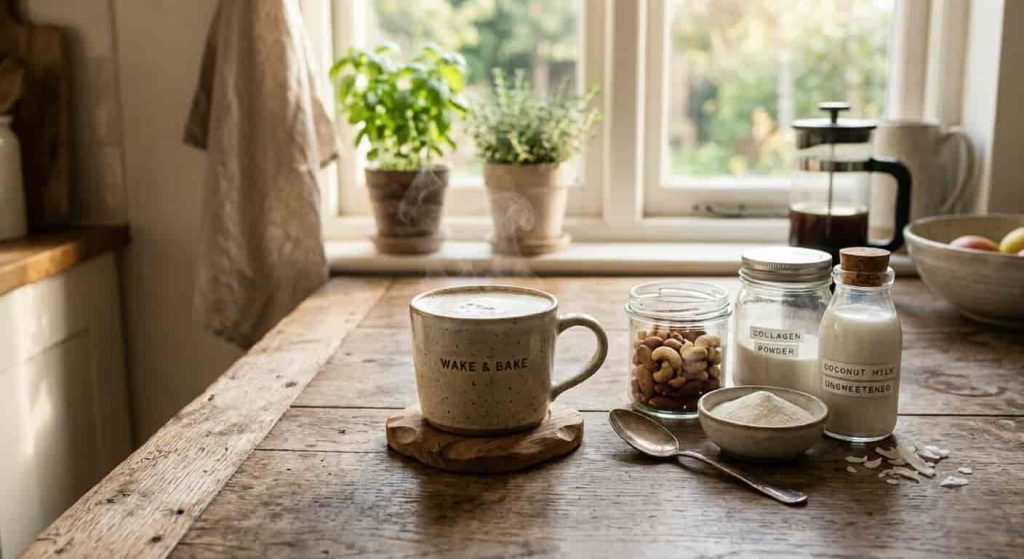
Full-fat coconut milk gives coffee that rich, velvety feel people miss when ditching cream. It’s naturally thick, slightly sweet, and works beautifully in hot drinks.
And unlike sugary coffee creamers, it doesn’t trigger huge insulin spikes.
Even better? Coconut contains medium-chain triglycerides, commonly called MCTs.
Research suggests MCTs may slightly increase thermogenesis, which is basically your body burning more energy to produce heat. It’s not magic fat-burning fairy dust. Let’s stay realistic. But compared to empty creamers loaded with sugar, it’s definitely a smarter direction.
Why Coconut Milk Works So Well
A few reasons:
- Creamy consistency
- Naturally dairy-free
- Contains healthy fats
- Lower calorie option than heavy cream
- Helps keep coffee satisfying
Some people even prefer the taste after a week or two.
The key is choosing unsweetened canned coconut milk instead of the watered-down refrigerated versions.
Those carton versions? Often disappointing.
Best Way to Use It
Shake the can first.
Then blend about 1–2 tablespoons into hot coffee using a frother or blender. The texture becomes café-level smooth.
A tiny pinch of cinnamon helps too.
Actually, cinnamon plus coconut milk tastes suspiciously like dessert.
Without the sugar bomb.

Homemade Cashew Cream: The Most Luxurious Dairy-Free Swap
Cashews are weirdly magical.
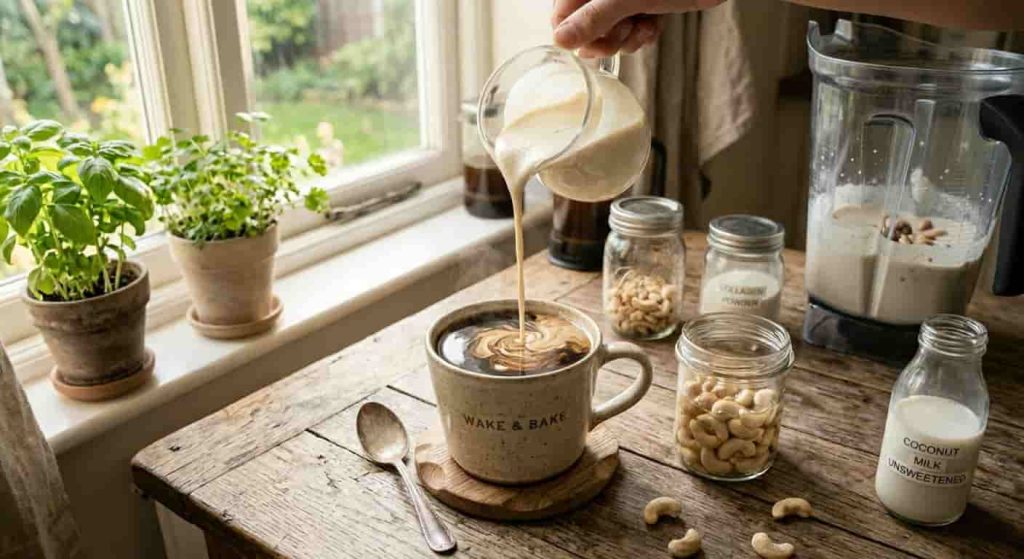
When blended properly, they create a texture that feels almost identical to real cream. Thick. Smooth. Slightly buttery.
No joke, this is one of the best low calorie heavy cream substitutes for keto-style coffee if you still want richness without relying entirely on dairy.
And the nutritional profile of cashew cream is surprisingly balanced compared to processed creamers.
How to Make Cashew Cream
It’s easier than people think.
You only need:
- Raw cashews
- Water
- Blender
That’s it.
Soak the cashews overnight or boil them for 15 minutes if you’re impatient like me.
Then blend:
- 1 cup soaked cashews
- ¾ cup water
Blend until silky smooth.
Store it in the fridge for around 4–5 days.
Why It’s Better Than Store-Bought Creamers
Most commercial creamers are packed with:
- Cane sugar
- Maltodextrin
- Artificial flavors
- Cheap oils
- Thickeners
And maltodextrin deserves special attention here because its glycemic index can actually be higher than table sugar.
That means some “fat-free” creamers spike blood sugar harder than desserts.
Wild, right?
Homemade cashew cream avoids all that nonsense.
You control everything.
And honestly, the flavor feels cleaner too.
A Tiny Trick for Better Coffee Texture
Want café-style thickness without calories exploding?
Mix:
- Unsweetened almond milk
- Tiny pinch of xanthan gum
Seriously. Just a tiny pinch.
Too much turns coffee into pudding, which is… an experience.
But done correctly, this becomes one of the smartest plant-based thickening agents for coffee because it creates body without needing cream or sugar.
Baristas quietly use tricks like this all the time.
Functional Superfood Alternatives That Do More Than Just “Cream” Your Coffee
Some coffee add-ins only change texture.
Others actually change how you feel afterward.
That’s the interesting part.
A few years ago, most people only cared whether coffee tasted good. Now? People want their morning cup to help with energy, appetite control, blood sugar stability, and even protein intake.
Honestly, I don’t think that’s a bad thing.
If you’re already drinking coffee daily, it makes sense to turn it into something a little more useful.
That’s where functional cream alternatives come in.
Grass-Fed Collagen Peptides: The Protein Upgrade
This one surprised me the first time I tried it.
I expected weird texture. Weird flavor. Maybe something chalky.
Instead? Good collagen disappears almost completely into hot coffee.
No strong taste.
No gritty mess.
Just smoother coffee with extra protein.
And when it comes to collagen creamer benefits, appetite control is the real star here.
Why Protein in Coffee Changes Everything
Heavy cream adds mostly fat.
Collagen adds protein.
That difference matters because protein tends to affect fullness hormones differently than fat alone. Research suggests around 10 grams of collagen protein may help reduce ghrelin — the hunger hormone — for several hours.
Translation?
You stay full longer.
That’s huge for people who snack constantly before lunch.
I noticed this myself during busy mornings. Coffee with collagen kept me surprisingly satisfied compared to coffee with flavored creamers, which somehow made me hungrier an hour later.
What Makes Collagen Better Than Sugary Creamers
Many “healthy” creamers are basically candy in disguise.
Flip the container around and you’ll often find:
- Cane sugar
- Corn syrup solids
- Maltodextrin
- Artificial flavors
- Hydrogenated oils
Some even market themselves as “light” or “fat-free,” which sounds healthy until your blood sugar shoots up mid-morning and you’re suddenly craving pastries.
Collagen avoids that roller coaster.
Best Way to Use Collagen in Coffee
A simple combo works best:
- 1 scoop grass-fed collagen peptides
- Fresh hot coffee
- Splash of almond or coconut milk
- Cinnamon or cocoa powder
Blend or froth it.
The texture becomes surprisingly creamy.
Not identical to heavy cream. But close enough that most people stop missing it after a week.
What to Look For When Buying
Keep it simple.
Look for:
- Grass-fed sourcing
- Unflavored version
- No added sugars
- Minimal ingredients
That’s it.
You don’t need neon-colored “birthday cake latte collagen” with seventeen additives.
Your coffee deserves better.
Grass-Fed Butter or Ghee: The Famous Bulletproof-Style Method
Alright. Let’s talk about the controversial one.
Butter coffee.
Some people swear by it. Others think it sounds horrifying.
Truthfully? It depends on your goals.
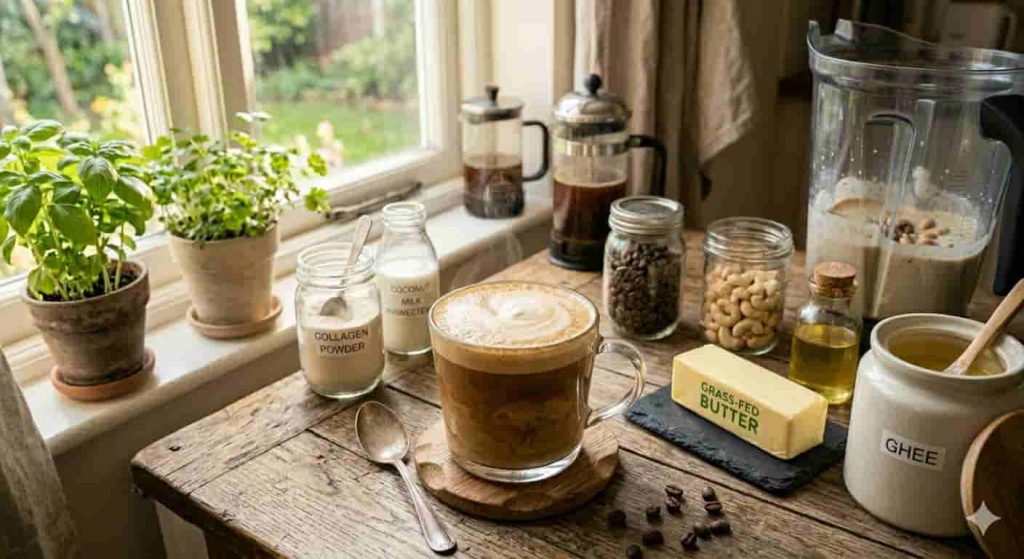
Blending grass-fed butter or ghee into coffee creates a thick, frothy drink that delivers long-lasting energy. Fans love it because it can reduce hunger and help avoid blood sugar crashes.
And yes, it tastes richer than you’d expect.
Almost latte-like.
The Difference Between Butter Coffee and Heavy Cream
At first glance, they sound similar nutritionally because both contain fat.
But there’s a subtle difference.
Butter coffee is usually consumed intentionally as a meal replacement or energy-focused drink, while heavy cream often gets mindlessly poured into multiple cups throughout the day.
That behavioral difference matters.
When people use butter strategically, they often eat less later.
When people casually dump heavy cream into everything? Calories pile up quietly.
Why Ghee Is Sometimes Better
Ghee is clarified butter.
That means most milk solids are removed.
For people sensitive to dairy proteins, ghee can sometimes feel easier on digestion while still providing that rich texture.
Plus, it blends beautifully into coffee.
But Here’s the Catch
This isn’t automatically a weight-loss miracle.
A tablespoon of butter still contains calories. Quite a few, actually.
So if your breakfast already includes eggs, toast, smoothies, and snacks, adding butter coffee on top may backfire.
The trick is context.
Used strategically? It can help appetite control.
Used carelessly? It becomes liquid calories wearing a wellness costume.
MCT Oil vs Heavy Cream in Coffee
This debate shows up everywhere.
And honestly, both sides exaggerate things.
MCT oil gets absorbed quickly and may provide faster energy because medium-chain fats are metabolized differently from long-chain fats.
Heavy cream is slower, richer, and more calorie-dense.
If your goal is pure satiety with fewer carbs, MCT-based coffee often wins. If your goal is maximum indulgence, heavy cream usually tastes better.
Personally? I think combining tiny amounts works best.
A little coconut milk.
Small scoop collagen.
Half teaspoon MCT oil.
Balanced. Creamy. Not absurdly calorie-heavy.
That’s the sweet spot.
Store-Bought vs Homemade Creamers: What Actually Matters
The front label lies sometimes.
There. I said it.
Words like:
- Natural
- Healthy
- Keto-friendly
- Skinny
- Plant-based
…don’t automatically mean a product supports weight loss.
Some creamers are basically ultra-processed chemistry experiments pretending to be wellness products.
And the worst offenders? Often the fat-free ones.
Why “Fat-Free” Creamers Can Be Worse for Weight Loss
When companies remove fat, they usually replace it with something else to keep flavor and texture appealing.
Usually sugar.
Or starches.
Or industrial fillers.
One common ingredient is maltodextrin, which has an extremely high glycemic index — sometimes even higher than regular table sugar.
That means it can spike insulin fast.
And insulin spikes matter because they often increase hunger, cravings, and energy crashes later.
Ever had a sweet coffee creamer and felt starving two hours later?
That’s not random.
Ingredients Worth Avoiding
When scanning labels, watch for:
- Maltodextrin
- Cane sugar
- Corn syrup solids
- Artificial sweeteners in huge amounts
- Hydrogenated oils
- Carrageenan if it bothers your digestion
Now, to be fair, carrageenan isn’t universally “bad.” The science is mixed. Some people tolerate it fine. Others report stomach irritation.
I usually tell people to pay attention to their own body instead of blindly following internet fear trends.
If a creamer makes you bloated or sluggish, move on.
Simple.
The Best Store-Bought Options Usually Share These Traits
The healthier choices tend to have:
- Short ingredient lists
- Unsweetened formulas
- Minimal gums or fillers
- Healthy fats instead of sugar
- Real food ingredients
You want a creamer that supports your coffee — not one that turns it into melted ice cream.
Homemade Still Wins Most of the Time
I’ll be honest.
Homemade options usually taste fresher.
They also let you control sweetness and thickness without weird additives.
Even a quick blend of:
- Almond milk
- Cashew cream
- Cinnamon
- Vanilla extract
…can outperform expensive bottled creamers.
And your stomach often notices the difference.
How to Transition Without Hating Your Coffee
This is where people fail.
They go from ultra-creamy sugary coffee straight to black coffee overnight and immediately decide healthy coffee is punishment.
No wonder it doesn’t last.
You need a transition strategy.
The “Step-Down” Method Actually Works
Instead of removing heavy cream instantly, reduce it gradually.
Week one:
- 75% heavy cream
- 25% lighter alternative
Week two:
- Half and half
Week three:
- Mostly almond, coconut, or cashew milk
Your taste buds adapt surprisingly fast.
After a few weeks, old creamers can start tasting oddly heavy and overly rich.
I didn’t believe this until it happened to me.
Now some commercial creamers taste like melted frosting.
Natural Sweeteners Help More Than People Think
Sometimes people aren’t addicted to cream.
They’re attached to sweetness.
That’s important.
Using natural sweeteners strategically can help bridge the gap while reducing calories.
Popular choices include:
- Stevia
- Monk fruit
- Small amounts of honey
- Cinnamon for perceived sweetness
Monk fruit tends to taste smoother in coffee, at least in my opinion.
Stevia can become bitter if overused.
Tiny amounts work best.
Flavor Pairings That Make Healthier Coffee Taste Better
A few additions completely change the experience:
- Cinnamon + coconut milk
- Cocoa powder + almond milk
- Vanilla extract + cashew cream
- Sea salt + collagen coffee
That tiny pinch of sea salt sounds strange, but it softens bitterness beautifully.
Baristas know this trick well.
Quick Comparison of the Best Substitutes for Heavy Cream in Coffee for Weight Loss
Here’s the simple breakdown:
Best for Lowest Calories
- Unsweetened almond milk
Best for Creamiest Texture
- Homemade cashew cream
Best Keto-Friendly Choice
- Full-fat coconut milk
Best for Appetite Control
- Collagen peptides
Best for Sustained Energy
- Butter or ghee coffee
Best Overall Balance
- Coconut milk + collagen combo
That last combination is honestly hard to beat.
Creamy. Filling. Lower in calories than heavy cream-heavy coffee. And it actually feels satisfying instead of watery.
Final Thoughts
You don’t need to ruin your coffee to lose weight.
That’s probably the biggest takeaway here.
The goal isn’t punishment.
The goal is smarter choices.
Heavy cream can absolutely fit into some lifestyles. But for many people, it becomes one of those sneaky daily habits that quietly adds hundreds of calories without delivering much fullness in return.
The better approach?
Prioritize protein.
Use healthy fats strategically.
Avoid sugar-loaded creamers pretending to be “healthy.”
And pay attention to how your body actually feels.
If you only try one substitute, start with full-fat coconut milk. It hits the best balance of flavor, texture, satisfaction, and versatility.
Then experiment from there.
Your perfect coffee setup probably won’t look exactly like someone else’s. And honestly, that’s fine.
Coffee is personal.
Weight loss is too.
FAQs
What is the healthiest substitute for heavy cream in coffee?
Unsweetened coconut milk and homemade cashew cream are two of the healthiest options because they provide creaminess without excessive sugar or calories.
Is almond milk good in coffee for weight loss?
Yes. Unsweetened almond milk is extremely low in calories and works well for people trying to reduce overall calorie intake.
Does collagen coffee help with weight loss?
Collagen itself doesn’t directly burn fat, but its protein content may support appetite control and help reduce snacking.
Are non-dairy creamers healthier than heavy cream?
Some are. Many are not. Always check labels carefully because certain non-dairy creamers contain added sugars, syrups, and fillers.
Can I still drink creamy coffee while in a calorie deficit?
Absolutely. The key is choosing smarter ingredients and being mindful of portions instead of pouring heavy cream freely.
Read More Article: The Ultimate Apple Crumble Recipe: A Cozy, Irresistible Classic You’ll Actually Master
Please wait to go to the next post: 30 seconds
Go to Next Post