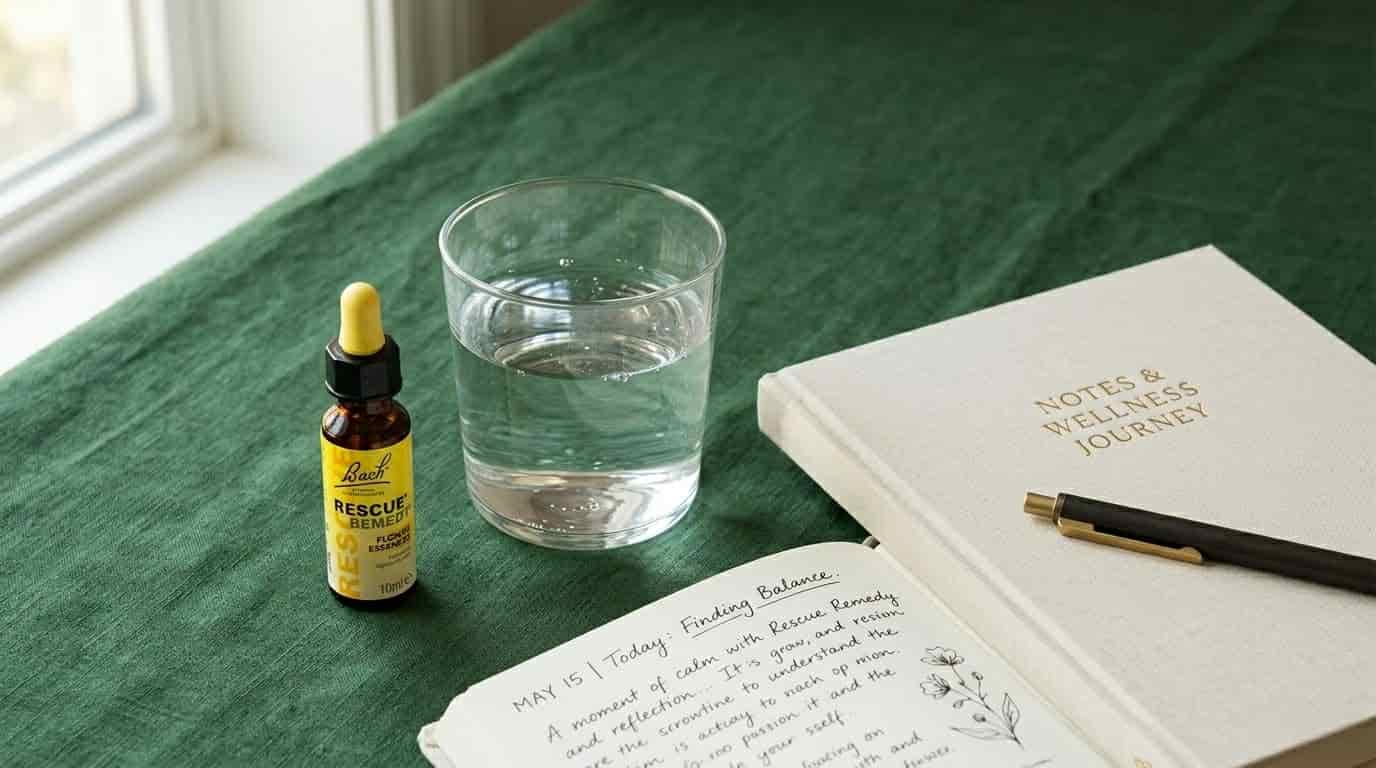
There are days when the mind doesn’t just feel busy. It feels loud.
Your chest tightens. Your thoughts race. Even small things feel weirdly dramatic. A phone call. A meeting. A long drive. A barking dog at 2 a.m. We’ve all had that moment where the nervous system seems to grab the steering wheel and say, “Nope, I’m in charge now.”
That’s where rescue remedy usually enters the chat.
If you’ve seen it in a health shop, in a friend’s handbag, or sitting beside a yoga mat, you might’ve wondered what it actually is. Is it herbal? Is it hype? Is it the same as essential oils? And why do people swear by it for everything from stage fright to travel nerves to rescue remedy for dogs during thunderstorms?
Here’s the deal.
Rescue remedy sits in that interesting little corner of wellness where science, ritual, emotion, and personal experience all bump into each other. Some people treat it like a tiny emotional first-aid kit. Others think the effects are mostly placebo. I think the most honest approach is to be curious, not cynical.
Because even when something is gentle, it can still matter.
And when life feels jagged, gentle is underrated.
What Is Rescue Remedy, Really?
At first glance, rescue remedy looks like a single herbal product.
It isn’t.
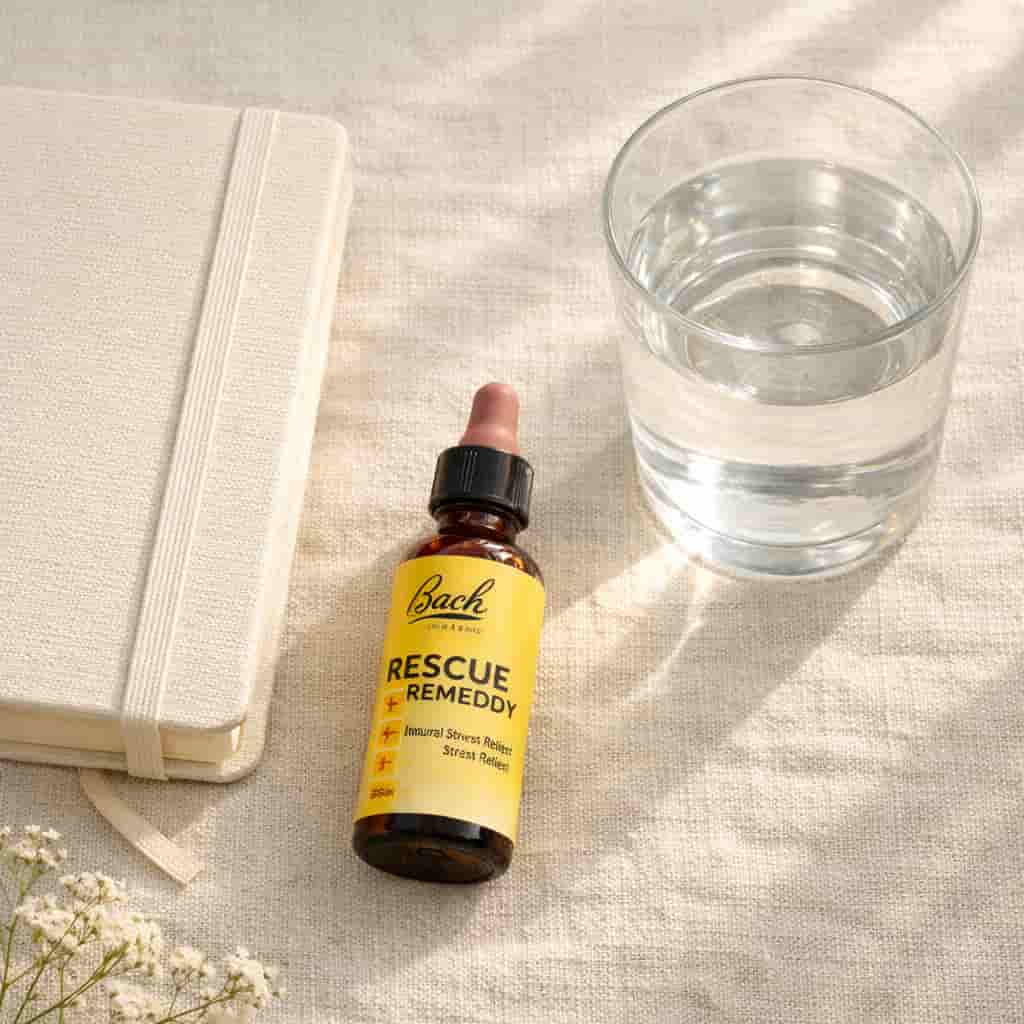
It’s actually a blend of five Bach flower essences. That’s why you’ll also hear people call it flowers of bach rescue remedy or flower bach rescue remedy. Same basic idea. Different wording.
The short version
Bach flower remedies are liquid preparations made from flowers in water, usually preserved with alcohol such as brandy.
They’re not essential oils.
They’re not pharmaceutical drugs.
And they’re not used because of measurable plant chemicals in the usual sense.
That last bit matters.
It works differently from herbs or medicine
If you take peppermint tea, you’re getting actual compounds from peppermint.
If you take ibuprofen, you’re getting a clearly defined active ingredient.
With rescue remedy, the claim is different. The essences are highly diluted, and supporters believe they carry the energetic imprint of the flower rather than a conventional pharmacological dose.
That’s why the product is generally placed under complementary wellness, not primary medical treatment.
Why this blend became so popular
Part of the appeal is that it doesn’t aim to “fix your whole life.”
It’s more specific than that.
The classic blend is designed for moments of emotional overload, panic, shock, tension, or that awful feeling of being mentally scattered. In plain English, it’s marketed for the moments when your brain feels like five tabs are playing music at once.
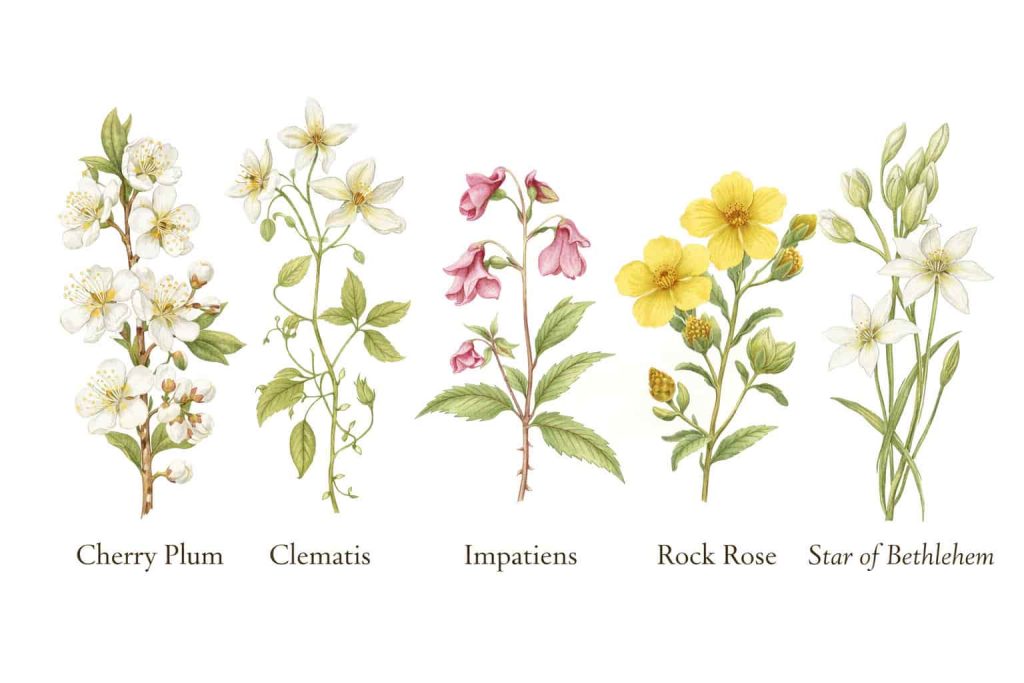
The five flowers inside rescue remedy
Each essence is linked to a specific emotional state.
Rock Rose
Traditionally associated with terror or panic.
The goal? More courage. More steadiness. Less internal chaos.
Impatiens
Used for irritability, tension, and that snapping feeling when everything and everyone gets on your nerves.
I know that mood. Not proud of it. Very familiar with it.
Clematis
This one is often linked to feeling spacey, lightheaded, or mentally “checked out.”
It’s supposed to support grounding and focus.
Star of Bethlehem
Often described as the comfort essence.
It’s commonly associated with emotional shock, distress, or the after-effect of upsetting news.
Cherry Plum
Used for fear of losing control.
Not in a dramatic movie way. More in the very human way. The “I can’t keep it together today” way.
Why people say the blend feels balanced
This is probably why rescue remedies rescue so many wellness conversations. The formula isn’t built around one mood. It tries to address several stress responses at once.
That’s a smart design, at least on paper.
Because panic doesn’t always show up the same way.
Sometimes you freeze.
Sometimes you fidget.
Sometimes you dissociate.
Sometimes you feel one awkward inch away from tears in a grocery store for no clear reason.
Common forms you’ll see
You’ll usually find rescue remedy in a few versions:
- Drops
- Spray
- Pastilles
- Cream
The cream is interesting because some versions include Crab Apple, which is considered a cleansing essence in Bach practice.
Practitioners sometimes use that version for skin comfort, but also for what they describe as emotional “reset” moments after travel, stress, or a toxic interaction.
Yes, that sounds a bit woo-woo.
And yet, people use it.
Does Rescue Remedy Actually Work?
This is where things get more interesting.
And a little messy.
If you want a neat, black-and-white answer, you probably won’t love this section. But if you want the truth, this is the part that matters most.
What the science says
The scientific community generally treats rescue remedy as a complementary therapy, not a stand-alone medical treatment.
That distinction is important.
It means it may be used alongside healthy coping strategies, but it shouldn’t replace proper care for anxiety disorders, trauma, panic attacks, or other medical concerns.
A study that caught attention
One double-blind crossover trial published in BMC Complementary and Alternative Medicine reported that rescue remedy appeared to influence cardiac autonomic balance.
In simpler language, participants showed signs of increased parasympathetic activity, which is the body’s “rest and digest” mode, and decreased sympathetic activity, the classic “fight or flight” response.
That sounds promising.
It really does.
The placebo debate is real
Now for the other side.
Larger reviews and meta-analyses on Bach flower remedies have often found that the overall effects are not convincingly stronger than placebo. That’s why critics argue that any benefit from rescue remedy may come from expectation, ritual, or belief rather than the liquid itself.
And honestly? That’s not a ridiculous question.
Because the formula is so diluted that it doesn’t act like a normal drug. There’s no conventional active ingredient doing heavy chemical lifting the way a painkiller does.
So does placebo mean “fake”?
Not exactly.
That’s where people get too smug, too fast.
If a ritual helps someone slow their breathing, focus their attention, and feel emotionally safer in a stressful moment, the lived experience can still feel very real. The mechanism may be debated. The relief may still matter.
That doesn’t mean wild claims should get a free pass.
It just means human beings are more complicated than lab summaries.
When rescue remedy may feel most useful
From both practitioner stories and user habits, rescue remedy is often used in moments like these:
Short bursts of stress
Think:
- before public speaking
- before exams
- after upsetting news
- during travel nerves
- before dental visits
Emotional shock moments
Some people reach for it right after a sudden fright, argument, near-miss, or stressful phone call.
The idea isn’t that it erases the event.
It’s that it may help the nervous system not spiral quite so hard.
Support for pets
This is where searches for rescue remedy for dogs, canine rescue remedy, and rescue remedy for cats come in. Holistic pet owners and some integrative practitioners use it during storms, fireworks, grooming, travel, or adoption transitions.
That said, pet care deserves common sense.
If an animal has severe anxiety, isn’t eating, is hiding constantly, or shows signs of illness, don’t rely on a flower essence alone. A vet should be part of the plan.
What I think people get wrong
A lot of people assume rescue remedy has to be either miracle magic or total nonsense.
I don’t buy either extreme.
I think it makes more sense to view it as a low-intensity emotional support tool. Not a cure. Not a sedative. Not a replacement for therapy, sleep, safety, or medical care.
Just a gentle nudge.
And sometimes, on a very jagged day, a gentle nudge is enough to help you get through the next ten minutes without falling apart.
How to Use Rescue Remedy Without Overthinking It
A lot of people buy rescue remedy, stare at the label for a week, and then forget it in a drawer.
I get it.
Wellness products can feel weirdly ceremonial. Like you need a perfect mood, the right playlist, and a crystal bowl nearby. You don’t.
The appeal of rescue remedy is actually the opposite. It’s simple.
The standard way most people use it
The classic method is basic:
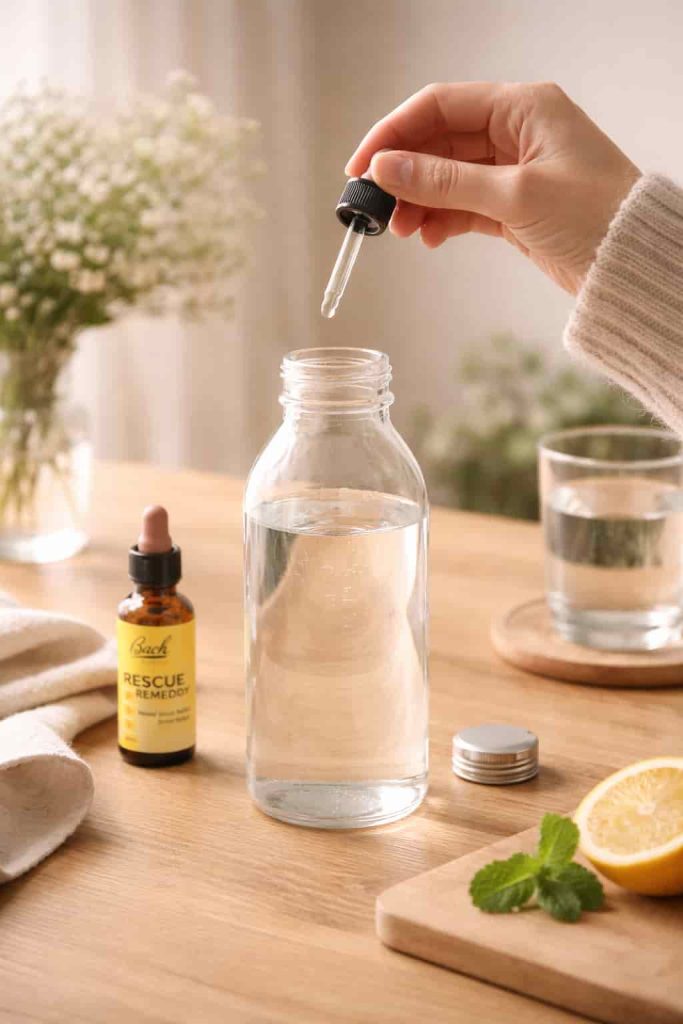
- Put four drops on the tongue
- Or add four drops to water
- Use it in moments of stress, tension, or emotional overload
That’s the usual entry point.
Nothing fancy.
And honestly, for a lot of people, that’s enough.
The “sipping method” for longer stressful days
This is one of those little expert tips that doesn’t get talked about enough.
Instead of taking one quick dose and calling it a day, some practitioners suggest adding four drops of rescue remedy to a water bottle and sipping it slowly across the day. That approach is often used during prolonged pressure, like exam week, travel days, legal stress, or a rough work season.
Why do people like this method?
Because stress isn’t always one dramatic event.
Sometimes it’s a drip.
A message. Another message. One more email. A delayed flight. A family problem. A weird silence from someone you love. By 3 p.m., your shoulders are basically earrings.
The sipping method fits that kind of day better.
When this approach may feel useful
- During a long work presentation cycle
- In the week before exams
- On travel days
- During emotionally messy family visits
- While waiting through uncertain news
It’s less “emergency drop” and more “steadying background support.”
Spray, pastilles, and the “I forgot my bottle” crowd
Not everyone likes droppers.
Fair enough.
Some people prefer the spray because it’s fast and portable. It’s popular for public-speaking nerves or those moments when your stomach flips before a social event.
Pastilles are more convenient too, especially if you’re already the kind of person who keeps gum, lip balm, and receipts from 2024 in the same bag pocket.
The point is not the format.
It’s the ritual.
And for some people, rituals matter more than they’d ever admit out loud.
Can you use rescue remedy on pulse points?
Yes, some practitioners do.
If someone is in shock, can’t swallow, or is simply too distressed to take drops normally, the liquid is sometimes rubbed onto pulse points like:
- wrists
- temples
- behind the ears
- lips
This is mentioned as a practical trick in complementary care circles, especially in acute emotional moments.
Now, to be crystal clear, that doesn’t make it emergency medicine.
If someone has chest pain, trouble breathing, faints, or is in real crisis, get proper medical help. First. Always.
But as a supportive calming ritual? People do use it that way.
My honest take
Topical use probably appeals because it creates a pause.
And sometimes the pause is the point.
You touch the skin. You breathe. You orient yourself. You come back into the room a little.
That may not sound dramatic.
It can still help.
The Hidden Tips Most People Never Hear About
This is the part that wellness insiders love.
Not because it’s secret. It’s not.
It just tends to get passed around in practitioner conversations, not on the front of the box.
The rescue cream trick
There’s also a Rescue Cream version, and this matters because it often includes a sixth Bach essence: Crab Apple.
Crab Apple is traditionally seen as a cleansing remedy.
That’s why some practitioners use the cream for more than dry skin or surface irritation. They also describe it as useful after emotionally “dirty” experiences. A toxic interaction. A horrible flight. A draining room. One of those days that leaves you feeling spiritually sticky.
I know that sounds dramatic.
Still, I understand the appeal.
Sometimes you don’t want a grand healing journey. You just want to wash the emotional residue off your Tuesday.
Places people commonly apply the cream
- hands
- wrists
- temples
- neck
- elbows or dry patches
It’s often about frequency, not quantity
This is one of the biggest misunderstandings around rescue remedy.
People assume more must be better.
That’s not how Bach practitioners describe it.
Because the remedy is viewed as vibrational or energetic, the idea is that frequency matters more than volume. In other words, taking half the bottle in one dramatic moment isn’t considered more effective than taking the standard amount calmly and repeatedly when needed.
That leads us nicely into myth-busting, which this topic badly needs.
Rescue Remedy Myths That Need to Retire
Wellness spaces can be helpful.
They can also be gloriously confused.
So let’s clear the air.
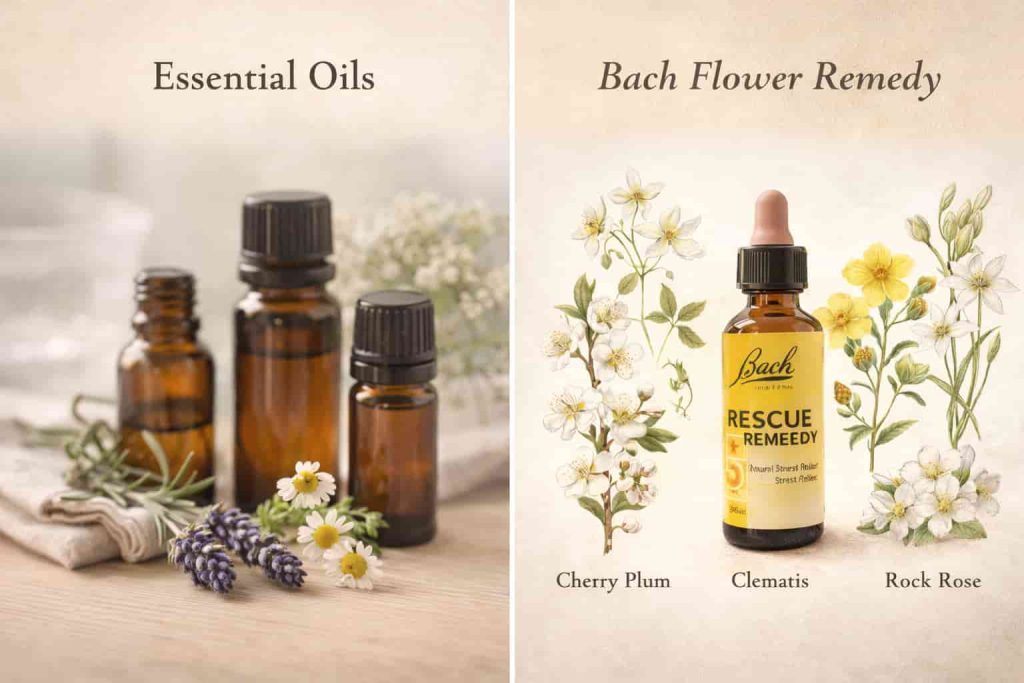
Myth 1: Rescue remedy is the same as essential oils
Nope.
Not even close.
Here’s the real difference
Essential oils contain the physical aromatic compounds of a plant.
Flower essences like flowers of bach rescue remedy are prepared differently and are used based on the idea of an energetic imprint rather than scent chemistry.
That means they belong to different traditions entirely. One sits closer to aromatherapy. The other belongs to flower essence practice.
If you’ve ever wondered why flower bach rescue remedy doesn’t smell like a spa candle, that’s why.
Myth 2: You can overdose on it
In the usual toxicology sense, Bach flower practitioners say no, because the remedy is highly diluted and not acting like a conventional drug.
But let’s keep this sensible.
Most liquid versions use alcohol as a preservative, often brandy. So while the essence itself isn’t treated like a standard medication, the alcohol content still exists and matters for some people, including children, people avoiding alcohol, or those with specific medical or religious concerns.
That’s why labels matter.
And common sense matters even more.
Better question than “Can I overdose?”
Ask this instead:
- Is this the alcohol-free version?
- Does it fit my needs?
- Am I using this as support, not as a substitute for care?
That’s the more useful conversation.
Myth 3: It treats physical illness
This is where people get carried away.
Rescue remedy is not a cure for physical disease.
It’s used as an emotional support tool.
That distinction is non-negotiable.
Can a calmer state help the body cope better? Sure. Stress affects everything from sleep to digestion to tension levels. But that is not the same thing as saying a flower essence treats infection, injury, depression, or chronic illness.
It doesn’t.
And pretending otherwise helps nobody.
Myth 4: If it works, the science must fully prove it
Not necessarily.
Some people feel a clear benefit.
Some don’t.
The research picture is mixed. One small study suggested changes in autonomic nervous system balance, while larger reviews have often leaned toward placebo-level effects overall. Both of those things can be true in the same conversation.
That’s why I think the healthiest stance is this:
Use curiosity.
Use discernment.
Skip the cult energy.
Real-Life Moments Where Rescue Remedy Shows Up
This is where the product gets more relatable.
Because most people don’t care about categories. They care about moments.
The shaky moments.
The “please let me get through this without embarrassing myself” moments.
Stage fright and performance nerves
One example from your brief involved a professional violinist who struggled with severe hand tremors before performances. She reportedly found the rescue remedy spray helpful about 30 minutes before going on stage, describing it as grounding rather than sedating. The idea was that it helped her stay present instead of mentally drifting away from the pressure.
That makes sense to me.
Performance anxiety often isn’t just fear.
It’s disconnection.
You leave your body a little. Your hands don’t feel like your hands. Your brain gets ahead of the moment. If a ritual helps pull you back into yourself, that can feel huge.
Good times people often try it
- before interviews
- before public speaking
- before a first date
- before a recital or audition
- before hard conversations
The “bad news buffer”
Another use case that comes up again and again is emotional shock.
A car accident.
A sudden breakup.
A terrible phone call.
Unexpected loss.
Practitioners often describe rescue remedy as a kind of buffer in these moments. Not something that removes grief or pain, but something meant to help prevent the nervous system from getting so flooded that the person can’t function at all. That may help them handle the next practical step with a little more clarity.
I actually think this framing is one of the most reasonable ones.
Not cure.
Not erasure.
Just a small cushion between a person and total emotional overload.
The post-travel “everything feels wrong” moment
This one is less clinical and more painfully human.
You’ve been on planes for too long.
You’re dry. Irritable. Weirdly sad. Your skin feels stretched. Your brain is in three time zones at once. You had one airport sandwich and a suspicious coffee.
That’s the kind of moment some people reach for Rescue Cream or rescue remedy drops.
Will it solve jet lag?
No.
Could the ritual make you feel slightly more like a person again?
Honestly, maybe.
And sometimes “slightly more like a person again” is enough for one day.
Rescue Remedy for Dogs, Cats, and Other Creatures
Now let’s talk about the pet side, because searches for rescue remedy for dogs, canine rescue remedy, and rescue remedy for cats are incredibly common.
And for good reason.
If humans get fried by loud noises and abrupt change, pets definitely do.
Why people use rescue remedy for dogs
Holistic pet owners often use rescue remedy for dogs during:
- thunderstorms
- fireworks
- car rides
- vet visits
- grooming appointments
- moving house
- adoption transitions
One case in your brief described a newly adopted Greyhound who froze in fear and wouldn’t enter the house. Rescue Remedy was reportedly added to water and used topically while positive reinforcement training continued, with the idea that it lowered the dog’s fear threshold enough for learning to begin.
That’s an important detail.
The remedy was not the whole plan.
Training still mattered.
Environment still mattered.
Patience definitely mattered.
That’s the right mindset for pets
Think support, not solution.
Canine rescue remedy is not a magic shortcut
I really want to underline this.
If your dog is panicking, trembling, hiding, growling from fear, destroying doors, refusing food, or having repeated distress episodes, don’t put all your hope in a bottle.
A vet or veterinary behaviorist may be needed.
Canine rescue remedy may be part of a gentle routine for some owners, but severe anxiety deserves proper evaluation.
Rescue remedy for cats can be trickier
Cats are their own emotional nation.
They don’t fill out forms. They don’t explain themselves. They just stare at you from under a bed and judge your life choices.
People use rescue remedy for cats for travel stress, home changes, new pets, loud events, or recovery from startling experiences. The challenge is administration. Cats are less interested in “helpful wellness rituals” and more interested in not being touched.
Gentler ways owners may try it
- diluted in water
- rubbed very lightly on fur-free areas if tolerated
- used alongside calm routines and safe hiding spaces
Again, not a replacement for veterinary care.
Especially not if your cat stops eating, hides for long periods, or shows signs of pain.
What about plants?
Yes, people even use it for plants.
That sounds delightfully eccentric, but it’s part of the folklore around Bach remedies. The brief notes that some holistic users apply it for recently repotted or moved plants, treating it as support after “shock.”
Do I think your fern needs emotional counseling?
Probably not.
Would I judge you for trying it after transplant stress?
Absolutely not.
How to Choose a Rescue Remedy Product That Actually Fits Your Life
This part matters more than people think.
Because the “best” version is often just the one you’ll actually use.
If you want convenience
Go for:
- spray
- pastilles
- small travel bottle
These work well for work bags, flights, and pre-event nerves.
If you want flexibility
Go for the drops.
They’re easiest for the classic method and the sipping method.
If you avoid alcohol
Look for alcohol-free formulas.
That’s especially relevant for children, people in recovery, or anyone who simply doesn’t want brandy in the mix.
If you like skincare rituals
The cream may suit you better.
Especially if stress tends to show up in your body first.
Dry hands. Tense jaw. Tight shoulders. Restless skin. The ritual of applying cream can feel grounding in a very ordinary, useful way.
My practical rule
Choose the version that matches your real life, not your fantasy life.
If you’re not the sort of person who measures tinctures into crystal glassware at sunrise, don’t buy for that version of yourself.
Buy for Tuesday-you.
The tired one.
The messy one.
The one who just needs something calming in the side pocket of a bag.
A Few Safety Notes Worth Saying Out Loud
This article is warm. But it should also be honest.
So here are the non-glamorous bits.
Rescue remedy is not emergency care
Don’t use it instead of urgent help for:
- chest pain
- fainting
- severe panic that feels unsafe
- allergic reactions
- breathing problems
- suicidal thoughts
- trauma requiring immediate care
Use real medical support.
No debate there.
Watch the alcohol base
Some versions contain brandy as a preservative.
That won’t matter to everyone.
It will matter to some people.
Read the label.
Sensitive groups should still be careful
If you’re pregnant, breastfeeding, managing a medical condition, giving it to a child, or using it with a pet, it’s sensible to check with an appropriate professional first.
That isn’t fear-mongering.
That’s just grown-up wellness.
FAQs About Rescue Remedy
Frequently Asked Questions
Is rescue remedy the same as homeopathy?
Not exactly, though people often group them together because both involve very diluted preparations.
Bach flower essences come from a different tradition and are focused on emotional states rather than standard pharmacology.
How fast does rescue remedy work?
That depends on the person and the situation.
Some people say they notice a shift within minutes in acute stress. Others feel nothing obvious at all. With gentle remedies like this, the experience is often subtle rather than dramatic.
Can I use rescue remedies rescue products every day?
Many people do use rescue remedies rescue products during stressful periods, especially through the sipping method. Still, daily long-term anxiety deserves a bigger conversation about sleep, stress load, therapy, routine, and health.
Is flower bach rescue remedy safe for kids?
Some people use child-friendly or alcohol-free versions, but it’s still wise to check the label and ask a qualified professional if you’re unsure.
Can rescue remedy for dogs replace training?
No.
That would be unfair to the dog and frustrating for you. Rescue remedy for dogs may be used as gentle support, but behavior change usually needs training, structure, and sometimes veterinary input.
Can rescue remedy for cats be put in food?
Some owners try diluted forms in water or around routines, but cats are sensitive little creatures. It’s best to go carefully, and any serious ongoing issue should involve a vet.
Does flowers of bach rescue remedy have strong scientific proof?
The evidence is mixed. There is some small-scale research suggesting autonomic effects, but broader reviews have often found results no better than placebo overall. That’s why it’s best viewed as a complementary support tool, not a proven medical treatment.
Read: Green Tree Remedy
Final Thoughts on Rescue Remedy
I think rescue remedy lasts in wellness culture for one simple reason.
It speaks to a very human need.
Not the need to be fixed overnight.
Not the need for dramatic promises.
Just the need for something gentle when the day feels too sharp.
That’s why people keep reaching for flowers of bach rescue remedy, whether it’s before a flight, after bad news, during a thunderstorm with a shaking dog, or in those private moments when the nervous system just won’t settle.
Is it a miracle?
No.
Is it medicine in the conventional sense?
Also no.
But can a small ritual, a familiar bottle, and a few quiet drops help someone feel a bit more grounded in a rough moment?
Yes. I think sometimes they can.
And that counts for something.
Especially these days.
Disclaimer: This article is for educational purposes only and isn’t medical advice, diagnosis, or treatment.